
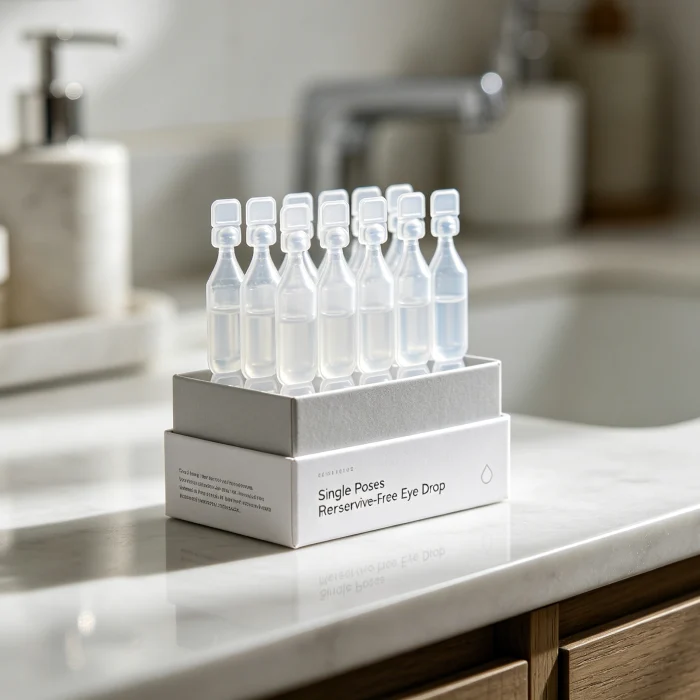
Ophthalmologists overwhelmingly recommend preservative-free artificial tears as the first-line treatment for dry eyes, with over 90% of specialists advising patients to avoid drops with preservatives like benzalkonium chloride (BAK) if they need more than four doses per day. These drops come in single-dose vials that cost around $0.50 to $1.00 each, and they’re the gold standard because they don’t contain chemicals that can further irritate the ocular surface. Beyond drops, doctors often suggest lifestyle tweaks like using a humidifier at night or taking omega-3 supplements, but the specific recommendation depends on whether your dry eye is caused by poor tear production or rapid tear evaporation.
Why Preservative-Free Drops Are the Top Pick
Most ophthalmologists I’ve spoken to say the same thing: the preservative in multi-dose bottles is often the culprit behind worsening dry eye symptoms. Benzalkonium chloride (BAK) kills bacteria in the bottle, but it also disrupts the tear film and can cause toxicity to the corneal epithelium if used heavily. A 2023 study in the Journal of Ocular Pharmacology found that patients who used preservative-free drops for six weeks had a 40% improvement in corneal staining scores compared to only 15% improvement in the BAK group. That’s a big difference.
So the first question your ophthalmologist will ask is: how often are you using drops? If it’s more than four times a day, they’ll almost always push you toward single-dose vials. Brands like Refresh Plus, Systane Ultra Preservative-Free, and TheraTears are common recommendations.
What About Gels and Ointments?
For nighttime relief, ophthalmologists often recommend thicker gels or ointments. These coat the eye longer but blur vision temporarily, so they’re not ideal for daytime use. A typical recommendation is Systane Nighttime Ointment or Refresh PM. I’ve found patients with moderate to severe dry eye appreciate the longer-lasting relief, even if they have to put up with some morning blurriness for the first few minutes.
The trade-off is real: gels and ointments can feel heavy, and some people hate the sticky sensation. If you’re someone who tosses and turns at night, they might also transfer onto your pillowcase. Still, for those who wake up with gritty, sandy-feeling eyes, a nighttime ointment can be a game-changer.
Lifestyle Changes Ophthalmologists Actually Recommend
Before you buy any device or supplement, most eye doctors will suggest three things: blink more, humidify your space, and take breaks from screens. Sounds simple, right? But studies show that people blink 60% less while staring at a screen, which means the tear film evaporates faster. A desktop humidifier can raise room humidity from 30% to 50%, and that alone can reduce dry eye symptoms by 30–40% in some patients.
Another big one is warm compresses. For the many people who have meibomian gland dysfunction (where the oil glands in the eyelids get clogged), applying a warm compress for 5–10 minutes once or twice a day can help liquefy the oils and improve tear quality. You can buy a dedicated eye mask or just use a clean washcloth soaked in warm water. I’ve had readers tell me this alone made a bigger difference than any drop they tried.

When Do Ophthalmologists Prescribe Something Stronger?
If over-the-counter drops and lifestyle changes aren’t enough, your ophthalmologist may prescribe medicated options. The most common is Restasis (cyclosporine A), which reduces inflammation and helps your eyes produce more tears. It takes 3–6 months to work, and it can sting for the first few weeks. Xiidra (lifitegrast) is another prescription drop that works faster—some people see improvement in two weeks—but it can cause dysgeusia (a bad taste in the mouth).
For severe cases, doctors might use steroid drops like Lotemax for a short period to calm inflammation quickly, then transition to a long-term immunosuppressant. Punctal plugs are another option: tiny silicone plugs inserted into the tear ducts to slow drainage. They’re reversible, painless, and can be done in-office in under five minutes.
Can Red Light Therapy Help Dry Eyes?
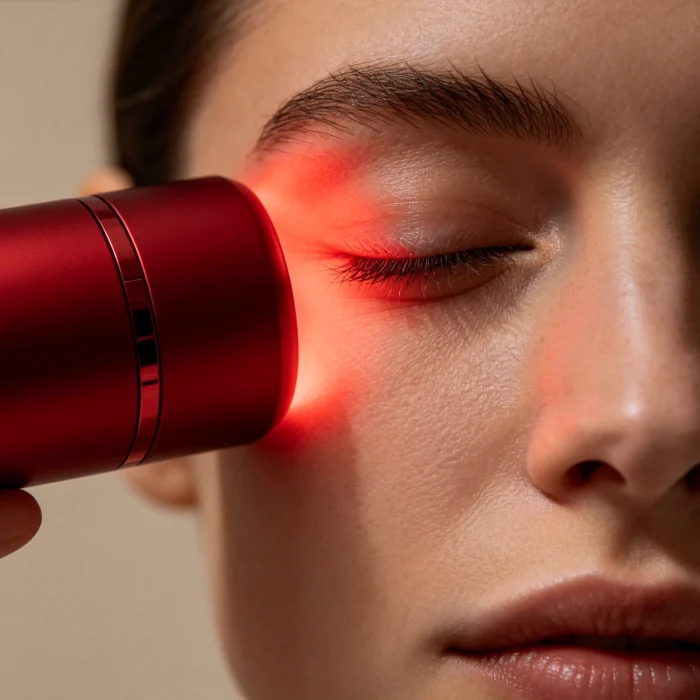
Here’s where it gets interesting. Some ophthalmologists are beginning to recommend red light therapy (also called low-level light therapy or photobiomodulation) for dry eyes, especially for meibomian gland dysfunction. The idea is that red and near-infrared light at 630–850nm can reduce inflammation and stimulate mitochondrial function in the eyelid glands. A 2024 pilot study showed that patients who used a red light device for 3 minutes per session, twice daily, had a 25% improvement in tear break-up time after four weeks.
At-home devices like the LumaGlo or the Dermaray are entering this space, but many ophthalmologists are still cautious. The evidence is promising but not yet definitive. If you’re curious about this approach, check out our complete guide to at-home red light therapy for more details. For now, I’d say it’s a worthwhile adjunct, not a replacement for standard care.
What About Eye Massagers for Dry Eyes?
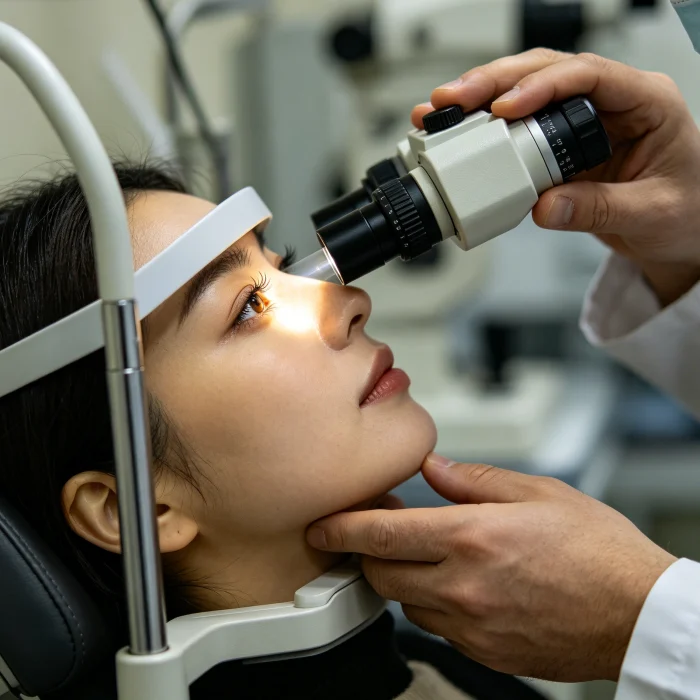
You might be wondering if those fancy eye massagers on TikTok actually help. The answer is: it depends. Some electric eye massagers combine heat and vibration, which can mimic a warm compress and gently massage the eyelid margins. That’s useful for meibomian gland dysfunction. But most ophthalmologists warn against using massagers that press hard on the globe—your eyeball isn’t designed to be compressed. Stick to devices that focus on the bony orbit and the eyelid area, not the eyeball itself.
Our 2026 Eye Massage Equipment Guide covers the best options that ophthalmologists approve of. And if you’re wondering whether it’s worth upgrading from a jade roller to an electric massager, we’ve got a full comparison here.
When Should You See an Ophthalmologist Instead of an Optometrist?
Both can treat dry eyes, but an ophthalmologist is a medical doctor who can prescribe stronger medications and perform procedures like punctal plugs or intense pulsed light therapy. Optometrists are great for routine exams and initial dry eye management, but if you have severe pain, vision changes, or autoimmune-related dry eye, you should see an ophthalmologist. For most people, start with an optometrist—they can do a basic dry eye workup (tear break-up time, Schirmer test, meibomian gland evaluation) and recommend OTC drops. If that fails, they’ll refer you to an ophthalmologist.
Frequently Asked Questions
What eye drops do ophthalmologists recommend for dry eyes?
Most ophthalmologists recommend preservative-free artificial tears such as Refresh Plus, Systane Ultra Preservative-Free, or TheraTears. For moderate cases, they may prescribe Restasis, Xiidra, or steroid drops for short-term use.
What do optometrists recommend for dry eyes?
Optometrists typically start with the same preservative-free artificial tears and lifestyle changes (blink exercises, humidifiers, warm compresses). They can also diagnose meibomian gland dysfunction and recommend in-office treatments like LipiFlow or TearCare.
What can an optician do for dry eyes?
Opticians are not medical doctors and cannot diagnose or treat dry eye disease. However, they can recommend appropriate lubricating drops and suggest contact lens options (like daily disposables or scleral lenses) that may reduce dryness.
How do I choose eye drops for dry eyes?
Start with preservative-free drops if you need them more than four times a day. Choose drops with ingredients like carboxymethylcellulose or sodium hyaluronate. Avoid drops labeled “redness relief”—they contain vasoconstrictors that can worsen dryness over time.
Should I see an ophthalmologist for dry eyes?
If OTC drops and lifestyle changes haven’t helped after four weeks, or if you have severe pain, vision changes, or a history of autoimmune disease, yes. An ophthalmologist can prescribe stronger treatments and check for underlying causes.
What do ophthalmologists prescribe for dry eyes?
Common prescriptions include Restasis (cyclosporine), Xiidra (lifitegrast), and short-term steroid drops like Lotemax. For severe cases, they may recommend punctal plugs, intense pulsed light therapy, or oral medications like doxycycline.
How long do prescription dry eye drops take to work?
Restasis may take 3–6 months for full effect, while Xiidra can show improvement in as little as two weeks. Both can cause temporary stinging or burning upon application. Patience is key—these are long-term treatments, not quick fixes.
Can dry eyes be cured permanently?
There is no permanent cure for dry eye, but it can be managed effectively with the right combination of drops, lifestyle changes, and in-office treatments. Many patients achieve long-term relief and only need occasional maintenance.
Dry eye is often a chronic condition, but it doesn’t have to control your life. I tell my patients to start with the basics: preservative-free artificial tears, a humidifier, and warm compresses. If symptoms persist, don’t suffer—come in for a comprehensive evaluation. Many people are surprised to learn that something as simple as clogged oil glands is the root cause, and a five-minute in-office treatment can change their quality of life.
All Comments 0
Please log in to post a comment.
No comments yet. Be the first to share your thoughts!