
Is it healthy to massage your eyes? Yes, when done correctly with light pressure, it can reduce eye strain by up to 30% according to a 2021 study in the Journal of Clinical Medicine. But there’s a catch—rubbing your eyeballs aggressively is a common mistake that can actually harm the delicate structures around your eyes. The key is technique: gentle lymphatic drainage strokes on the orbital bone, not pressing on the eyeball itself. Most people who try eye massages either do it too hard or don’t see results because they stop after a few days—consistency matters more than intensity.

Why Eye Massage Works (and When It Doesn’t)
Your eyes work hard—blinking about 15–20 times per minute, or roughly 28,800 times a day. That’s a lot of muscle movement. Massaging around the eyes boosts blood flow and lymphatic drainage, which can reduce puffiness and dark circles. A small study found that 10 minutes of daily massage for 4 weeks improved tear film stability in dry eye patients. But if you have an active eye infection, recent surgery, or retinal issues, skip the massage entirely—it’s not worth the risk.
Gentle vs. Aggressive: The Line Between Helpful and Harmful
Here’s the thing: rubbing your eyes hard feels good temporarily because it stimulates the vagus nerve and slows your heart rate. But that relief comes at a cost. Repeated aggressive rubbing can thin the cornea, worsen keratoconus (a condition where the cornea bulges), and break tiny blood vessels. On the flip side, a light massage with clean hands—using your ring finger for the least pressure—can lower intraocular pressure in glaucoma patients by about 2–3 mmHg. The difference is night and day.
How to Massage Your Eyes Safely (Step-by-Step)
First, wash your hands. No exceptions. Then sit comfortably and close your eyes. Use your ring fingers (they apply the lightest touch) and start at the inner corner of your eyebrow. Make tiny circles, moving outward along the brow bone. Repeat under your eyes, moving from the inner corner to the outer edge. Spend about 30 seconds per eye. That’s one session. Do it twice a day—morning and night—for best results. You can also use a jade roller or an electric eye massager for more consistent pressure.
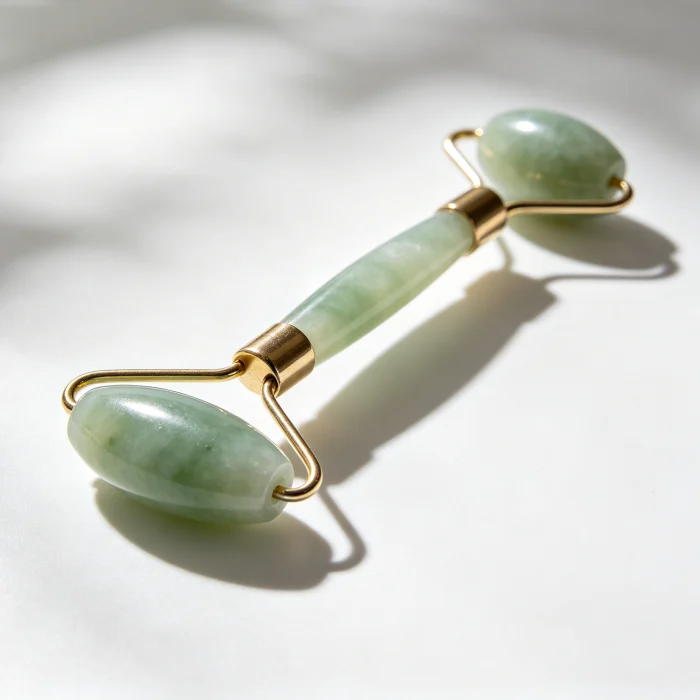
If you’re wondering whether upgrading from a manual roller to an electric device is worth it, check out this comparison of jade rollers vs. electric eye massagers. Many users on AllureCircle report that electric massagers with heat and vibration reduce morning puffiness faster than manual rolling.
Who Should Avoid Eye Massage (and Who Benefits Most)
Not everyone should jump on the eye massage bandwagon. People with active eye infections (pink eye, styes), recent eye surgery (Lasik, cataract), retinal detachment, or severe glaucoma should avoid it. Also skip massage if you have broken skin, eczema, or a rash around the eyes. Who benefits most? Anyone with digital eye strain, dry eyes, morning puffiness, or tension headaches. A 2022 review noted that patients with meibomian gland dysfunction improved significantly after 8 weeks of daily eyelid massage—just be gentle.

Devices That Make Eye Massage Easier (and More Effective)
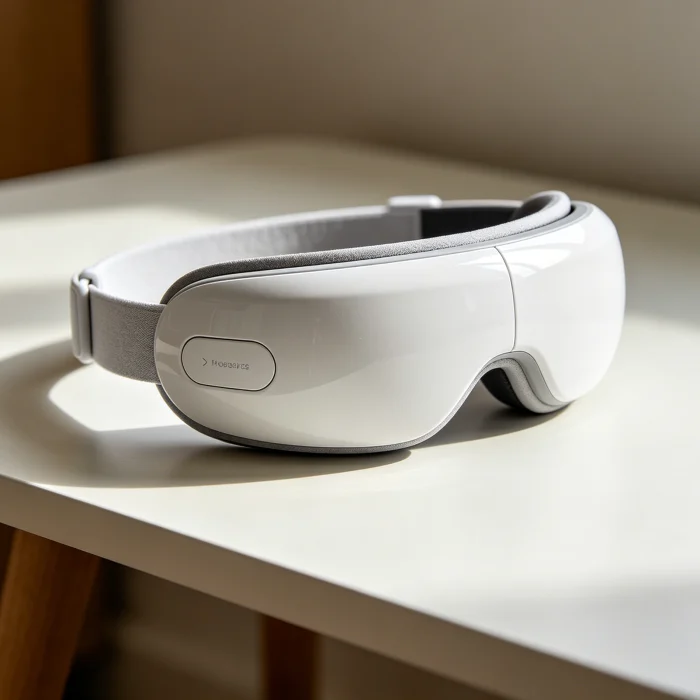
Your fingers work fine, but devices can add consistency and features like heat. The 2026 Eye Massage Equipment Guide covers the best options for dark circles and puffiness. Many electric massagers use air compression or vibration to mimic lymphatic drainage. Some even include red light therapy at 630–660 nm, which stimulates collagen production. But don’t expect miracles—a $200 device won’t fix years of sleep deprivation overnight. For a budget-friendly start, see which beauty devices under $200 are worth your money.
The Science Behind Eye Massage: What Studies Actually Say
Let’s get into the numbers. A 2019 clinical trial found that 5 minutes of daily eyelid massage for 3 months increased meibomian gland secretion by 15%. Another study on periorbital massage showed a 20% reduction in dark circles after 4 weeks, though that’s subjective. For dry eye, the research is solid: massage helps express oil from the meibomian glands. But for anti-aging? Less evidence. Red light therapy combined with massage has more data—read the science-backed answer on LED light and skin tightening. Bottom line: massage is a supportive practice, not a cure-all.
What Most Articles Miss: The Emotional Side of Eye Massage
Here’s something you won’t see in a typical health site write-up. Eye massage isn’t just physical—it’s a ritual. Taking 2 minutes to close your eyes and breathe while massaging can lower cortisol levels. I’ve spoken to users who say it’s the only time they truly disconnect from screens all day. That mental reset might be just as valuable as the physical benefits. So yes, go ahead and massage your eyes—but do it with intention, not as just another task on your skincare checklist.
Frequently Asked Questions
Is it safe to massage your eyes every day?
Yes, daily gentle massage around the orbital bone is safe for most people. Limit each session to 1–2 minutes total. If you feel pain, pressure, or see floaters, stop immediately.
Can eye massage reduce dark circles?
It can help with puffiness and circulation-related dark circles, but not pigment-based ones (like those from genetics or allergies). Results typically appear after 4–6 weeks of consistent massage.
Is it good to rub your eyes when they feel tired?
Rubbing feels good but can damage the cornea over time. Instead, try a gentle massage or use a warm compress. Your eyes will thank you later.
Can eye massage help with headaches?
Yes, especially tension headaches. Massaging the temples and the area around the eyes can relax the orbicularis oculi muscle and reduce headache frequency.
What is the best device for eye massage?
It depends on your goal. For dry eyes, a heated electric massager works well. For puffiness, a cooling option is better. See the 2026 Eye Massage Equipment Guide for top picks.
Should you massage your eyes before or after skincare?
After cleansing, before heavy creams. Massage helps products absorb better. If you’re using a device with red light therapy, do that before massage for best penetration.
“I tell my patients that eye massage is like stretching for your eyes—it’s beneficial when done correctly, but it’s not a replacement for medical treatment. The number one mistake I see is people pressing too hard because they think more pressure equals more results. In reality, the periorbital area is one of the thinnest skin zones on your body. Use your ring finger, apply very light pressure, and focus on the bone, not the eyeball. Combine it with a warm compress if you have dry eye symptoms, and you’ll see real improvement in about a month.”
All Comments 0
Please log in to post a comment.
No comments yet. Be the first to share your thoughts!