

Doctors strongly advise against rubbing your eyes because it can cause permanent damage to your cornea, worsen existing eye conditions, and accelerate skin aging around the eyes. The force from rubbing can temporarily distort the shape of your cornea (the clear front surface), leading to a condition called keratoconus where the cornea thins and bulges outward like a cone. Over time, this can require a corneal transplant. Plus, the delicate skin around your eyes is the thinnest on your body, and repeated rubbing breaks down collagen and elastin, causing premature wrinkles and sagging.
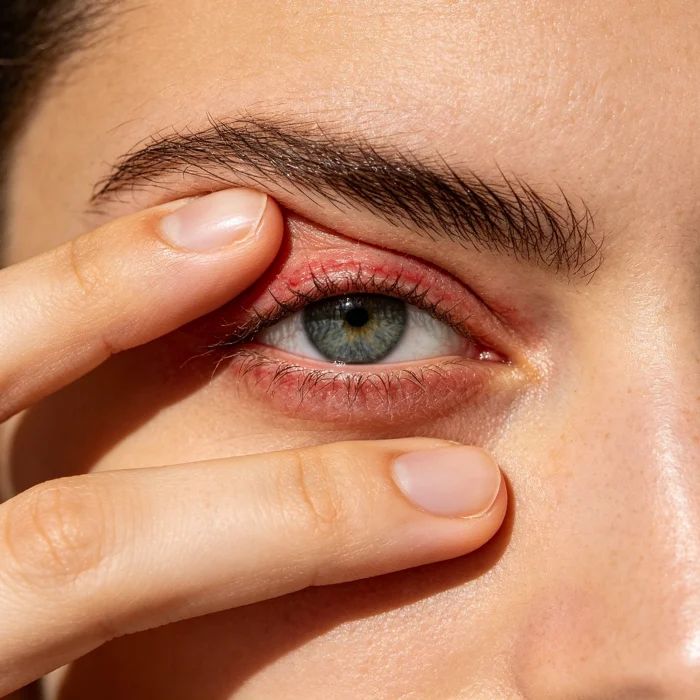
Let’s be real — when your eyes are itchy or tired, rubbing feels amazing. I get it. But that brief relief comes at a cost most people don’t realize. The risks aren’t just theoretical; they’re backed by years of ophthalmology research and countless patients who wish they’d stopped sooner.
What Happens When You Rub Your Eyes?
When you rub, you’re applying pressure — sometimes as much as 1-2 pounds per square inch — to a structure that’s filled with fluid and encased in thin tissue. This pressure momentarily raises intraocular pressure (IOP), which is especially dangerous if you have glaucoma or are at risk for it. For someone with healthy eyes, the IOP spike is temporary, but repeated rubbing can stretch the cornea and weaken its structure.
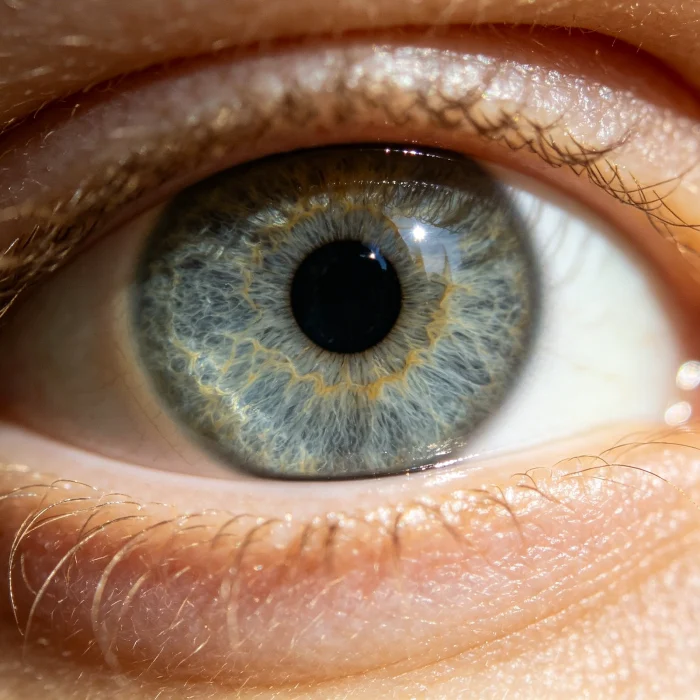
Your cornea has a natural curvature that focuses light precisely on your retina. Rub it enough, and that curvature changes. Think of it like pressing your thumb into a soft clay ball — the shape deforms. Over years, that deformation becomes permanent. That’s keratoconus, and it’s no joke. It’s the leading cause of corneal transplants in young adults.
Why Do We Have the Urge to Rub Our Eyes?
It’s instinctive. Your eyes get dry, itchy, or irritated, and your first reaction is to rub. The vagus nerve, which runs from your brain to your abdomen, gets stimulated when you rub your eyes, which slows your heart rate and triggers a calming sensation. That’s why it feels so satisfying. But that calming effect is short-lived, and the damage adds up.
Common triggers include allergies, dry eye, digital eye strain, lack of sleep, and contact lens irritation. If you’re rubbing out of habit, especially when tired or stressed, you’re not alone — but you can retrain that response.
How Rubbing Damages the Skin Around Your Eyes
The skin under your eyes is about 0.5 mm thick — roughly one-tenth the thickness of the rest of your facial skin. It has few oil glands and less collagen supporting it. Every time you rub, you’re essentially stretching that thin skin like a rubber band. Over time, it loses elasticity and wrinkles form. That’s why chronic eye rubbers often develop darker circles and fine lines earlier than non-rubbers.
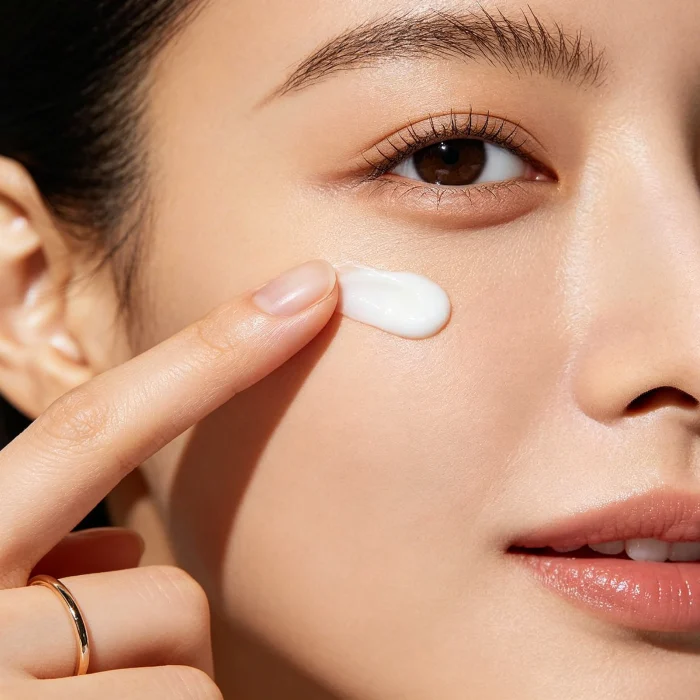
If you’re already using an eye cream or serum, rubbing can also reduce its effectiveness — you’re literally pushing the product away from where it’s supposed to sit. A better approach is to tap products gently with your ring finger, which applies the least pressure. Or, if you want something more effective, consider upgrading from a jade roller to an electric eye massager for controlled, beneficial stimulation.
Can Rubbing Make Eye Conditions Worse?
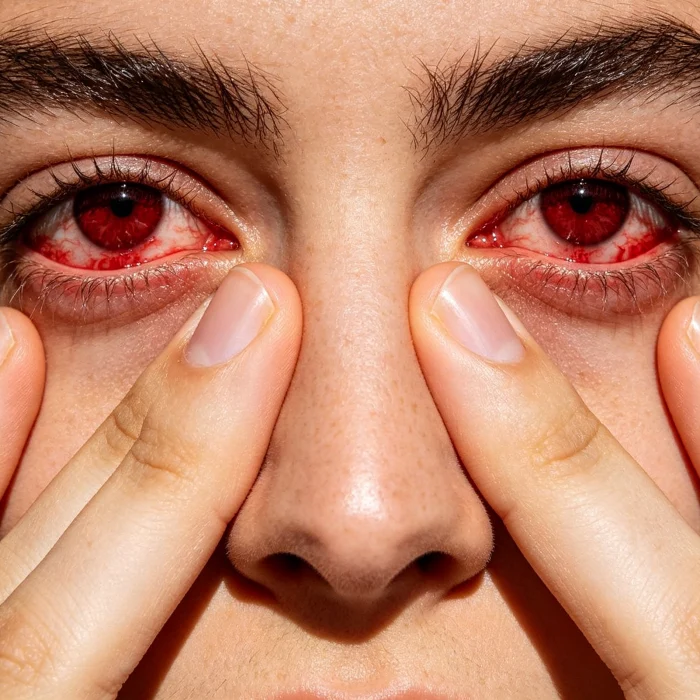
Absolutely. If you have dry eye syndrome, rubbing can break the oil glands (meibomian glands) that produce the tear film’s protective layer, making dryness worse. For people with allergies, rubbing releases more histamine from mast cells in the eyelids, creating an itch-scratch cycle that’s hard to break. And if you have high myopia (nearsightedness) or thin corneas, you’re at higher risk for retinal detachment or keratoconus.
Some studies suggest that aggressive rubbing over years can even contribute to glaucoma progression by damaging the optic nerve fibers. The evidence isn’t conclusive, but why risk it?
What to Do Instead of Rubbing Your Eyes
So what’s the alternative? Here are doctor-approved strategies that actually work:
- Cold compress or chilled eye mask: The cool temperature reduces inflammation and soothes itchiness without pressure.
- Artificial tears or antihistamine drops: If allergies are the culprit, lubricating drops can wash away allergens. For persistent itch, ask your doctor about prescription allergy drops.
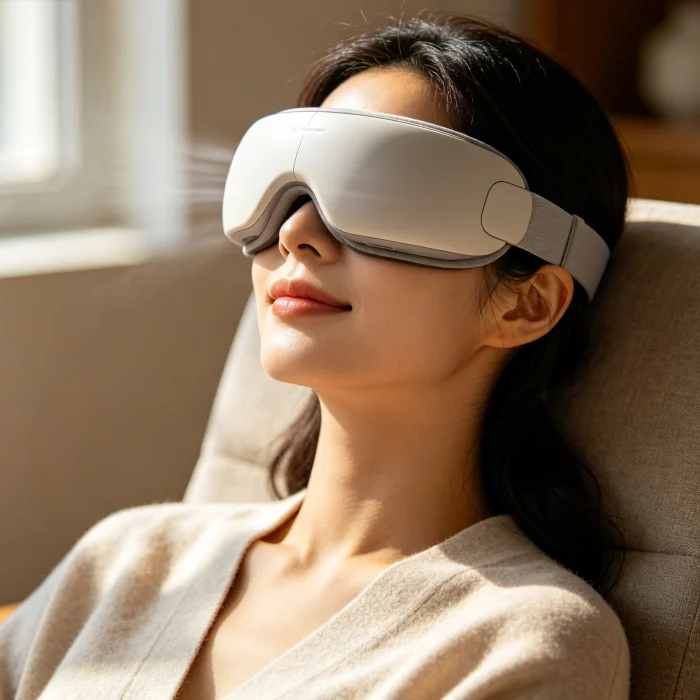
- Eye massage with a device: A gentle, controlled vibration from an eye massager can stimulate circulation and relieve tension without the damaging force of your fingers.
- Blink exercises: When your eyes are tired from screens, take a 20-second break and blink fully 10 times. This refreshes the tear film and reduces the urge to rub.
- Wash your face and eyelids: Sometimes a stray eyelash or dust particle is the cause. A gentle rinse can solve it without rubbing.
If you’re already using at-home beauty devices like LED masks or eye massagers, you’re on the right track. LED light therapy can help strengthen the skin around your eyes over time, making it more resilient. Just remember — no device replaces good habits.
When to See an Eye Doctor
If you find yourself rubbing your eyes several times a day, or if the urge is so strong you can’t resist, it’s time to see an eye care professional. Chronic itching could be a sign of blepharitis, severe allergies, or dry eye disease that requires treatment. A doctor can prescribe medicated drops or recommend punctal plugs to keep your eyes lubricated.
You should also see a doctor immediately if you experience eye pain, vision changes, or see flashes/floaters — these can be signs of retinal detachment or other emergencies. Don’t rub; get help.
Frequently Asked Questions
Is it ever okay to rub your eyes?
Very gently and rarely — like once or twice when you wake up — it’s usually not harmful. But if you find yourself rubbing regularly, you need to address the root cause (dryness, allergies, strain) because the cumulative damage is real.
Can rubbing your eyes cause permanent damage?
Yes. Over time, it can lead to keratoconus (corneal thinning), premature wrinkles, dark circles, broken blood vessels, and worsening of glaucoma or dry eye. The damage is often irreversible.
Why do I keep rubbing my eyes without realizing it?
It’s often a subconscious response to fatigue, eye strain, or allergies. The vagus nerve stimulation also makes it feel good, reinforcing the habit. Paying attention to triggers — like screen time or pollen — can help you break the cycle.
What’s the best way to stop rubbing your eyes?
Use cold compresses, preservative-free artificial tears, or antihistamine drops. If the urge is strong, distract your hands — squeeze a stress ball or wash your face. For persistent cases, see an eye doctor for targeted treatment.
Does rubbing your eyes cause dark circles?
Yes. Rubbing stretches the thin under-eye skin and can break tiny blood vessels, leading to pooling of blood and pigmentation that looks like dark circles. Over time, the skin also loses elasticity, making the circles more pronounced.
Can an eye massager help reduce the urge to rub?
Absolutely. Devices with gentle vibration or heat can soothe tired eyes and relieve tension without the harmful pressure of fingers. They also improve circulation, which may reduce puffiness and the need to rub. Check out the range of eye massage equipment for options.
What should I do if I can’t stop rubbing my eyes at night?
Try using a humidifier in your bedroom to prevent dry air from irritating your eyes. If you rub in your sleep, consider wearing soft eye masks or goggles. You can also apply a thick eye cream or ointment before bed to create a protective barrier.
I see patients every week who have been rubbing their eyes for years without realizing the toll it’s taking. The cornea is incredibly resilient, but it has limits. Once the collagen fibers start to weaken, you can’t undo that. If you catch the habit early, you can avoid problems down the road. Simple changes — like using artificial tears instead of rubbing, or switching to a gentle eye massage device — can make all the difference. Don’t wait until you need a corneal transplant to take it seriously.
All Comments 0
Please log in to post a comment.
No comments yet. Be the first to share your thoughts!