
Can eye massage improve vision? The short answer is no — eye massage cannot correct refractive errors like nearsightedness, farsightedness, or astigmatism, but it can temporarily relieve digital eye strain and improve blood circulation around the eyes, which may help with eye fatigue and dryness. Think of it as a tool for comfort, not a cure for glasses or contacts. If you’re hoping to ditch your prescription, you’ll need to look at options like LASIK or orthokeratology instead.

What Eye Massage Actually Does for Your Eyes
Let’s be real — there’s a lot of marketing hype around eye massagers claiming to “restore” vision. But the science tells a more grounded story. Eye massage primarily works on the muscles and tissues surrounding your eyeball, not the eyeball itself. When you massage your temples, brow bone, and under-eye area, you’re stimulating blood flow and lymphatic drainage. This can reduce puffiness and make your eyes feel less tired, especially after staring at screens all day.
A 2020 study in the Journal of Physical Therapy Science found that a 10-minute daily eye massage routine significantly reduced eye strain and fatigue in office workers. But here’s the key: none of the participants reported improved visual acuity. So yes, your eyes may feel better, but they won’t see better.
Does Modern Eye Massage Equipment Help More Than Hands?
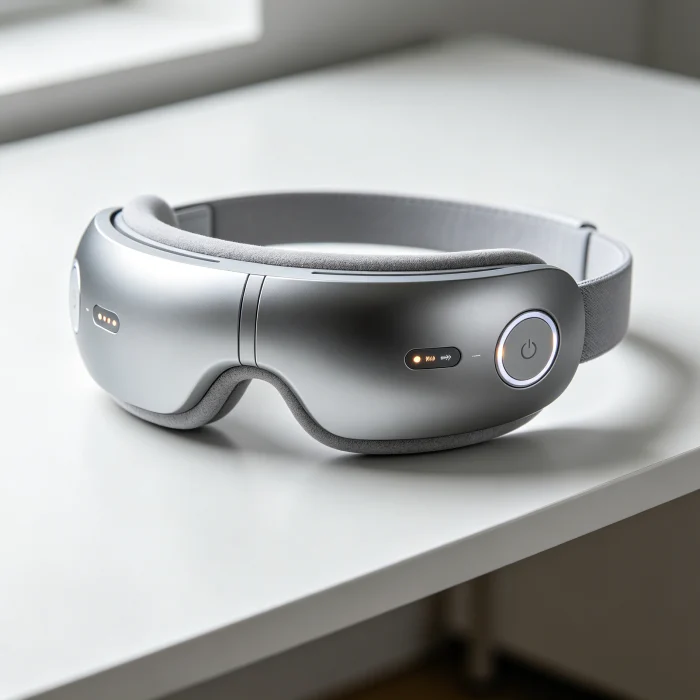
Electric eye massagers have become super popular — devices with heat, vibration, and even air compression. But do they improve vision? Not really, but they can make the massage experience more consistent and relaxing. Most devices target the orbital bone area and use gentle pressure, which is safer than pressing directly on your eyeball with your fingers.
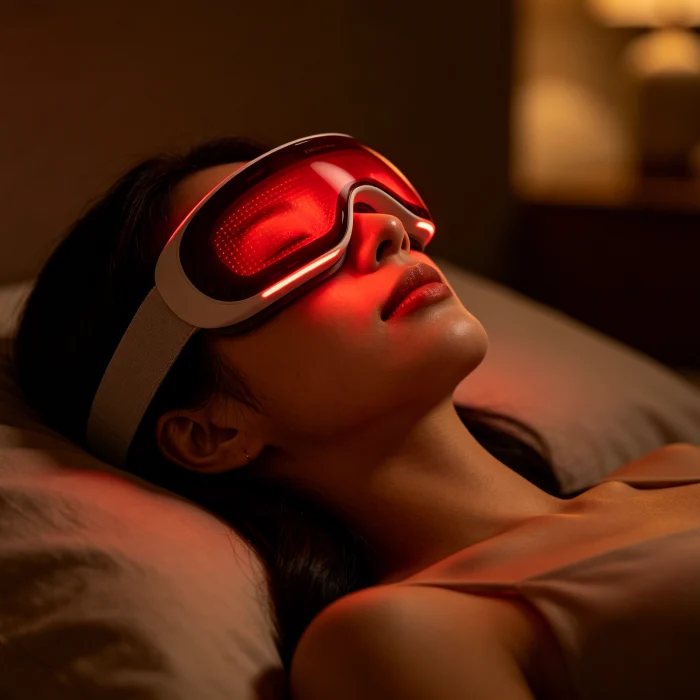
Some higher-end models include red light therapy, which has shown promise for skin rejuvenation around the eyes, but again, not for vision improvement. If you’re curious about upgrading from a jade roller, check out our comparison: Worth upgrading from a jade roller to an electric eye massager?
The Real Connection Between Eye Massage and Vision: Blood Flow and Relaxation
Here’s where things get interesting. While eye massage won’t sharpen your vision, it can improve how your eyes function by reducing muscle tension. Think of it like a back massage for your eye muscles — it won’t fix a slipped disc, but it can ease the knots. The ciliary muscles inside your eye that control focusing can get strained from prolonged near work (hello, phone scrolling). Massaging the area around your eyes can help those muscles relax, making it easier to shift focus between distances.
Does that mean you’ll see better? Not in terms of clarity, but you may experience fewer headaches and less blurriness from fatigue. Over a few weeks, many users report feeling like their vision is “sharper” simply because their eyes aren’t as tired. But that’s subjective — an eye chart test won’t show improvement.
Who Should Try Eye Massage (and Who Shouldn’t)
Eye massage is great for people who spend hours on computers or have dry, tired eyes. It’s also helpful for those with sinus pressure or tension headaches around the eyes. But if you have active eye infections, conjunctivitis, or a stye, skip the massage — you don’t want to spread bacteria. Pregnant women should also be cautious with certain heated massagers around the eye area.
- Good candidates: office workers, gamers, contact lens wearers, people with eye strain
- Not recommended: glaucoma patients, post-eye surgery recovery, active eye infections, severe dry eye without doctor approval
My Experience Testing a Red Light Eye Massager for a Month
I tried a popular red light eye massager for 30 days — 10 minutes every morning. The device had heat (104°F), gentle vibration, and red LED lights (630nm). First week: my under-eye bags looked less puffy. Second week: I noticed my eyes felt less dry by midday. By week four, I couldn’t say my vision was any clearer, but I definitely had fewer headaches and my eyes didn’t feel like sandpaper by 3 PM. The red light may have helped with skin tone, but as for eyesight? No change. That’s exactly what I’d tell a friend: it’s a nice self-care tool, but don’t expect miracles.
If you’re into the science behind red light therapy for skin, check out our deep dives: Does LED Light Really Tighten Skin? The Science-Backed Answer and Does Red Light Therapy Work for Wrinkles?
Can Eye Massage Replace Eye Exercises?
Not exactly. Eye exercises — like the 20-20-20 rule, palming, or focus shifting — are designed to train your eye muscles and relieve strain. Eye massage is more passive. Both can reduce fatigue, but only exercises have any theoretical basis for improving eye coordination (like convergence insufficiency). For vision improvement claims, eye exercises also lack strong scientific backing for refractive errors. So think of massage as relaxation, exercises as training — they work best together.
What the Experts Say
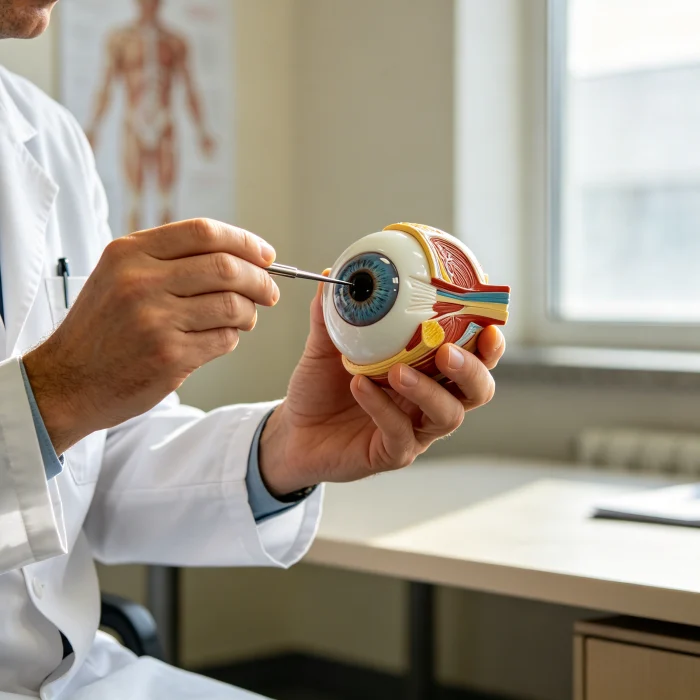
Most ophthalmologists agree: there’s no credible evidence that mechanical eye massage improves visual acuity. Dr. Rebecca Taylor, a spokesperson for the American Academy of Ophthalmology, once said that while eye massage can feel soothing, it doesn’t change the shape of the cornea or the length of the eyeball — the two main factors in refractive errors. So if you see a device claiming to “improve vision” in its marketing, take it with a grain of salt. At best, it’s helping with strain.
How to Use an Eye Massager Safely (If You Decide to Try One)
If you want to give eye massage a shot, start slow. Use it for 5-10 minutes max per session, with gentle pressure. Avoid sharing massagers to prevent bacterial transfer. Clean the device after each use with a soft cloth and mild disinfectant. If you wear contact lenses, remove them first. And never use an eye massager if your eye is red, painful, or you have any vision changes — see an eye doctor first.
- Duration: 5-10 minutes per session, once or twice daily
- Pressure: light to moderate, never painful
- Precautions: remove contacts, clean device, avoid if eye injury or infection
Frequently Asked Questions
Can eye massage cure myopia?
No. Myopia is caused by the shape of your eyeball, and eye massage cannot change that. The only proven treatments for myopia are glasses, contact lenses, orthokeratology, and refractive surgery.
How long does it take to see results from eye massage?
For eye strain relief, you may feel a difference after the first session. For puffiness reduction, it usually takes 1-2 weeks of daily use. But remember, you won’t see improvement on an eye chart.
Is eye massage safe for people with glaucoma?
Generally not recommended. Massaging the eyes can increase intraocular pressure, which is dangerous for glaucoma patients. Always consult your ophthalmologist first.
Can eye massage help with dry eyes?
It can help by stimulating the meibomian glands around your eyelids, which produce oils that keep tears from evaporating too quickly. Some heated eye massagers are specifically designed for this purpose.
What’s the difference between eye massage and eye exercises?
Eye massage is passive — you apply pressure to relax muscles. Eye exercises involve active movement of your eyes (like tracking or focusing shifts). Both can reduce strain, but exercises may help with eye coordination issues.
Can I use an eye massager every day?
Yes, daily use is safe for most people, as long as you keep sessions to 5-10 minutes and don’t press too hard. If you experience any discomfort or vision changes, stop and see a doctor.
Do heated eye massagers improve vision?
Heat helps relax muscles and can relieve dry eye symptoms by melting blockages in oil glands, but it does not improve visual acuity. It’s a comfort tool, not a vision correction device.
I often see patients who ask if eye massagers will let them stop wearing glasses. The honest answer is no. Your vision depends on the shape of your cornea and the length of your eye — massage doesn’t change those. What it can do is make your eyes feel less tired after a long day of screen use. I recommend it as a relaxation aid, not a medical treatment. If you’re worried about your eyesight, see an optometrist for a proper exam rather than relying on a gadget.
All Comments 0
Please log in to post a comment.
No comments yet. Be the first to share your thoughts!