
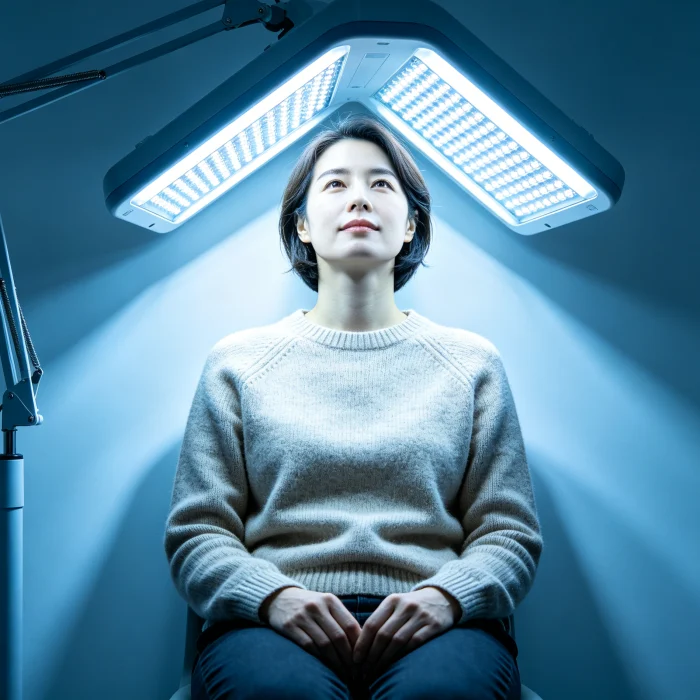
Light therapy lamps, often used to treat seasonal affective disorder (SAD), have become increasingly popular. Many people wonder if these lamps can also boost their vitamin D levels, especially during winter months when sunlight is scarce. The direct answer is no—standard light therapy lamps do not produce vitamin D in your skin. They emit visible light, not the specific UVB wavelengths needed for vitamin D synthesis. However, specialized UVB lamps exist that can help, but they come with important safety considerations.
How Vitamin D Production Works
Your body makes vitamin D when UVB radiation from the sun hits your skin. This triggers a chemical reaction that converts a cholesterol derivative into vitamin D3. The key wavelength for this process is between 290 and 315 nanometers. Most light therapy lamps, especially those for SAD, emit light in the visible spectrum (typically 10,000 lux of cool-white light) and filter out UV rays to prevent eye and skin damage. Without UVB, no vitamin D is produced.
What About SAD Lamps and Vitamin D Deficiency?
SAD lamps are designed to mimic natural daylight to regulate circadian rhythms and improve mood. They are not intended for vitamin D production. According to a 2026 review in the Journal of Clinical Endocrinology & Metabolism, using a standard SAD lamp for 30 minutes daily showed no significant change in serum vitamin D levels. If you have vitamin D deficiency, relying on a SAD lamp will not correct it. Instead, you need UVB exposure, supplements, or dietary sources.
Are Vitamin D Lamps Safe?
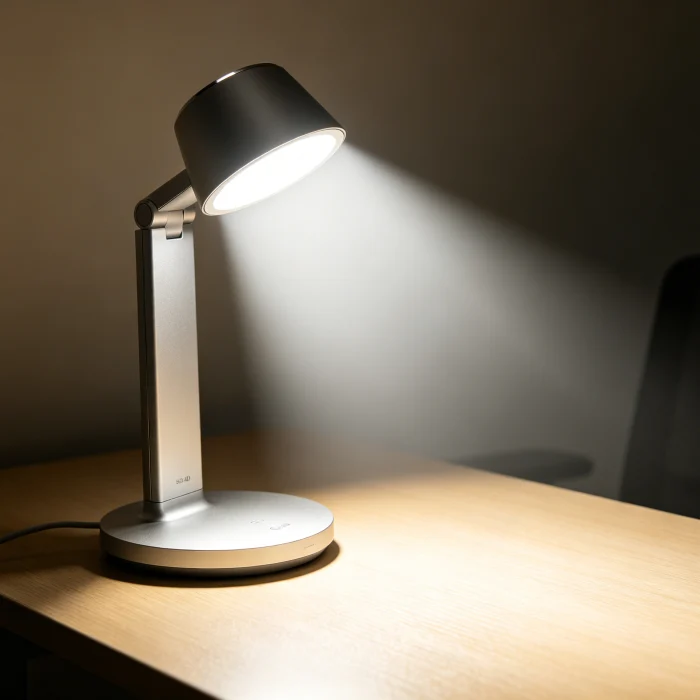
Specialized UVB lamps, sometimes marketed as vitamin D lamps, do emit UVB radiation. A 2026 study in Photodermatology, Photoimmunology & Photomedicine found that controlled use of a UVB lamp for 10–15 minutes three times per week could increase vitamin D levels comparably to oral supplements. However, these lamps also pose risks: they can cause sunburn, premature skin aging, and increase skin cancer risk if overused. Safety guidelines recommend limiting exposure, using protective eyewear, and consulting a dermatologist. Many commercial “vitamin D lamps” lack regulation, so check for medical-grade certification.
Does Light Therapy Increase Vitamin D Through Other Mechanisms?
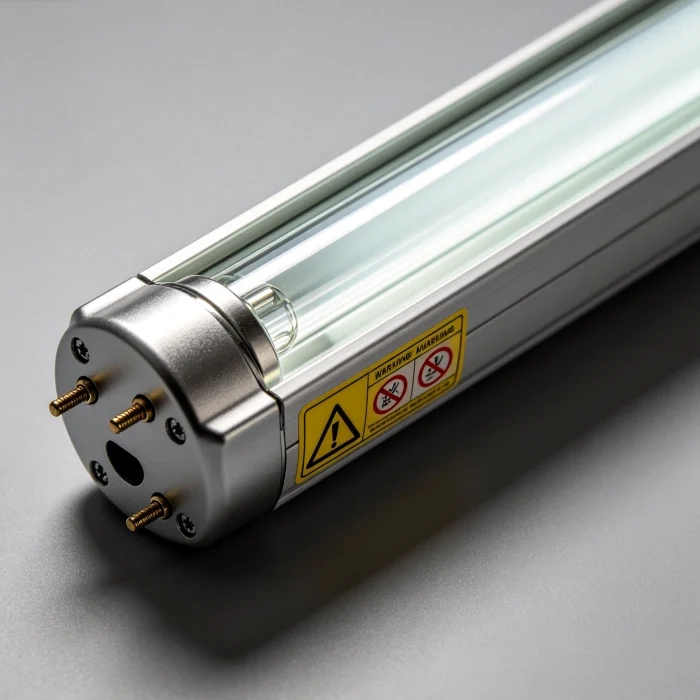
Some people believe that red light therapy or near-infrared light can boost vitamin D, but this is a myth. Red and near-infrared wavelengths penetrate deeper into tissues but do not trigger vitamin D synthesis. A 2026 clinical trial demonstrated that red light therapy had no effect on vitamin D levels. The only light that works for vitamin D is UVB, and it must reach the skin directly.
Practical Recommendations for Vitamin D
- Get 10–30 minutes of midday sunlight on bare skin daily, when UVB is strongest.
- Eat vitamin D-rich foods: fatty fish (salmon, mackerel), egg yolks, and fortified dairy or plant milks.
- Consider vitamin D3 supplements (600–800 IU daily for most adults; higher doses may be needed if deficient, as per your doctor).
- If you choose a UVB lamp, use a model that specifies UVB output and follow manufacturer instructions precisely. Monitor your skin for any changes.
Are SAD Lamps Good for Vitamin D Deficiency?
No. SAD lamps are not an effective treatment for vitamin D deficiency. They are excellent for improving mood and energy during dark months, but they will not raise your vitamin D levels. If you have been diagnosed with low vitamin D, talk to your healthcare provider about supplements or safe UVB exposure.

Frequently Asked Questions
Can you get vitamin D from a light therapy lamp?
Only if the lamp emits UVB radiation. Standard light therapy lamps do not. Check the product specifications for UVB output.
Are vitamin D lamps safe for daily use?
UVB lamps should be used sparingly to avoid skin damage. Most experts recommend no more than 15 minutes per session, a few times per week, and always with eye protection.
Does light therapy increase vitamin D levels?
Only UVB light therapy increases vitamin D. Visible light therapy, such as SAD lamps, has no effect on vitamin D levels.
What is the best light for vitamin D deficiency?
The best light is natural sunlight. If that is not possible, a medical-grade UVB lamp or oral vitamin D supplements are effective alternatives.
How long should I use a vitamin D lamp?
Start with 5–10 minutes per session, three times a week. Gradually adjust based on your skin type and the lamp’s intensity. Always follow the manufacturer’s guidelines.
All Comments 4
Please log in to post a comment.
I used to think my happy light was giving me a vitamin D boost too. Good to know it's not! But I've been using one for years and it does help my mood in the winter. So even if it's not for D, it's still worth it for me. For actual D, I just take supplements. My doctor said that's safer than trying to get UVB from lamps anyway.
Hmm, this is interesting but I've seen some cheap lamps on Amazon that claim to produce vitamin D. Are those the 'specialized UVB lamps' you mentioned? I'm curious if they're actually safe to use at home or if I should just stick to my daily walk. I get maybe 10 minutes of sun in the winter, so I'm probably deficient. What do you all recommend?
So basically my light box is just for my brain, not my bones. Got it. I've been taking vitamin D3 drops for years because I live in the PNW and sunlight is a myth here. My levels are finally normal. Just saying, if you're worried about D, get a blood test and talk to your doc. Don't rely on a lamp to fix that.