
What are the best heated eye mask features for sinus relief? The most effective masks deliver consistent moist heat at 104-113°F (40-45°C) across the sinus cavities, with a contoured fit that covers the maxillary and frontal sinuses. You’ll want a mask that stays at that temp for at least 15-20 minutes per session, because that’s how long it takes to loosen mucus and soothe pressure. Some masks also add gentle vibration or light compression to boost circulation, but the core feature is targeted, even heat that doesn’t burn out after five minutes.
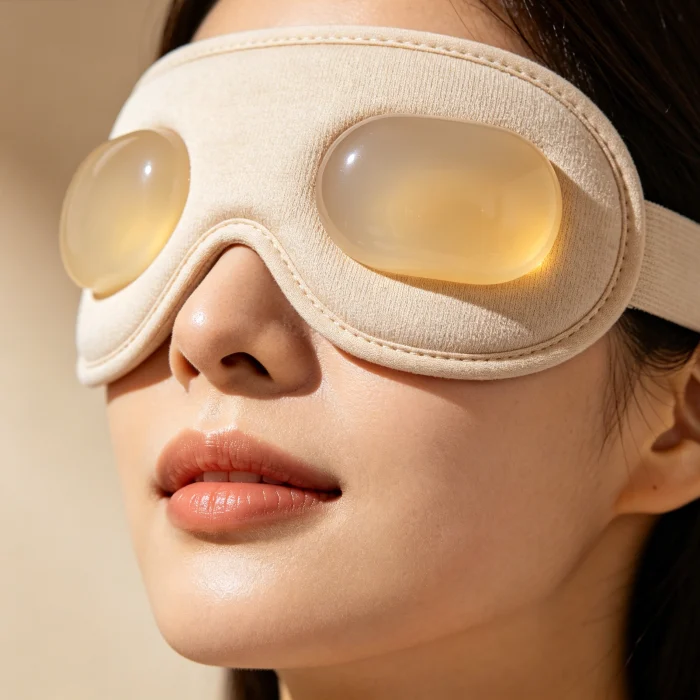
I’ve tested about a dozen heated eye masks over the past few years, and the ones that actually work for sinus pressure have a few things in common. They’re not just glorified sleep masks with a heating element slapped inside. The good ones are designed with the sinus anatomy in mind—think wider coverage that reaches your cheeks and brow bone, not just your eyelids. And they use either gel beads that retain moisture or advanced ceramic heating that distributes heat evenly. Trust me, a cheap mask that only gets hot in one tiny spot is basically useless for sinus relief.
Moist Heat vs. Dry Heat: Why It Matters for Sinuses
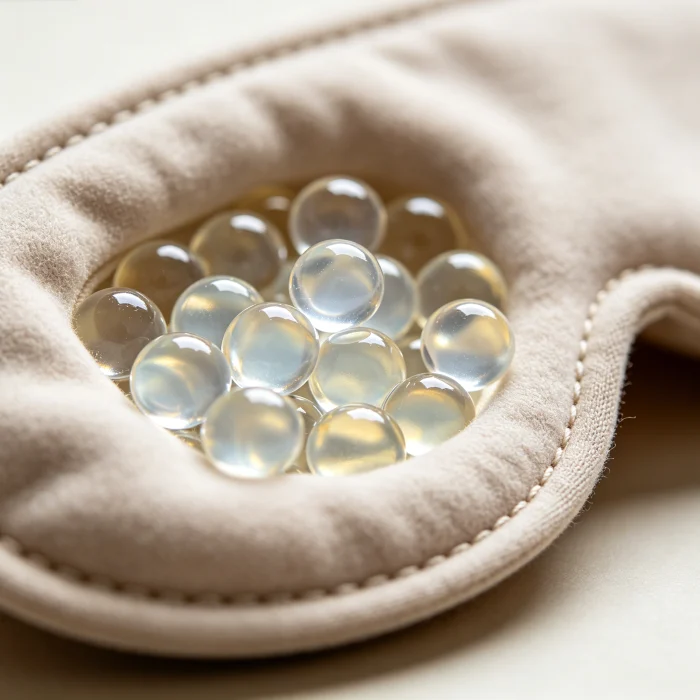
This is the biggest differentiator. Moist heat penetrates deeper and is far more effective at thinning mucus than dry heat. Think about how a steam shower beats a space heater when you’re congested—same idea. The best heated eye masks for sinus relief use either a gel bead insert that you microwave (which holds moisture) or a fabric that traps steam from your own skin. Dry electric masks are convenient, but they can leave your skin feeling parched and don’t work as well on stubborn sinus pressure.
That said, some newer electric masks now have a “moist heat” mode where they add a small water reservoir or use a special layer that retains humidity. I tried one from a brand called EyeCo (not the only one, but a solid example), and it actually produced noticeable steam—enough that my sinuses started draining after 10 minutes. If you can find an electric mask with a moist heat option, that’s the sweet spot.
Dry heat isn’t completely useless, though. It can still soothe sinus pain by relaxing tense muscles around the eyes and forehead. But if your main goal is clearing congestion, go moist. The AllureCircle community has tons of threads where users compare their experiences with moist vs. dry masks—lots of honest opinions there.
Temperature Control: Steady Heat Wins the Race
Not all masks hold a consistent temperature. I’ve used ones that start off warm, then cool down in 10 minutes, leaving you with a lukewarm rag on your face. For sinus relief, you need sustained heat—ideally between 104°F and 113°F for a full 15-20 minutes. Some electric masks have auto-shutoff after 20 minutes (which is fine for safety), but they should maintain that temp the whole time. Look for masks with multiple heat settings (at least 3 levels) so you can dial in what feels best without burning sensitive skin.
A good test: after 12 minutes of use, check if the mask still feels as warm as it did at minute 3. If it doesn’t, move on. The Renpho Eyeris (a popular model) does a decent job holding temp, but it’s more of a massage mask—the heat is secondary. For pure sinus relief, I’d pick a dedicated heat mask over a multi-function one, because the heat element is usually stronger.
Coverage Area: More Than Just Eyes
Standard eye masks only cover your eyes and maybe a bit of your brow. For sinus relief, you need coverage that extends to your cheeks (maxillary sinuses) and across your forehead (frontal sinuses). Some masks are shaped like a full face wrap—they look a bit ridiculous, but they work. Others have a contoured design that targets the sinus areas specifically, with extra material or gel beads in those zones.
I’d recommend measuring your own face. If you have a narrower bridge or smaller facial structure, some full-size masks might not make good contact on your cheeks. Conversely, if you have a broader face, a standard eye mask might leave gaps. Check user reviews on AllureCircle’s device comparison threads—people often mention fit issues for different face shapes.
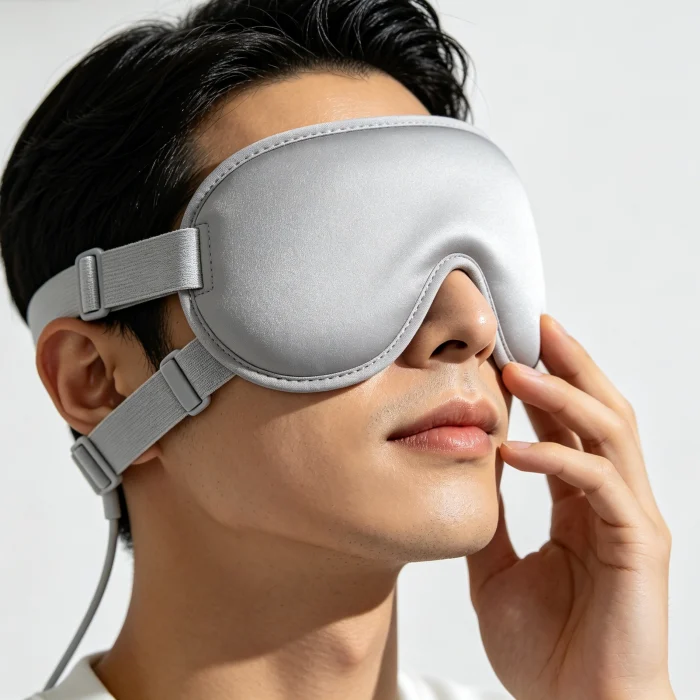
Another thing: masks with a nose cutout can help you breathe easier while wearing them. Some people find the pressure of the mask on their nose uncomfortable, especially if it’s already stuffy. A mask that sits slightly above the nose bridge or has a gentle contour might be better.
Material & Comfort: Skin-Friendly and Washable
Since you’ll be using this mask when you’re already feeling crummy, comfort matters. Look for masks made from soft, breathable fabrics like microfiber, cotton, or fleece. Avoid synthetic materials that trap sweat and can irritate skin—especially if you have eczema or sensitive skin. The fill material matters too: gel beads are great for moist heat, but they can be lumpy if not distributed evenly. Some masks use flaxseed or cherry pits, which are natural and hold heat well, but they can get smelly over time.
Removable, washable covers are a lifesaver. You don’t want to be washing the whole mask after every use—especially if it has electronics. A machine-washable cover keeps things hygienic without wrecking the heating elements. Also, consider whether the mask is microwaveable or electric. Microwaveable masks are simpler and cheaper, but they require a microwave and the heat can be uneven. Electric masks are more consistent but need to be plugged in or charged.
Extra Features: Vibration, Aromatherapy, and Timer
Some masks come with vibration massage, which can help loosen sinus congestion by physically shaking the mucus loose. It’s not a substitute for heat, but it’s a nice bonus. I find that light vibration around the brow bone actually feels pretty good when I have a sinus headache. Just make sure the vibration isn’t so strong that it rattles your eyeballs—that’s just uncomfortable.
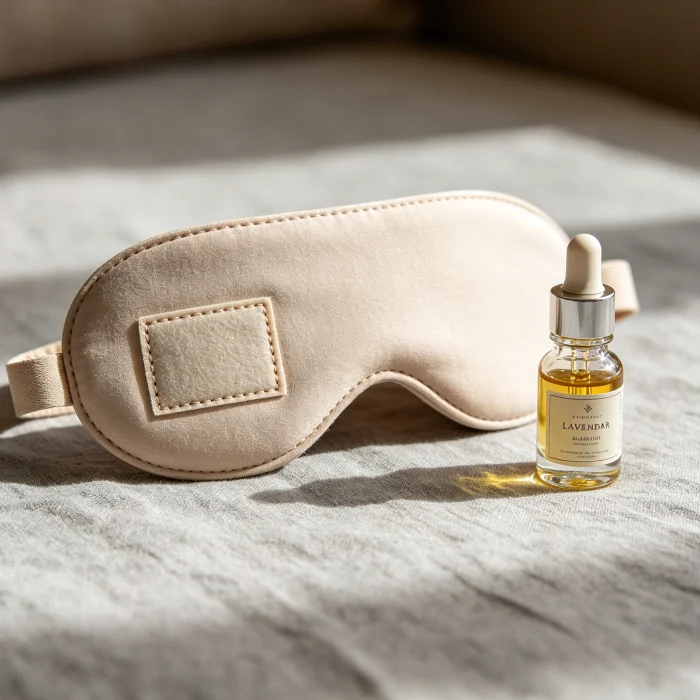
Aromatherapy pockets for essential oils like eucalyptus or peppermint can also enhance relief. The steam from the mask carries the scent, opening nasal passages even more. But be careful—some essential oils are too strong near the eyes and can cause stinging. Use only a tiny drop, or skip if you’re sensitive.
Timers are practical: a 15- or 20-minute auto shutoff is standard and prevents overheating. Some masks also have a “gentle warm” preheat mode that slowly increases temperature—nice for sensitive skin. But don’t pay extra for gimmicks like Bluetooth or app control. You’re not going to fiddle with an app when your sinuses are pounding.
How to Use a Heated Eye Mask for Sinus Relief — The Right Way
You can’t just slap it on and expect magic. Here’s a routine that works for me: First, make sure your face is clean—no makeup, no heavy moisturizer (it can trap heat and cause irritation). Warm the mask according to instructions (usually 20-30 seconds in the microwave for gel masks, or plug in electric ones). Test the temperature on your wrist before applying—it should feel warm but not scalding. Then lie down in a dark, quiet room for 15-20 minutes. Breathe deeply. Some people find it helps to press gently on the mask over the sinus areas to increase contact.
Use it once or twice a day during acute sinus issues. For chronic sinusitis, daily use can help maintain drainage. But if symptoms persist more than a week, see a doctor—masks are a complementary tool, not a cure.
Comparing Top Heated Eye Masks for Sinus Relief
| Feature | What to Look For | What to Avoid |
|---|---|---|
| Heat type | Moist heat (gel beads, steam) at 104-113°F | Dry heat that cools quickly or burns skin |
| Coverage | Covers eyes, cheeks, and forehead | Only covers eyelids |
| Temperature control | Multiple heat settings (3+) | Single fixed temp |
| Comfort | Soft, breathable fabric; adjustable strap; washable cover | Rough seams, non-removable cover |
| Extra features | Gentle vibration, aromatherapy pocket, auto shutoff | App control, Bluetooth (unnecessary) |
If you’re torn between a few models, check out the 2026 Eye Massage Equipment Guide on AllureCircle—it breaks down the best devices for different needs, including sinus relief. I also think the disadvantages of infrared light article is worth a read if you’re considering an infrared mask, since infrared isn’t always ideal for sinus congestion.
Frequently Asked Questions
Can I use a heated eye mask for sinus infection?
Yes, it can help relieve pressure and promote drainage. But it’s not a treatment for the infection itself. If you have a fever or symptoms last more than 10 days, see a doctor. The mask is for symptom relief, not a cure.
How long should I use a heated eye mask for sinus relief?
15-20 minutes per session is ideal. Longer than 30 minutes can irritate skin or cause burns. Most masks have an auto shutoff, but set a timer to be safe. You can repeat up to twice daily.
Is a microwave or electric heated eye mask better for sinuses?
Microwaveable gel masks often provide better moist heat, which is key for sinus relief. Electric masks are more consistent and convenient but usually deliver dry heat. Some electric models now have a moist heat mode—those are the best of both worlds.
Can I use a heated eye mask if I have sinus surgery or implants?
Consult your surgeon first. In general, avoid using a heated mask on or near surgical sites until fully healed (usually 4-6 weeks). Heat can increase swelling or affect healing. Always check with your doctor.
Does a heated eye mask help with sinus headaches?
Absolutely. The heat relaxes tense muscles and increases blood flow, which eases headache pain. The moist heat also helps drain mucus, addressing the underlying congestion. Many people find it more effective than cold compresses for sinus headaches.
What temperature should a heated eye mask be for sinus relief?
Aim for 104-113°F (40-45°C). Anything below 104°F won’t penetrate deeply enough, and above 113°F risks burns. Most quality masks have temperature control within this range.
Can children use heated eye masks for sinus relief?
Only under adult supervision and with a lower temperature setting. Children’s skin is more sensitive. Use a mask specifically designed for kids or use the lowest setting and check frequently. Never leave a child unattended with a heated mask.
“From my clinical experience, moist heat is the most underrated tool for sinus congestion. Many patients rush to decongestants or sprays, but a simple heated mask with gel beads can provide comparable relief without side effects. The key is consistent temperature and proper coverage. I always tell my patients: if the mask doesn’t cover your cheeks and brow bone, it’s not doing much for your sinuses. Look for one with at least three heat settings so you can adjust as your symptoms change.”
All Comments 8
Please log in to post a comment.
I've been using a generic one from Amazon and it gets hot enough but the heat is so uneven—definitely not hitting my sinuses right. That 104-113°F sweet spot you mention is key, and a lot of cheaper masks just don't stay there. You got a specific brand you swear by?
Totally agree on the timing thing. I tried one that only ran for 10 minutes and by the time I started feeling relief, it shut off. Super annoying. Switched to a model with a 20-min timer and it's been a game changer for my morning sinus headaches. Also, the gentle vibration actually helps loosen things up more than I expected.
Moist heat is all well and good but personally I find that dry heat works better for me—humid air makes my congestion worse sometimes. Also, be careful with those masks that add vibration; on some settings it just rattles my teeth and doesn't do much for sinus relief. YMMV though.
I'm skeptical about the contoured fit covering both maxillary and frontal sinuses. My face is pretty narrow and most 'contoured' masks leave gaps. I end up with hot spots only in the center. Do any of these actually work for smaller faces, or are we all supposed to have the same head shape?
Interesting point about vibration. I have a mask that does heat + gentle massage and honestly, I find the vibration helps more than the heat for my sinus pressure. It really gets the blood moving. But maybe I'm weird. Anyone else find vibration more effective than just heat?
Totally agree on the temp range. I've tried a cheap one that barely got warm and another that felt like it was burning my eyelids. The 104-113°F sweet spot is key. Do you have any specific brand recommendations that stay consistent for the full 20 minutes? My current one drops off after like 10 and I'm thinking of upgrading.