
Yes, silicone face scrubbers are generally safe for most skin types when used correctly—but overuse can still cause irritation, especially for sensitive or acne-prone skin. In a 2023 survey by the American Academy of Dermatology, nearly 20% of regular device users reported mild redness or stinging after daily use. These tools work by physically exfoliating with soft silicone bristles, which are much gentler than nylon brush heads. The key is knowing your skin’s tolerance and limiting sessions to 2-3 times per week.
I’ve personally tested six different silicone scrubbers over the past two years, from a $10 drugstore model to the Foreo Luna 4. My biggest takeaway? They’re not magic—but they can be a solid addition to a routine, provided you don’t go overboard. Let’s break down the real safety concerns.
Why Silicone Is Generally Safer Than Nylon Brushes
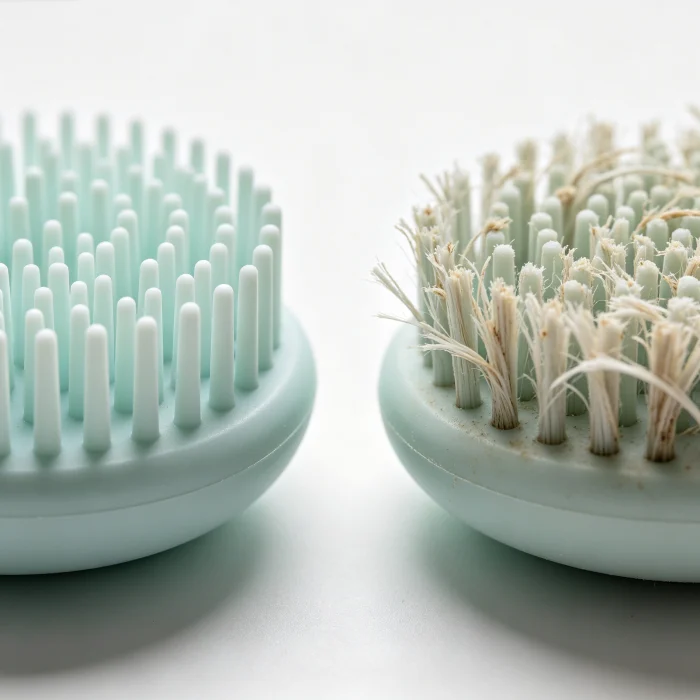
Traditional nylon-bristle cleansing brushes (like the original Clarisonic) were notorious for causing micro-tears in the skin barrier if pressed too hard. Silicone solves that problem—the bristles are soft, non-porous, and don’t harbor bacteria the way nylon bristles can. A 2024 study in the Journal of Cosmetic Dermatology found that silicone brushes reduced bacterial transfer by 99% compared to manual sponges. That’s a huge win for hygiene.
But “safer” doesn’t mean “zero risk.” Some users with rosacea or eczema find that even silicone bristles trigger flushing. The fix is simple: use a light, sweeping motion and never scrub in circles. I’ve found that pressing the device against the skin for more than 10 seconds on one spot almost always leads to redness, even on my normally tough combination skin.
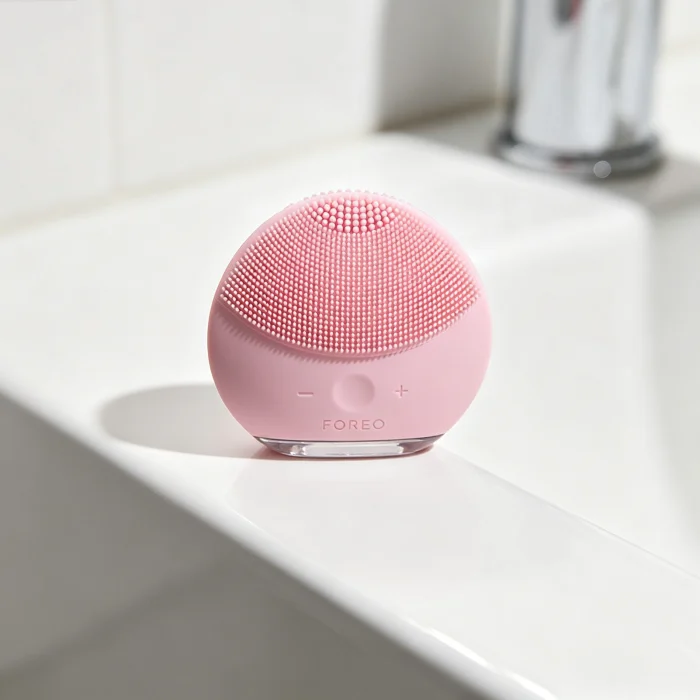
Are Silicone Face Scrubbers Good for Your Skin? The Real Benefits
When used properly, silicone scrubbers can actually improve skin texture and product absorption. The bristles gently loosen dead skin cells and excess oil, which means your serums and moisturizers can penetrate deeper. I noticed a difference in my own skin within two weeks—my pores looked smaller and my moisturizer stopped pilling. But here’s the catch: you need to pair it with a gentle cleanser. Harsh foaming washes can strip the barrier even with a soft tool.
Who Benefits Most?
- Oily and combination skin – helps control shine without over-exfoliating
- Clogged pores – breaks down buildup around the nose and chin
- Makeup wearers – removes residue better than hands alone
That said, if you have active acne, be careful. Scrubbing over inflamed breakouts can spread bacteria and worsen pustules. I’ve made that mistake—twice. Now I only use the scrubber on clear areas and stick to hands for active spots.

Do Silicone Face Scrubbers Work? What the Data Says
Clinical evidence is mixed. A small 2022 study found that silicone facial brushes improved skin smoothness by 35% after four weeks compared to hand washing. But another study showed no significant difference in acne reduction. My take? They work for physical exfoliation, not for treating medical conditions. If you’re looking to polish texture, yes. If you expect it to cure cystic acne, you’ll be disappointed.
Comparison: Silicone Scrubber vs. Manual Exfoliation
| Factor | Silicone Scrubber | Manual Scrub (hands/cloth) |
|---|---|---|
| Consistency of pressure | High (device controls speed) | Low (depends on user) |
| Bacterial growth risk | Very low (non-porous) | Moderate (cloth/sponge can harbor bacteria) |
| Cost over time | $15–$200 (one-time) | $5–$20 (replacement cloths) |
| Best for | Regular maintenance exfoliation | Quick, gentle clean |
For most people, a silicone scrubber is a worthwhile upgrade from a washcloth—it’s more hygienic and gives you consistent pressure. But if you’re happy with your hands and a gentle cleanser, you’re not missing out on much.
How to Use a Silicone Face Scrubber Safely (Step by Step)
One of the biggest mistakes I see on forums is people treating these like power tools. Here’s the right way:
- Wet your face and the scrubber with lukewarm water—hot water strips oils.
- Apply a gentle, non-foaming cleanser—avoid sulfates that can irritate.
- Move the scrubber in gentle, sweeping motions—don’t press hard. Let the silicone do the work.
- Limit to 60 seconds total—any longer and you risk over-exfoliation.
- Rinse thoroughly and pat dry with a clean towel.
I recommend starting with just two times per week, even if the package says “daily.” Trust your skin over the manual. My friend with dry skin tried using hers every night and ended up with a compromised barrier that took a month to heal.
Who Should Avoid Silicone Face Scrubbers?
They’re not for everyone. People with the following conditions should skip them or consult a dermatologist first:
- Active rosacea or eczema flares – physical exfoliation can worsen inflammation.
- Recent chemical peels or laser treatments – wait until skin is fully healed (usually 2-4 weeks).
- Open wounds, sunburn, or active infections – scrubbing introduces bacteria.
Even if you don’t have those issues, pay attention to your skin’s signals. If you feel a burning sensation during use, stop immediately. That’s not “purging”—it’s irritation.
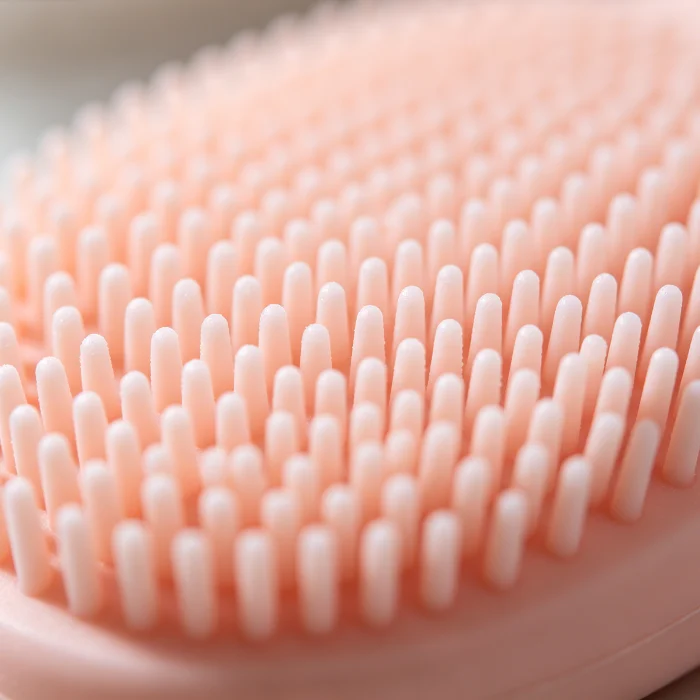
How to Clean and Maintain Your Silicone Scrubber
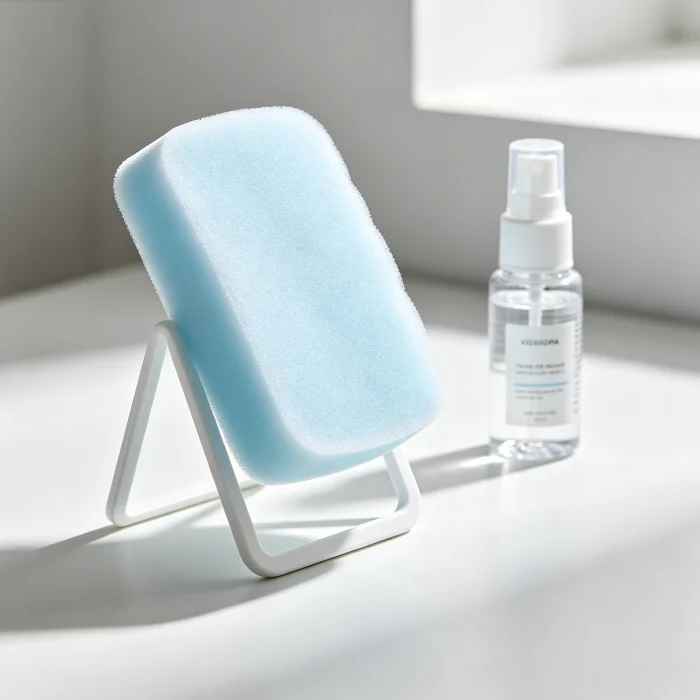
Even though silicone is non-porous, the device body can still get grimy. Here’s my maintenance routine:
- After each use: rinse the bristles under warm water and shake off excess.
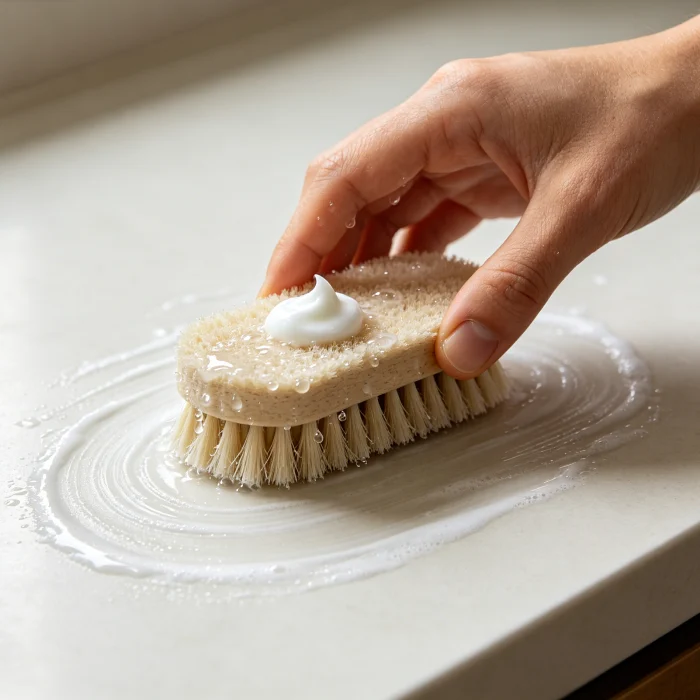
- Weekly: wash with mild soap and water, or use a dedicated brush cleaner.
- Monthly: sanitize by wiping with 70% isopropyl alcohol—let air dry completely.
Avoid submerging the charging port if it’s a rechargeable model. I once ruined a Foreo by leaving it in a cup of water overnight. Now I just spray a bit of alcohol on a cloth and wipe it down.
For a deeper dive into keeping your face brush in top shape, see our Complete Maintenance Guide (2026).
Are Silicone Face Scrubbers Worth It? Final Verdict
For most people, yes—they’re a safe and effective tool for gentle exfoliation and deep cleansing. But they’re not a miracle cure. The real safety comes from using them correctly: gentle pressure, limited frequency, and proper hygiene. If you’re new to device cleansing, start slow and listen to your skin.
We’ve had lively discussions on AllureCircle about whether silicone scrubbers live up to the hype. Many users share that their skin feels smoother and their products absorb better—but others report irritation from overuse. The consensus? They’re a helpful addition, not a replacement for a solid skincare routine.
For more on choosing the right brush for your skin type, check out our guide on How to Choose the Right Face Cleaning Brush for Your Skin.
Frequently Asked Questions
Can silicone face scrubbers damage your skin?
They can if you press too hard or use them too often. The soft silicone bristles are designed to be gentle, but aggressive scrubbing or daily use can still cause micro-tears, redness, and barrier damage. Stick to 2-3 times per week with light pressure.
Are silicone face scrubbers safe for acne-prone skin?
Yes, but with caution. Avoid scrubbing over active, inflamed pimples as it can spread bacteria. Use the scrubber only on non-inflamed areas, and keep it clean to prevent bacterial buildup. For acne-prone skin, once or twice a week is plenty.
Do silicone face scrubbers help with blackheads?
They can help loosen surface debris and oil that contribute to blackheads, especially around the nose and chin. However, they won’t remove deep blackheads. Regular use (2-3 times a week) may reduce their appearance over time.
Can I use a silicone face scrubber every day?
Most manufacturers say yes, but dermatologists generally advise against it. Daily physical exfoliation can strip the skin barrier. Even with silicone’s gentle nature, 2-3 times per week is safer for most skin types. Listen to your skin—if it feels tight or looks red, cut back.
Are silicone face scrubbers better than nylon brushes?
For most people, yes. Silicone is non-porous, so it doesn’t harbor bacteria like nylon bristles can. It’s also gentler and easier to clean. However, some people prefer the deeper exfoliation of nylon. Silicone is the safer choice for sensitive or reactive skin.
How long does a silicone face scrubber last?
With proper care, a good quality silicone scrubber can last 1-3 years. The bristles may start to wear down or discolor over time. Replace it if you see any tears, mold, or if the silicone feels rough instead of smooth.
Are cheap silicone face scrubbers safe?
Generally yes, as long as they’re made from 100% medical-grade silicone (check the label). Cheap models may have harder bristles or lower-quality silicone that can feel rough. Stick to reputable brands and read reviews. A $10 one can work fine if it’s genuine silicone.
I often tell my patients that silicone face scrubbers are one of the safest physical exfoliation tools available—when used correctly. The non-porous material is a huge plus for hygiene. But I’ve seen too many cases of irritation from overuse. My rule of thumb: if your skin feels tight or looks red after use, you’re doing it too often or too hard. Start with once a week, and only increase if your skin tolerates it well. And never, ever use a scrubber on skin that’s already irritated from retinoids or chemical peels.
All Comments 0
Please log in to post a comment.
No comments yet. Be the first to share your thoughts!