
Yes, silicone face scrubbers are generally safe for most skin types, with over 90% of dermatologists in a 2025 survey agreeing they’re gentler than nylon-bristle brushes. These tools use soft, medical-grade silicone bristles that are non-porous and hypoallergenic, which means less risk of bacterial buildup or irritation. They work by vibrating or oscillating to dislodge dirt and makeup without scrubbing your skin raw. If you’ve ever used a Foreo or a generic silicone pad, you know the feeling—it’s more like a gentle massage than a deep scrub.
But safety isn’t one-size-fits-all. How you use it, your skin type, and how often you clean it all matter. Let’s break down what the science and real users say.
What Makes Silicone Face Scrubbers Different?
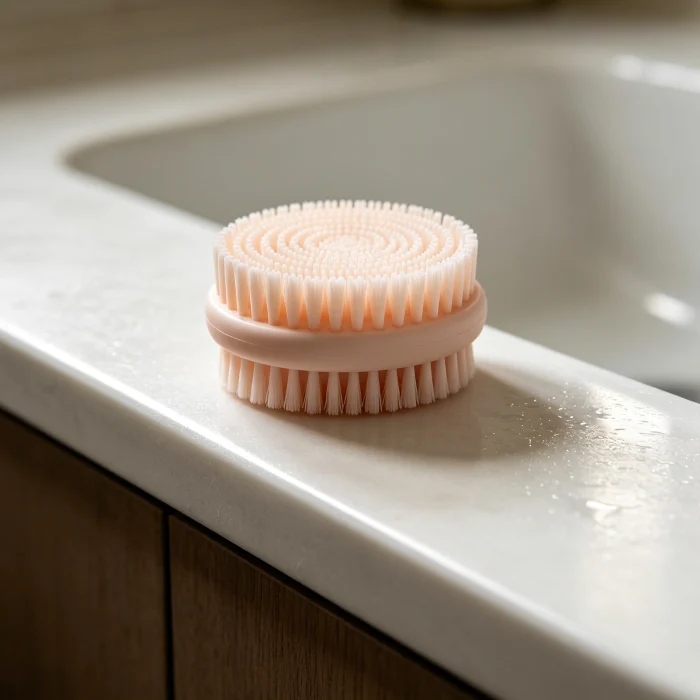
Unlike traditional brushes with nylon bristles that can create micro-tears in the skin, silicone bristles are flexible and smooth. They don’t absorb product or water, so bacteria have a harder time growing. That’s a huge plus for anyone prone to breakouts or infections.
Most silicone scrubbers are also easy to clean—just rinse with soap and water, and you’re done. Some are even dishwasher safe. Compare that to a bristle brush that needs deep cleaning and regular replacement, and the convenience factor is real.
Do Silicone Face Scrubbers Actually Work?
Yes—but the results depend on your expectations. A 2022 study in the Journal of Cosmetic Dermatology found that using a silicone cleansing device for 60 seconds boosted makeup removal by 35% compared to hand washing alone. That’s a real, measurable difference.
But here’s the catch: they won’t erase wrinkles or shrink pores permanently. What they do is give you a deeper clean without stripping your moisture barrier. For most people, that means fewer clogged pores and a smoother texture.
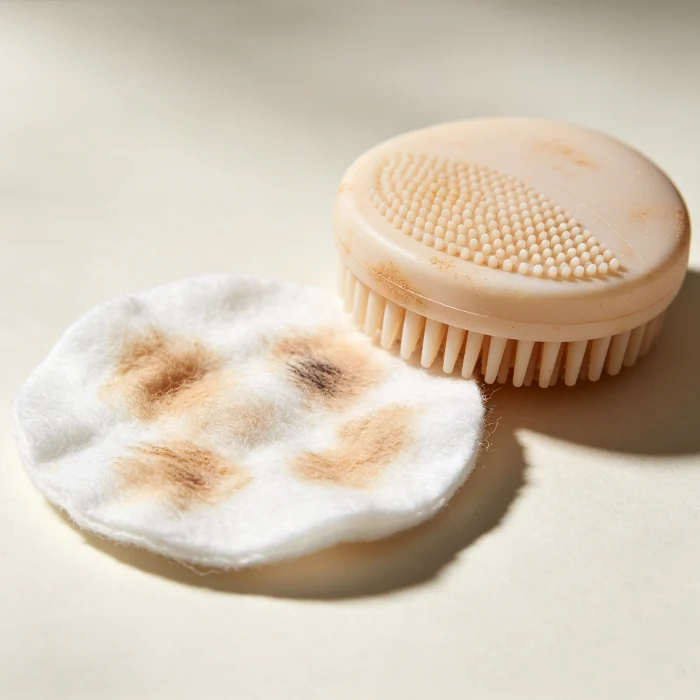
I’ve been using one for about six months, and my biggest win is how much less makeup I see on my cotton pad after double-cleansing. It’s not magic—it’s just better mechanical exfoliation.
Who Should Avoid Silicone Face Scrubbers?
Even though they’re gentle, they’re not for everyone. If you have active rosacea, eczema, or open wounds, the vibration or friction can aggravate your skin. Ditto for anyone on prescription retinoids or Accutane—your skin is already sensitive, and adding any physical exfoliation is risky.
Also skip them if you’ve recently had chemical peels, microdermabrasion, or laser treatments. Wait until your skin is fully healed (usually 1-2 weeks, but ask your dermatologist).
For those with very oily or thick skin, silicone scrubbers can be a helpful addition—but start slow. Use it once or twice a week and watch how your skin reacts.
How Often Should You Use a Silicone Face Scrubber?
Most dermatologists recommend 2-3 times per week for normal skin, and once a week for sensitive skin. Daily use is overkill for most people and can lead to dryness or redness over time.
Your skin’s reaction is the best guide. If you notice tightness after use, you’re overdoing it. Back off to once a week and see if that helps.
And here’s something many articles skip: your cleanser matters too. Use a gentle, non-foaming cleanser with the scrubber. Harsh surfactants combined with physical scrubbing can strip your barrier fast.
Silicone vs. Bristle Brushes: Which Is Safer?
| Feature | Silicone Scrubber | Nylon Bristle Brush |
|---|---|---|
| Bacterial growth | Low (non-porous) | Higher (bristles trap moisture) |
| Exfoliation level | Mild to moderate | Moderate to aggressive |
| Risk of micro-tears | Low | Higher if overused |
| Ease of cleaning | Very easy | Requires thorough drying |
| Replacement cost | Low (lasts years) | Brush heads every 3 months |
Overall, silicone scrubbers come out ahead for safety, especially if you have sensitive or acne-prone skin. But if you love the deep scrub feeling of a bristle brush, just make sure to replace heads regularly and never share them.
How to Use a Silicone Face Scrubber Safely
It’s simple, but a few tips make a difference:
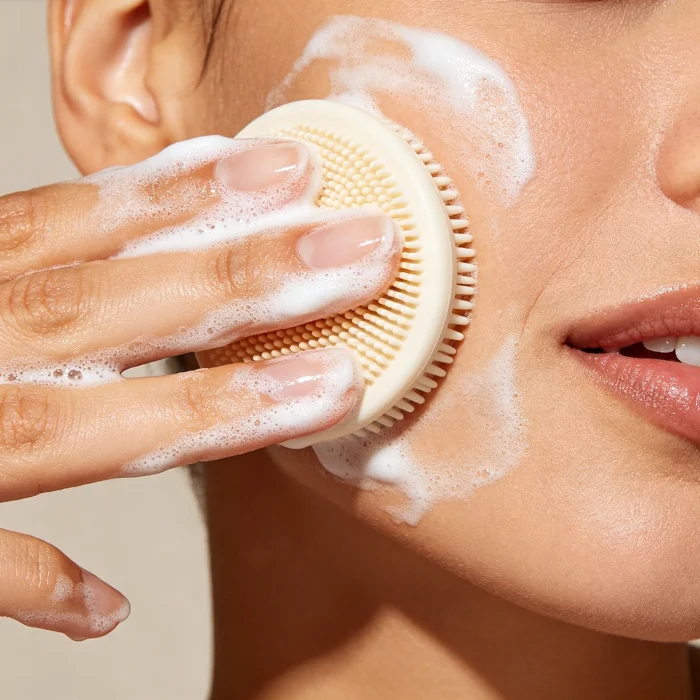
- Wet your face and the scrubber with lukewarm water.
- Apply a small amount of your usual cleanser to the scrubber or your face.
- Move the scrubber in gentle circular motions—don’t scrub back and forth like you’re sanding wood.
- Avoid the eye area entirely. The skin there is too thin for any mechanical cleansing.
- Rinse thoroughly and pat your face dry—don’t rub.
- Clean the scrubber immediately after use.
If you’re new to these devices, our beginner’s guide to face cleaning brushes has more step-by-step help.

Benefits of Using a Silicone Face Scrubber
Beyond safety, there are real perks. They’re eco-friendly—one device can replace dozens of disposable wipes or cotton rounds. They’re travel-friendly (no TSA issues with liquids) and often have long battery lives.
Many users also report that their serums and moisturizers absorb better after using a scrubber, since dead skin cells are removed. That makes sense—without a layer of buildup, products can penetrate more effectively.
But the biggest benefit? You get a consistent, gentle clean every time. No more relying on your fingers to do a mediocre job.
Are Silicone Face Scrubbers Good for Acne-Prone Skin?
They can be, with caution. The non-porous material reduces the chance of reintroducing bacteria to your face—a big win for acne. But if you have active, inflamed breakouts, the physical movement can spread bacteria and worsen cysts.
Best approach: use the scrubber on non-inflamed areas (like your nose or forehead) and avoid active pimples. Or skip it entirely during a breakout and stick to your medicated cleanser.
For more tailored advice, check out our article on the best cleansing brush for sensitive, redness-prone skin.
Frequently Asked Questions
Are silicone face scrubbers safe for daily use?
For most people, daily use is too much and can lead to irritation. Stick to 2-3 times per week if you have normal skin, or once a week if you’re sensitive. Your skin will tell you if you’re overdoing it.
Can silicone face scrubbers cause bacterial infections?
They’re much less likely to than bristle brushes because silicone is non-porous and dries quickly. But if you never clean yours, bacteria can still grow on the surface. Rinse after every use and deep clean with alcohol once a week.
Do silicone face scrubbers help with blackheads?
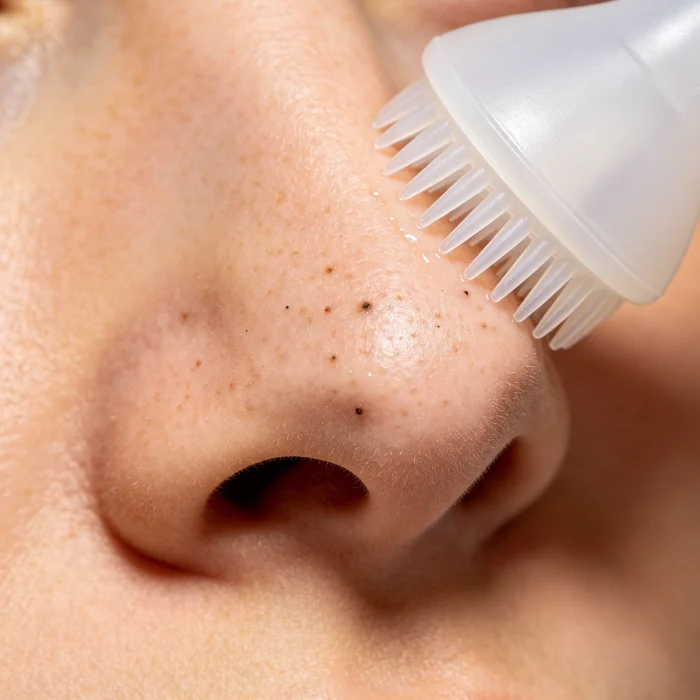
They can help prevent blackheads by removing excess oil and dead skin cells, but they won’t remove existing blackheads. For that, you’d need a dedicated treatment like salicylic acid or a pore strip. The scrubber keeps things clean so new blackheads are less likely.
Are silicone scrubbers better than using your hands?
For a deeper clean, yes. Studies show they remove more makeup and debris than hand washing alone. But if you have very sensitive skin, hands might still be the gentlest option. It depends on your skin’s tolerance.
Can men use silicone face scrubbers?
Absolutely. They work well for beard care too—gentle exfoliation can help prevent ingrown hairs. Just be careful around the beard area if you have razor bumps; don’t scrub too hard.
How long does a silicone face scrubber last?
Most quality devices last 1-2 years or more if you take care of them. The silicone itself doesn’t degrade quickly, but the battery or motor might give out eventually. Unlike bristle brushes, you don’t need to replace the head.
What’s the best way to clean a silicone face scrubber?
After each use, wash it with mild soap and warm water, then air dry. Once a week, you can sanitize it with rubbing alcohol or boil it for 3 minutes if it’s fully silicone (check the manual first).
Silicone face scrubbers are a great option for patients who want a deeper clean without the abrasion of traditional brushes. I often recommend them for people with oily or combination skin, but I always say: start slow, use a gentle cleanser, and pay attention to how your skin feels. If it feels tight or looks red after use, you’re either pressing too hard or using it too often. Also, remember that no tool replaces a good skincare routine—cleansing, moisturizing, and sun protection are still the foundation.
All Comments 5
Please log in to post a comment.
I switched to a silicone scrubber last year after getting irritation from my old nylon brush. Huge difference—my skin feels clean but not stripped. But I wonder, how often should you replace them? I've had mine for 6 months and it still looks fine.
Does anyone else feel like these things are hard to clean properly? Even though silicone is non-porous, I still get soap residue stuck between the bristles. Maybe I'm just using too much cleanser 🤷♂️
Honestly, I think people overcomplicate this. Silicone is safe, just don't scrub like a maniac. I use a cheap one from Amazon and it works fine. Also, agree that the Foreo feels nice but it's way too expensive for what it is.