
The 4 2 4 rule is a Korean double-cleansing method that breaks down to 4 minutes of oil cleansing, 2 minutes of foam cleansing, and 4 minutes of rinsing — totaling 10 minutes of face washing. It’s designed to thoroughly remove makeup, sunscreen, and sebum without stripping your skin. You start with an oil-based cleanser massaged for a full 4 minutes, then switch to a water-based foam cleanser for 2 minutes, then spend 4 minutes splashing and patting dry. It sounds excessive, but devotees swear by it.

I first came across this on a K-beauty forum and was skeptical — ten minutes to wash my face? But after trying it for a week, I noticed my pores looked smaller and my skin felt bouncier. The key is the time: each step has a purpose, not just random numbers.
Let’s break down each phase, why the numbers matter, and whether this routine is right for you.
Why 4 Minutes for Oil Cleansing?
The first 4 minutes are for oil-based cleansing. You apply a cleansing oil or balm to dry skin and massage gently. The idea is to dissolve oil-based impurities: sunscreen, sebum, and makeup. Most people rush this step — 30 seconds at most. But 4 minutes allows the oil to penetrate pores and emulsify hardened sebum. Think of it as a gentle, non-stripping pore treatment.
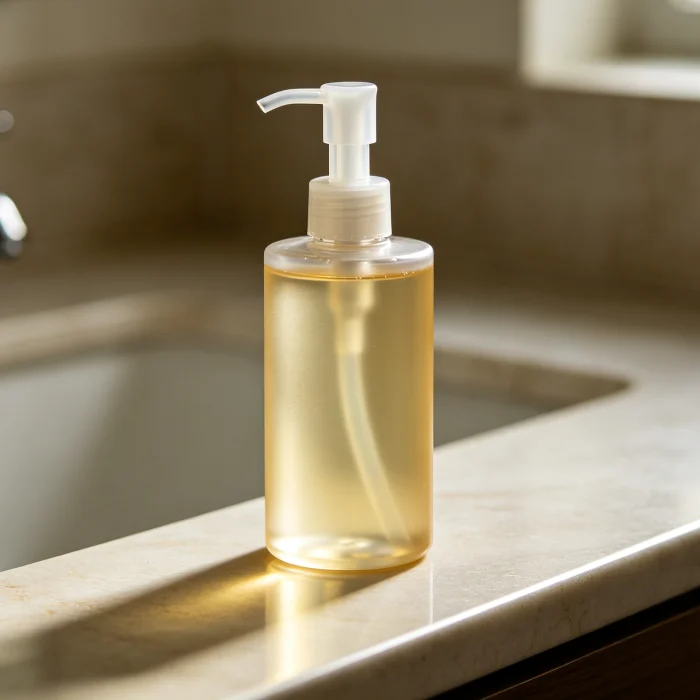
Your fingertips are the tool: use flat pads, not nails. Start at the center of your face and work outward. Spend extra time on your nose and chin where sebum accumulates. A common mistake is using too much pressure; the goal is to melt, not scrub. If your oil cleanser contains ingredients like jojoba or grapeseed oil, it can help regulate sebum production over time.
What about eye makeup? A good oil cleanser will dissolve waterproof mascara, but be careful not to get it in your eyes. Some people prefer to remove eye makeup separately first, then do the full 4-minute massage. That’s fine — adjust to what works for you.
What the 2 Minutes of Foam Cleansing Does
After rinsing off the oil cleanser, you move to a water-based foam cleanser for 2 minutes. This step removes any remaining residue and water-soluble impurities like sweat and dirt. Two minutes might seem short, but it’s longer than most people spend. The trick is to lather the cleanser in your hands first — don’t apply it directly to your face.
Use a low-pH foaming cleanser to avoid disrupting your skin barrier. Harsh surfactants like sodium lauryl sulfate can strip natural oils, which then makes your skin overcompensate with more oil. A pH of 5.5 is ideal. Massage the foam gently for 2 minutes, focusing on areas where you applied makeup or heavy sunscreen. Rinse thoroughly afterward.
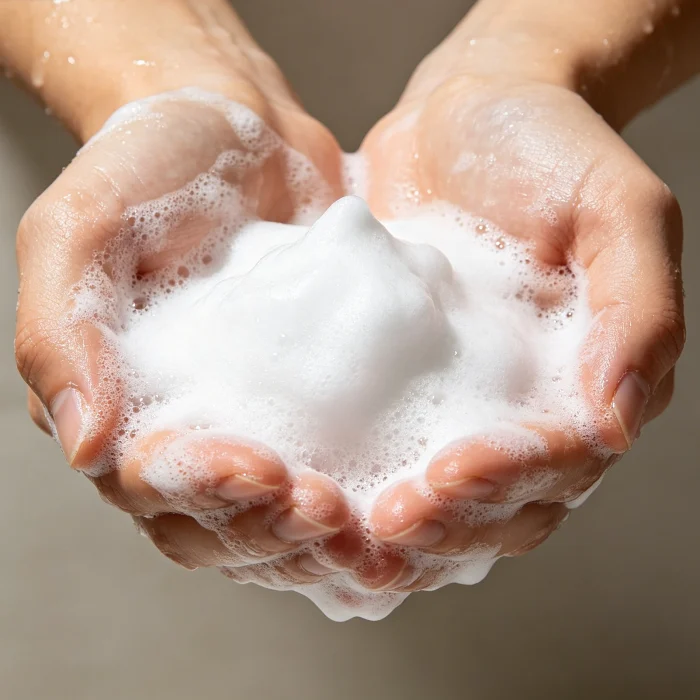
If you have dry or sensitive skin, 2 minutes might be too much. Listen to your skin — if it feels tight after cleansing, reduce to 1 minute. The method isn’t rigid; it’s a guideline.
The Final 4: Rinsing and Drying
The last 4 minutes are for rinsing. Most people rinse for 10 seconds and call it done. But the 4-2-4 method says spend 4 minutes splashing your face with lukewarm water to ensure every trace of cleanser is gone. Residue can cause congestion and breakouts. Use your hands or a soft cloth, and change the water temperature from warm to cool in the last minute to help tighten pores.
Don’t rub your face dry with a towel. Pat gently with a clean, soft towel — preferably a separate one for your face. The 4 minutes includes the time you take to pat dry. It sounds luxurious, and it is. But consider it a form of active relaxation.

Does the 4-minute rinse actually make a difference? In my experience, yes. My skin felt noticeably less sticky and more refreshed when I extended the rinse time. But if you’re in a rush, even 2 minutes of thorough rinsing is better than the usual 10 seconds.
Does the 4 2 4 Rule Work for All Skin Types?
Short answer: not exactly. It’s most beneficial for oily, combination, and acne-prone skin because those types tend to produce excess sebum and need deeper cleansing. For dry or sensitive skin, the full 10 minutes can be stripping. If you have reactive skin, try a modified version: 2 minutes oil, 1 minute foam, 2 minutes rinse. See how your skin responds.
People with very dry skin might find the oil cleansing step too heavy. In that case, use a lighter oil like squalane or skip the oil step entirely on some days. The method is a framework, not a law. The Korean beauty philosophy emphasizes listening to your skin, so adjust as needed.
Common Mistakes and How to Avoid Them
Let’s be real: most people screw up the 4-2-4 method in predictable ways. First, they use the wrong cleansers. An oil cleanser with mineral oil might not emulsify well, leaving a film. Second, they skip the emulsification step — you need to add water to the oil before rinsing to turn it milky. Third, they use hot water, which strips the skin. Lukewarm is best.
Another mistake is over-rubbing. The 4 minutes of oil massage should be gentle — your fingertips barely glide. If you’re scrubbing, you’re doing it wrong. Also, don’t use a cleansing brush or sponge unless your skin is very resilient. The method is meant to be manual and mindful.
Finally, don’t follow the 4-2-4 every single day. For most people, once a day (evening) is enough. Over-cleansing can lead to a damaged moisture barrier. If you wear minimal makeup, you might only need the foam step.
The Science Behind the Timing
Is there real science behind these exact numbers? Partially. Oil cleansing for 4 minutes gives enough time for the oil to dissolve sebum and sunscreen effectively. Studies show that longer contact time improves the removal of lipophilic impurities. The 2-minute foam step aligns with the time needed for surfactants to bind to water-soluble dirt. And 4 minutes of rinsing ensures no residue remains, which can clog pores or cause irritation.
However, the specific 4-2-4 ratio isn’t backed by a clinical trial. It’s an empirical routine popularized by Korean estheticians. Think of it as a practical guideline, not a scientific formula. The real benefit is the mindfulness — taking time to clean your skin properly instead of rushing.

How to Incorporate the 4 2 4 Rule into Your Routine
Start slowly. Try the method once in the evening for a week, then assess. Use an oil cleanser suited to your skin type: for oily skin, look for tea tree or salicylic acid oil cleansers; for dry skin, choose one with ceramides or hyaluronic acid. Follow with a gentle foam cleanser.
After rinsing, pat dry and immediately apply moisturizer while skin is still damp. The 4-2-4 method can be drying if you don’t hydrate afterward. If you use a toner or essence, apply it before moisturizer.
For those interested in a full facial routine, check out our guide on the 7 steps of a facial. It pairs nicely with the 4-2-4 cleansing method.
Frequently Asked Questions
What is the 4 2 4 rule in skincare?
The 4-2-4 rule is a Korean double-cleansing method: 4 minutes of oil cleansing, 2 minutes of foam cleansing, and 4 minutes of rinsing. It aims to thoroughly remove makeup, sunscreen, and impurities without stripping the skin.
Can I use any oil and foam cleanser for the 4-2-4 method?
Not every cleanser works well. Choose an oil cleanser that emulsifies fully (turns milky with water) and a low-pH foam cleanser (around pH 5.5). Avoid cleansers with harsh sulfates or non-emulsifying oils.
Is the 4-2-4 method suitable for sensitive skin?
It can be too harsh for sensitive skin. If you have rosacea or a compromised barrier, shorten the times (e.g., 2-1-2) or skip the oil step on some days. Always patch test first.
How often should I do the 4-2-4 cleansing method?
Once daily (evening) is sufficient. Over-cleansing can damage your skin barrier. In the morning, a simple rinse with water or a gentle cleanser is enough for most skin types.
Does the 4-2-4 method help with acne?
It can help by removing excess sebum and preventing clogged pores. However, if you have active inflammatory acne, avoid vigorous massage as it can spread bacteria. Consult a dermatologist for severe acne.
What’s the purpose of the rule of four in the 4-2-4 method?
The “rule of four” refers to the 4 minutes allocated to both oil cleansing and rinsing. These extended times ensure thorough impurity removal and complete rinsing, which are key to the method’s effectiveness.
“The 4-2-4 method is a fantastic way to practice mindful cleansing, but it’s not a one-size-fits-all prescription. I recommend starting with 2 minutes for oil, 1 minute for foam, and 2 minutes for rinse if you have normal-to-dry skin. The real magic is in the patience — giving each product time to work. Over-cleansing is a common mistake I see; your skin barrier is precious, so adjust the timings based on how your skin feels, not a TikTok trend.”
All Comments 0
Please log in to post a comment.
No comments yet. Be the first to share your thoughts!