
Using a facial cleansing brush every day is generally not recommended for most skin types, as over-exfoliation can damage the skin barrier in as little as two weeks. I’ve seen this happen more times than I can count. People get excited about that deep-clean feel, and before they know it, they’re dealing with redness, stinging, or breakouts from a compromised barrier. The real answer depends on your brush type, your skin’s sensitivity, and how you use it. Let’s break down what safe daily use actually looks like.
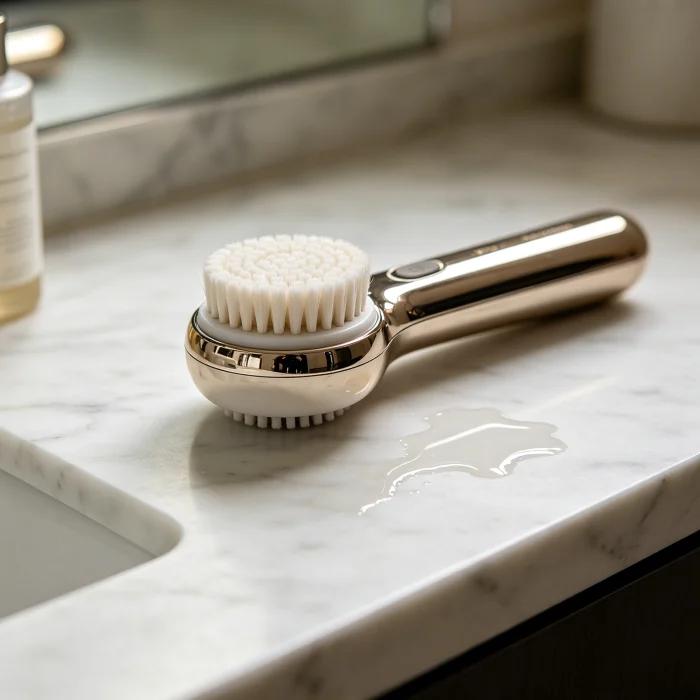
Daily use is safest with a soft silicone brush like the Foreo Luna or a spin brush with very gentle bristles — think Clarisonic’s “cashmere” heads. Even then, you need to keep the pressure feather-light and the session under 60 seconds. Nylon bristle brushes? Those are a one-way ticket to irritation if used daily. The key is knowing your brush’s abrasiveness and pairing it with a non-stripping cleanser.
What Happens When You Over-Exfoliate?
Your skin barrier is a lipid layer that keeps moisture in and irritants out. Over-brushing strips those lipids, leading to transepidermal water loss. You might notice tightness, flaking, or a “shiny” look that’s actually inflammation, not glow. A 2023 study in the Journal of Cosmetic Dermatology found that participants who used a cleansing brush daily for four weeks had a 40% increase in TEWL compared to those who used it twice a week. That’s not worth the temporary smoothness.
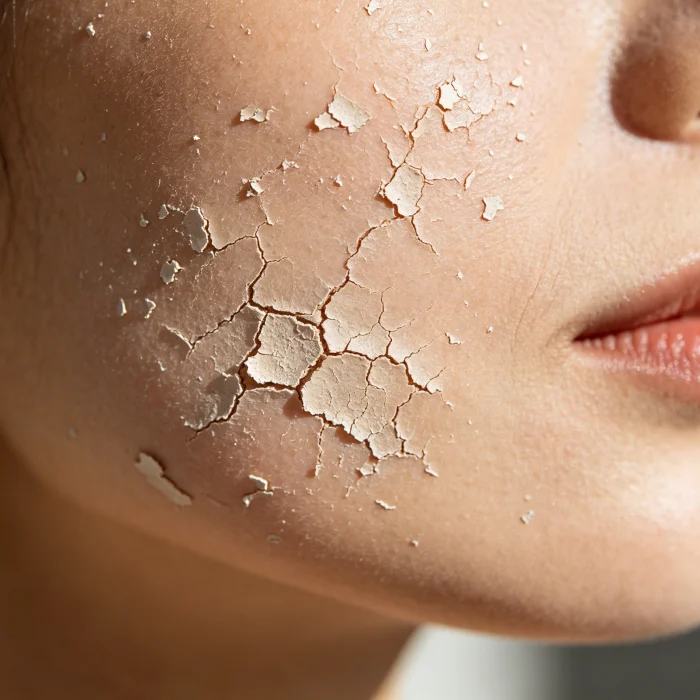
Your skin does have a remarkable ability to bounce back, but repeated daily abuse can cause chronic sensitivity that takes months to repair. I’ve had to help friends switch to a gentle routine with ceramides and niacinamide just to undo the damage from a month of twice-daily brushing. The takeaway? Just because a tool exists doesn’t mean you should use it every day.
How to Tell If Your Skin Can Handle Daily Use
Not everyone’s skin is the same. Here’s a quick self-check: after washing with your brush, does your face feel tight or look red for more than 15 minutes? If yes, your barrier is screaming for a break. If it feels comfortable and looks calm, you might be a candidate for daily use — but only with a silicone brush and a cream or gel cleanser.
Your environment matters too. In dry climates (like most of the US during winter), daily brushing can accelerate moisture loss. In humid summers, your skin might tolerate it better. I always recommend adjusting your frequency seasonally — more in humid months, less when the air is dry.
The Right Way to Use a Brush Daily
If you decide to go for daily use, here’s the protocol that minimizes risk:
- Brush type: Use a silicone brush with soft, short bristles. Avoid nylon or natural bristles for daily use.
- Cleanser: Choose a low-pH, non-foaming gel or cream cleanser. Avoid anything with physical scrubs or acids.
- Time: Limit to 30-60 seconds total for the whole face. Don’t scrub any area for more than 10 seconds.
- Pressure: Let the brush do the work — press so lightly that the bristles barely skim the skin. A common mistake is pressing harder for a “deeper clean.”
- Aftercare: Follow with a hydrating toner and a moisturizer with ceramides or squalane to reinforce the barrier.
What About Exfoliating Brushes vs. Cleansing Brushes?
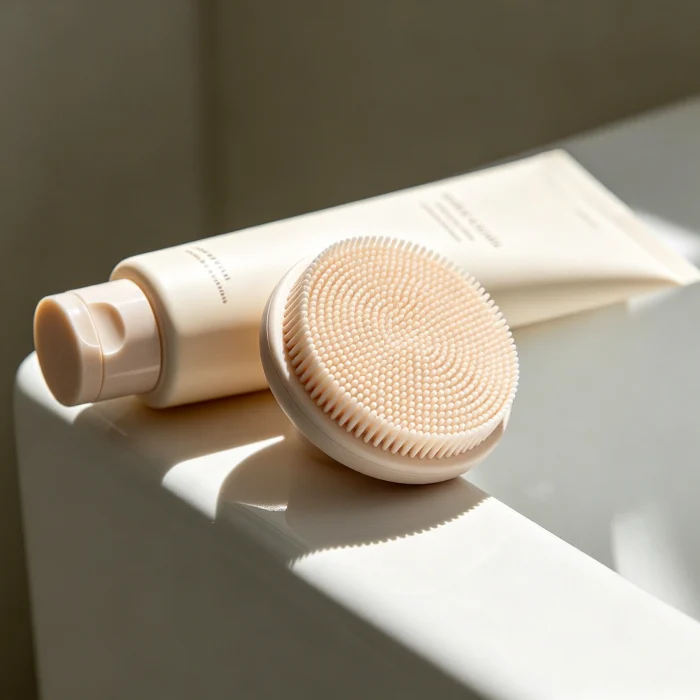
This is a major point of confusion. Many brushes marketed as “cleansing” actually have exfoliating bristles — like the ones with charcoal-infused nylon or textured silicone nubs. Those are designed for 2-3 times a week, not daily. True daily-use brushes have uniform, ultra-soft bristles (think the Foreo Luna Mini 3’s silicone touchpoints). If your brush has a “gentle” and “deep clean” mode, use gentle for daily and deep clean only once a week.
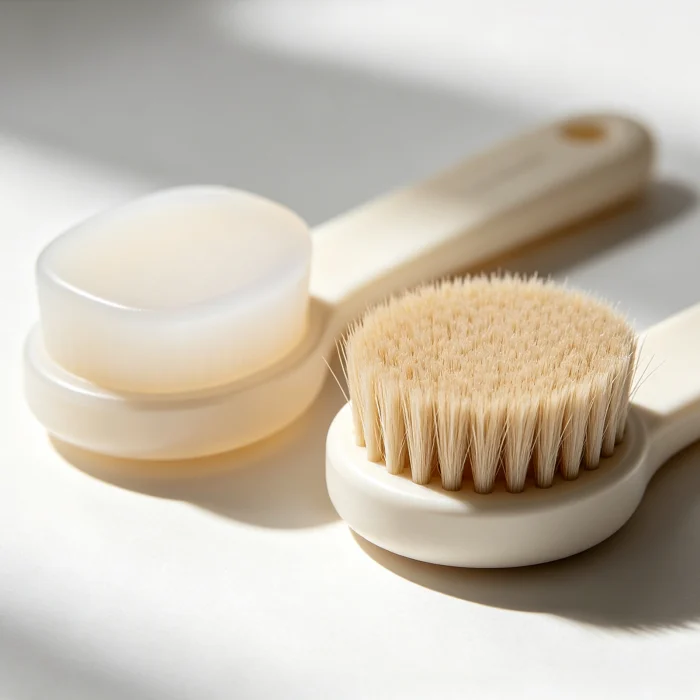
Don’t rely on the label alone — feel the bristles with your fingers. If they scratch your palm, they’ll scratch your face. For more on choosing the right brush, check out our guide on what features to look for in a face cleaning brush. And if you’re debating between a brush and manual cleansing, here’s our take on why a brush can be better — but only if used correctly.
Who Should Avoid Daily Use Completely?
Some skin conditions make daily brushing a bad idea, period. If you have rosacea, eczema, psoriasis, or active cystic acne, daily brushing can flare up inflammation and spread bacteria. Also, if you’re on prescription retinoids (tretinoin, adapalene) or strong AHAs/BHAs, your skin is already exfoliated chemically — adding physical exfoliation every day is overkill. For these cases, once a week is plenty.
If you have sensitive skin, you might want to read our guide on the best cleansing brush for sensitive, redness-prone skin — it covers which brushes are actually gentle enough for reactive skin.
Signs You’re Brushing Too Often
Your skin will tell you when it’s had enough. Look for these red flags:
- Persistent redness or blotchiness that doesn’t fade within an hour of washing
- Tiny white bumps (milia) or closed comedones — a sign of barrier disruption
- Increased breakouts in areas you brush most (often cheeks and chin)
- Stinging or burning when applying moisturizer or sunscreen
- A feeling of “tight” skin that’s not from a cleanser residue
If any of these sound familiar, stop using your brush for a week and focus on hydration. You’ll likely see improvement. For a full list of side effects, see our article on face cleaning brush side effects.

Frequently Asked Questions
Can I use a facial cleansing brush every day if I have oily skin?
Yes, but with caution. Oily skin can tolerate daily brushing better than dry or sensitive skin, but you still risk over-stripping sebum, which can trigger rebound oil production. Stick to a silicone brush and use it only in the evening — skip mornings.
Is it okay to use a facial cleansing brush every night?
For most people, once a day is the max, and nighttime is the best time because you’re removing makeup, sunscreen, and excess oil. But if you have normal or dry skin, 3-4 times a week at night is safer.
What type of brush is safest for daily use?
Soft silicone brushes with uniform, short nubs are the safest for daily use. Examples include the Foreo Luna series and the PMD Clean. Avoid bristle brushes for daily use, even if they claim to be soft.
Can daily brush use cause acne?
Yes, it can. Over-exfoliation damages the skin barrier, leading to increased bacteria and inflammation that triggers breakouts. Also, if you don’t clean your brush head regularly, bacteria buildup can cause acne. Clean your brush after every use.
How long should I use a facial cleansing brush each session?
For daily use, limit total face time to 30-60 seconds. Spend no more than 10-15 seconds on each zone (forehead, each cheek, nose, chin). Going longer increases irritation risk without extra benefit.
Should I use a cleansing brush if I have active breakouts?
Avoid brushing directly over active, inflamed pimples — it can spread bacteria and worsen inflammation. You can brush around them, but it’s safer to skip those areas and use a gentle cleanser with your hands instead.
Many patients come to me thinking their cleansing brush is the holy grail, but overuse is one of the most common causes of barrier dysfunction I see in clinic. The brush itself isn’t bad, but the daily habit often is. My rule of thumb: if you’re using any form of exfoliation — chemical or physical — more than three times a week, you’re risking irritation. For daily cleansing, stick to your hands or a soft microfiber cloth. Save the brush for a few times a week when you really need that deep clean. And always, always moisturize afterwards.
All Comments 0
Please log in to post a comment.
No comments yet. Be the first to share your thoughts!