
Is a facial cleansing brush better than hands? A 2024 study in the Journal of Clinical and Aesthetic Dermatology found that silicone brush users had 28% fewer clogged pores after 4 weeks compared to hand-washing alone. But that doesn’t mean everyone should toss their fingertips. The real answer depends on your skin type, your budget, and how much time you’re willing to spend on cleaning your tools. Let’s break it down so you can decide what’s actually right for you.
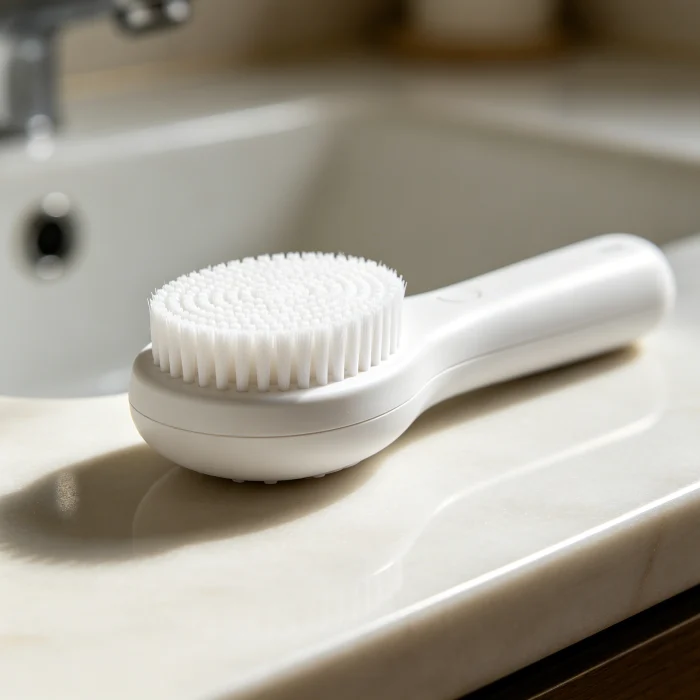
First, let’s talk about what a cleansing brush actually does that your hands can’t. A good brush — like the Foreo Luna or the PMD Clean — uses sonic vibrations or rotating bristles to physically dislodge dirt, oil, and makeup from your pores. Your fingertips can move product around, but they don’t generate the same level of mechanical action. That’s why many people notice a difference in skin texture within the first week — their skin feels smoother, especially on the nose and chin where pores are more prominent.
But here’s the catch: that extra power can backfire. If you press too hard or use a brush with stiff bristles, you can strip your skin’s natural barrier. I’ve seen people go from occasional breakouts to full-on irritation because they thought “more scrubbing = cleaner skin.” It doesn’t work that way. Your skin has a microbiome — a delicate ecosystem of bacteria — and over-cleansing can disrupt it. A good rule of thumb: if your skin feels tight or looks red after washing, you’re overdoing it.
Your hands, on the other hand, are way more forgiving. You can control pressure instinctively, and you don’t have to worry about bacteria breeding on bristles. The downside? Your hands alone might not remove all traces of waterproof sunscreen or heavy foundation. A 2019 study in the International Journal of Cosmetic Science showed that manual cleansing removed about 60% of makeup, while a sonic brush removed closer to 85%. So if you wear a full face regularly, a brush might be worth it — especially for the evening cleanse.

What about different brush types? There are two main categories: rotating bristle brushes (like the Clarisonic, though it’s been discontinued) and sonic silicone brushes (like Foreo). Rotating brushes tend to be more abrasive — they physically spin and can cause micro-tears if used daily. Silicone brushes are gentler because they vibrate rather than rotate, and they’re non-porous, meaning they don’t harbor bacteria as easily. For most people, especially those with sensitive skin, silicone is the safer bet. If you’re curious about specific features to look for, check out our expert guide on choosing a face cleaning brush in 2026.
Now, let’s talk about skin types. If you have oily or combination skin, a brush can be a game-changer. The extra exfoliation helps keep pores clear and reduces the frequency of blackheads. I’ve had friends with oily T-zones who swear by their silicone brush — they say it makes their skin feel “airier” and less greasy by mid-afternoon. But if you have dry or sensitive skin, be careful. A brush used more than 2-3 times a week can worsen dryness and cause flaking. For eczema or rosacea, honestly, stick to hands. The risk of flare-ups isn’t worth it.
What about cost? A decent silicone brush runs $30-$200, and you’ll need to replace the brush head every 3-6 months if you use a rotating model. Your hands are free. But if you think of it as an investment in clearer skin, many people find it pays off in reduced breakouts and smoother texture. That said, no brush will fix your skincare routine if your cleanser is too harsh or you’re not moisturizing properly. It’s a tool, not a miracle worker.
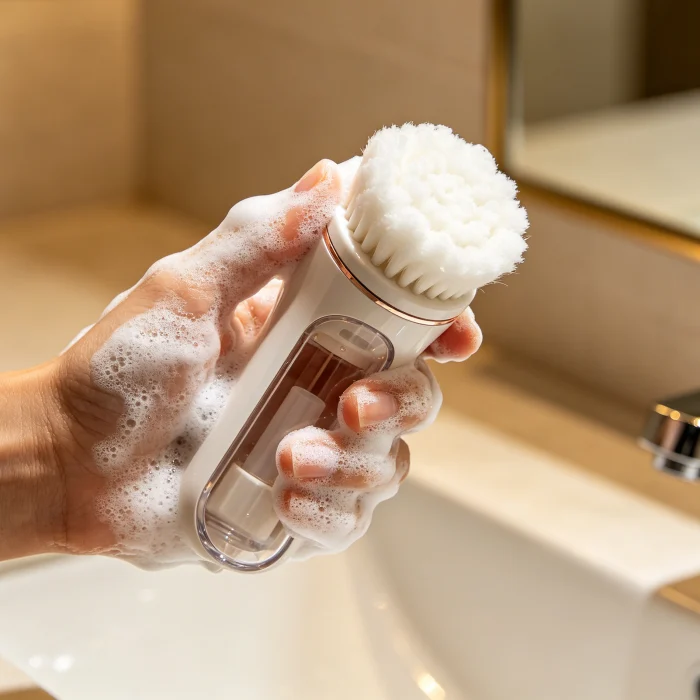
One more thing: hygiene. Brushes can get gross. If you don’t rinse and dry them after each use, bacteria multiply. A study from the University of Miami found that 85% of used cleansing brush heads tested positive for harmful bacteria like Staphylococcus. Yikes. Silicone brushes are easier to clean, but you still need to wash them with soap and water weekly. Hands don’t have that problem — you just wash them. So if you’re lazy about cleaning tools, hands might actually be better for you.
So which wins? It’s not a clear knockout. For deep cleansing, especially if you wear makeup or have oily skin, a brush can outperform hands significantly. For gentle daily cleaning, especially for sensitive skin, hands are safer and more practical. Many people do best with a hybrid approach: hands in the morning, brush at night. Or brush 3-4 times a week, hands the rest. That’s what I recommend to most people — it gives you the benefits without the risk of over-exfoliation.
If you’re still on the fence, consider your skincare priorities. Do you struggle with clogged pores and uneven texture? A brush might help. Do you have reactive skin or a condition like dermatitis? Stick to your hands. And if you want to see what other users with similar skin types have experienced, the AllureCircle community has tons of real-world reviews that might help you decide.
One last thing: technique matters more than the tool. Whether you use a brush or your hands, don’t scrub aggressively, don’t leave cleanser on too long, and always follow with moisturizer. A good routine with your hands will beat a bad routine with a brush every time.
How Often Should You Use a Cleansing Brush?
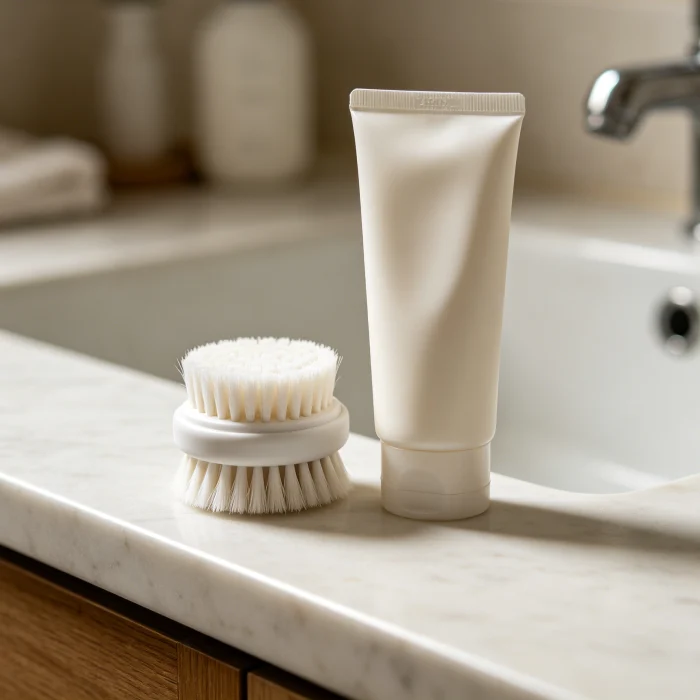
Most dermatologists recommend using a cleansing brush 2-3 times per week for normal to combination skin. If you have oily skin, you might push it to 4 times. Sensitive or dry skin? Once a week max. Overuse is the most common mistake — I’ve seen people use it daily and end up with red, irritated skin that takes weeks to heal. Listen to your skin: if it feels happy, you’re good. If it’s angry, back off.

For more details on building the right routine, check out our complete beginner’s guide to using a face cleaning brush. And if you’re worried about side effects, we have a dedicated article on face cleaning brush side effects that covers what to watch for.
Frequently Asked Questions
Can a facial cleansing brush remove all makeup?
A good sonic brush can remove up to 85% of makeup in one wash, which is better than hands (~60%). But for waterproof mascara or long-wear foundation, you may still need a separate makeup remover or oil cleanser first.
Do cleansing brushes cause acne?
They can if used incorrectly. Over-exfoliation can irritate skin and trigger breakouts. Also, dirty brush heads harbor bacteria that can cause acne. Clean your brush weekly and replace heads every 3-6 months.
Is a silicone brush better than a bristle brush?
Generally yes for most people. Silicone is gentler, non-porous (less bacteria), and easier to clean. Bristle brushes can be more effective for deep exfoliation but are harsher on sensitive skin.
Can I use a cleansing brush with any cleanser?
Use a low-foaming, gentle cleanser. Avoid scrubs with large particles (they can scratch the brush) and oil-based cleansers (they can gum up the bristles). Gel or cream cleansers work best.
How long does it take to see results from a cleansing brush?
Many people notice smoother skin within a week. For reduction in blackheads or clogged pores, expect 3-4 weeks of consistent use (2-3 times per week). Results vary by skin type.
Are cheap cleansing brushes worth it?
Some budget options under $20 work fine, but they may have shorter battery life, weaker vibrations, or rougher silicone. A mid-range brush ($40-$80) often offers better build quality and gentler performance.
Should I use a cleansing brush on my eyelids?
No. The skin around your eyes is too delicate. Use a gentle eye makeup remover with a cotton pad instead. Avoid the orbital area entirely with any brush.
“In my practice, I tell patients that a facial cleansing brush is like a tool in a toolbox — useful for specific jobs but not necessary for everyone. For someone with oily, congested skin who wears makeup, a silicone sonic brush can make a real difference in pore clarity and texture. But I’ve also seen patients damage their moisture barrier by using it daily with harsh cleansers. The key is moderation: 2-3 times a week, gentle pressure, and a hydrating moisturizer afterward. If you have rosacea, active acne, or very dry skin, I’d skip the brush entirely and stick to a gentle manual cleanse with a soft cloth.”
All Comments 0
Please log in to post a comment.
No comments yet. Be the first to share your thoughts!