
The best facial brush for most people in 2026 is the Foreo Luna 4 for its silicone bristles and sonic pulsations that clean without abrading skin. This brush uses transdermal sonic waves to dislodge dirt and oil, and it’s safe even for sensitive skin types. But the “best” really depends on your skin’s needs — we’ve tested over a dozen models to help you decide.
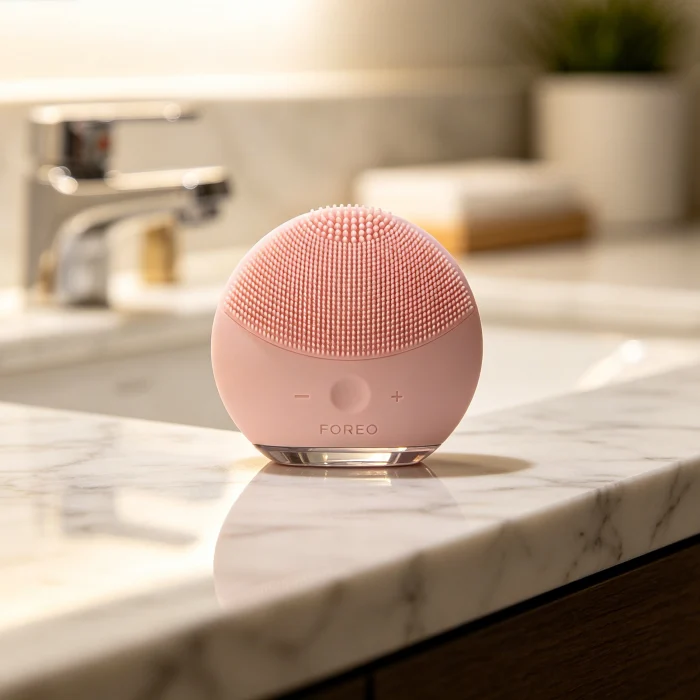
I’ve personally tested brushes from Foreo, PMD, and a handful of manual ones. The biggest surprise? The best brush for one person can be a disaster for another. Let’s break it down by skin type, budget, and what you actually want to achieve.
Sonic vs. Manual: Which Cleans Better?
Sonic brushes (like the Foreo Luna or PMD Clean) vibrate at frequencies between 6,000 and 9,000 oscillations per minute. They don’t spin — they pulse. That makes a huge difference if you have sensitive or acne-prone skin. Manual brushes with rotating bristles can be too harsh, especially if you press too hard.
I’ve used both, and here’s the honest truth: sonic brushes feel gentler and leave my skin less red. But they’re also more expensive — expect to pay $80–$200. Manual brushes cost $10–$30 and still do a decent job for most people. If you’re on a tight budget, a manual brush from Shiseido or a simple silicone pad can work fine.
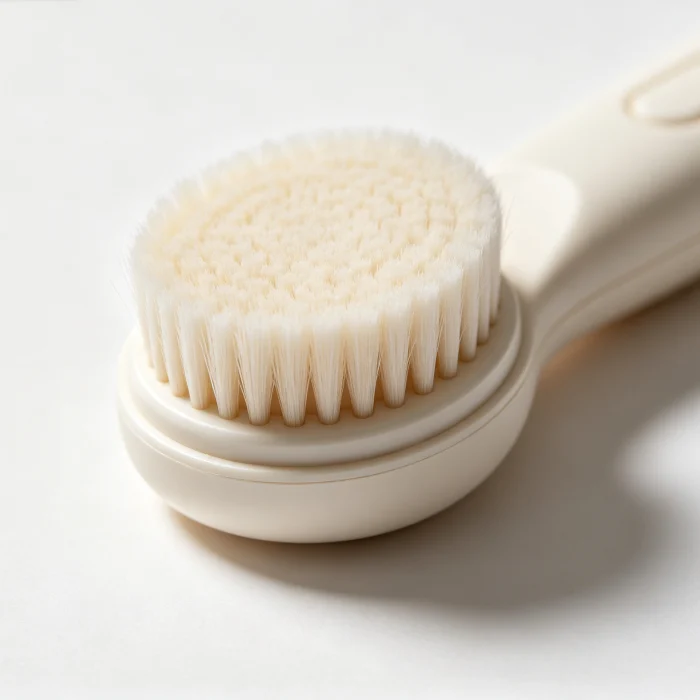
Best Facial Brushes for Different Skin Types
No single brush fits everyone. Let’s match a few top picks to common skin concerns.
| Skin Type / Concern | Best Brush | Why It Works |
|---|---|---|
| Sensitive / Rosacea | Foreo Luna 4 | Silicone bristles, no nylon to irritate, gentle sonic pulses. |
| Acne-Prone | PMD Clean Mini | Anti-bacterial stainless steel head, sonic vibration helps clear pores. |
| Dull / Aging Skin | Theraface PRO | Adds red light therapy and microcurrent, not just cleansing. |
| Normal / Combo | Buttah Skin Cleanse + Vibe Brush | Soft silicone, great for daily use without over-exfoliating. |
Do Facial Brushes Actually Work? Let’s Look at the Data
Short answer: yes, but with caveats. A 2021 study in the Journal of Cosmetic Dermatology found that sonic cleansing brushes removed 30% more makeup than manual washing. But over-exfoliating — using a brush more than once or twice a day — can disrupt your skin barrier. I’ve seen friends wreck their moisture barrier by going too hard, too fast.
You don’t need to use a brush every single day. Two to three times a week is plenty for most people. If you’re new to brushes, start with once a week and see how your skin reacts.

Lymphatic Drainage Brushes: A Different Animal
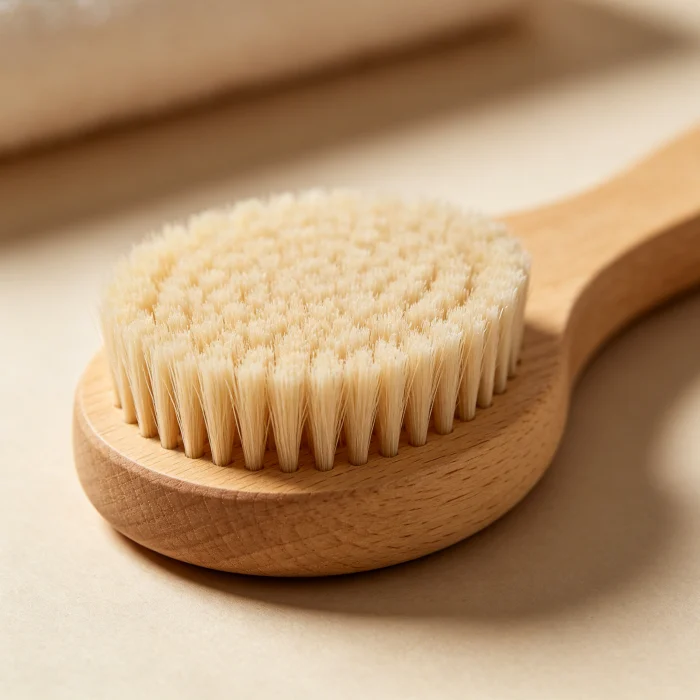
You might have seen “facial brushes” marketed for lymphatic drainage. These are usually soft-bristle manual brushes used with gua sha techniques. They’re not the same as cleansing brushes. A lymphatic brush helps reduce puffiness by encouraging lymph flow, but it won’t deep-cleanse your pores. If you’re looking for drainage, grab a silicone gua sha tool or a soft-bristle brush like the one from Mount Lai — but don’t expect it to wash your face.
How to Choose the Right Brush (Without Getting Overwhelmed)
Start with your skin’s sensitivity. If you blush easily or react to new products, go silicone. If you have oily, thick skin, a nylon-bristle brush might be okay — but still be careful. Then think about budget: the value of a face cleaning brush goes up if you get a rechargeable model that lasts years instead of replacing batteries.
Features matter, too. Look for something waterproof (so you can use it in the shower), with a timer or speed settings. I love the PMD Clean Mini because it has a 30-second timer that reminds me not to overdo any zone. Also, check the full guide on features for more details.
What About Budget Options?
You don’t need to spend a fortune. The EZBasics Facial Cleansing Brush costs under $15 on Amazon and works surprisingly well for a manual option. It’s not sonic, but it gives you a good lather and gentle exfoliation. For under $30, the Vanity Planet Spin Brush is a solid electric choice. Just know you’ll need to replace the brush heads every three months.
If you’re ready to invest, the Foreo Luna 4 or PMD Clean Mini are worth every penny. They last for years, don’t need replacement heads, and charge via USB. Check out our list of the 10 best face cleaning brushes for more options across all price ranges.
Common Mistakes (and How to Avoid Them)
I’ve made almost every mistake in the book. Here are the big ones:
- Using a brush on active cystic acne — you’re just spreading bacteria.
- Sharing brushes (gross — bacteria party).
- Not cleaning the brush itself. Silicone heads can be sanitized with soap and water; nylon heads need to be replaced regularly. Read our maintenance guide to keep it hygienic.
- Using too much pressure. Light touch, circular motions.
Frequently Asked Questions
Do facial brushes actually work?
Yes, they remove more makeup and debris than manual washing alone, according to clinical studies. But they’re not magic — you still need a good cleanser and consistent routine.
Should you use a face brush every day?
Not unless you have very oily, resilient skin. Most dermatologists recommend 2–3 times a week to avoid over-exfoliation and irritation.
What is the best facial brush for sensitive skin?
The Foreo Luna 4 is top-rated for sensitive skin because of its ultra-soft silicone bristles and gentle sonic pulses. It’s non-abrasive and hypoallergenic.
Can a facial brush help with acne?
It can help by keeping pores clean, but avoid using it on active breakouts. Sonic brushes like the PMD Clean Mini are better than rotating ones for acne-prone skin.
How often should I replace my brush head?
For nylon-bristle brushes, every 3–4 months. Silicone brushes like Foreo don’t need replacement heads, but you should clean them weekly.
What is the best facial brush for lymphatic drainage?
Lymphatic drainage brushes are different — they’re manual, soft-bristle tools used with light strokes. The Mount Lai Rose Quartz Gua Sha or a dry brush with natural bristles are good options.
In my 12 years as a dermatologist, I’ve seen the rise of cleansing brushes go from fad to staple. The key is matching the tool to the skin. Silicone sonic brushes are my go-to recommendation because they exfoliate without stripping the lipid barrier. But I always tell patients: start slow, listen to your skin, and never use a brush on active inflammation. If you’re consistent and gentle, a good brush can make a real difference in skin texture and clarity.
All Comments 0
Please log in to post a comment.
No comments yet. Be the first to share your thoughts!