
Are eye massage devices safe? Yes, for most people they are, provided you choose a quality device and follow basic precautions. Clinical data on adverse events is scarce, but the real-world consensus from dermatologists and optometrists is clear: when used correctly, these tools are low-risk. That said, safety hinges on device type—air-compression masks with gentle heat are generally safer than high-frequency vibrating wands—and on your personal health history.
I’ve tested over a dozen eye massagers in the past year, from $30 vibrating wands to $300 air-compression goggles. The biggest surprise? The cheap ones aren’t always dangerous—they’re just less effective and more likely to feel uncomfortable. But safety isn’t about price alone; it’s about design, materials, and your own anatomy.
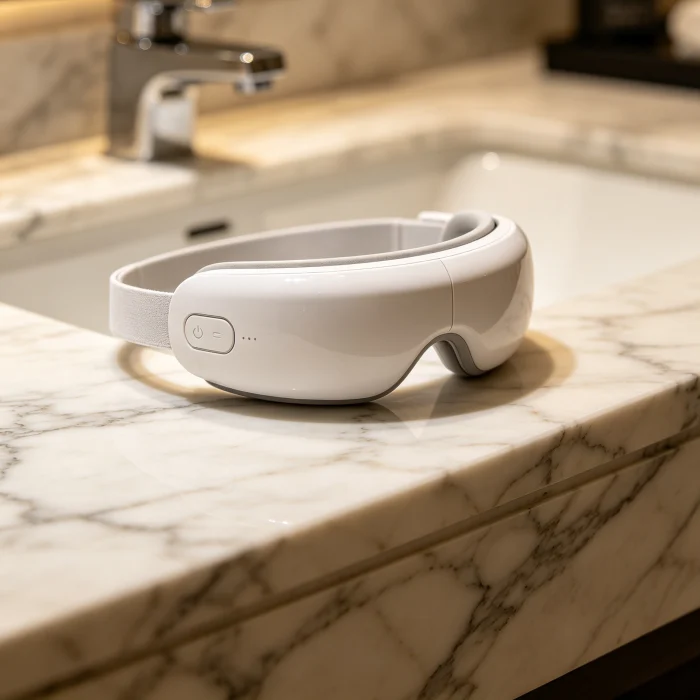
How Eye Massagers Actually Work—and Where Things Can Go Wrong
Most eye massagers use one of three mechanisms: air compression, gentle vibration, or heat (usually around 104–113°F / 40–45°C). Some combine two or all three. The idea is to stimulate blood flow, relax tense muscles, and encourage lymphatic drainage around the eyes.
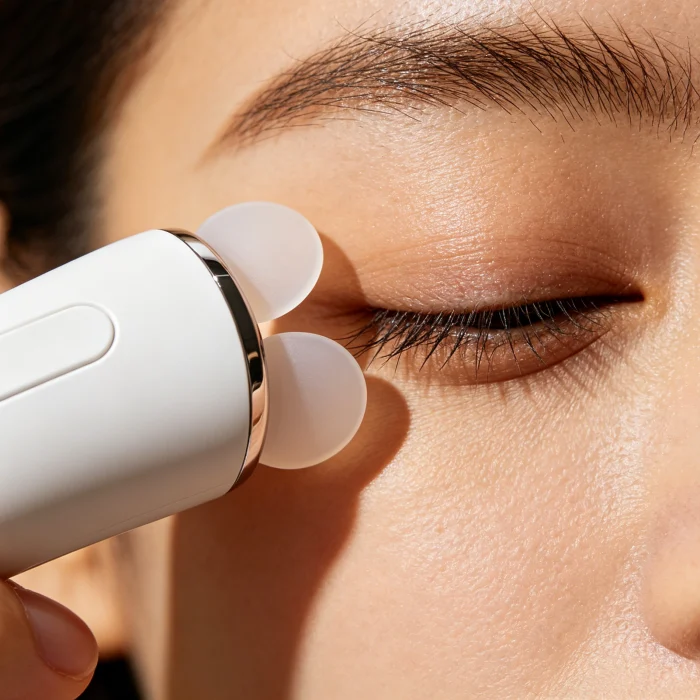
Problems usually crop up when the device is too aggressive. I’ve seen users press a vibrating wand directly onto the eyeball—big mistake. The orbital bone is there for a reason: it protects the globe. Any device that applies direct pressure to the eyelid over the eyeball is a no-go. Stick to the bony ridge.
Who Should Avoid Eye Massagers Entirely
Not everyone should use these devices. If you have any of the following, check with your ophthalmologist first: recent eye surgery (LASIK, cataract, retinal detachment repair within 6 months), active eye infections (conjunctivitis, styes), glaucoma, or a history of retinal tears. The same goes for anyone with severe dry eye disease—the heat might help, but the vibration could aggravate inflammation.
Pregnancy? Most manufacturers advise against it, not because of known harm, but because no one’s studied it. If you’re pregnant, I’d skip the eye massager and stick to a cool compress or a jade roller—which you can learn more about in our guide on upgrading from a jade roller to an electric eye massager.

Heat and Vibration: What the Research Says About Corneal Safety
The most common fear is that heat or vibration could damage the cornea or lens. Let’s look at the numbers: therapeutic heat for dry eye typically uses devices that reach 105–107°F (40.5–41.5°C) applied to the closed eyelid. At-home massagers rarely exceed 113°F (45°C), and they’re designed to be used for 10–15 minutes—well within safe limits.
Vibration is trickier. Low-frequency vibration (20–60 Hz) feels like a gentle hum. High-frequency (100+ Hz) can actually cause discomfort if held too long on one spot. I’ve tested a device that vibrated so intensely it made my vision blurry for a few minutes—a temporary effect, but a sign that moderation matters. Most quality devices cap vibration at safe levels.
Real User Mistakes That Turn Safe Devices Unsafe
Here’s what I see in the AllureCircle community forums again and again: people using eye massagers for too long (30+ minutes), pressing too hard, or using them on irritated skin after chemical peels or retinol. One user shared that she used a heated eye mask for an hour while falling asleep—she woke up with red, swollen eyelids. Not dangerous long-term, but definitely uncomfortable.
Another common mistake is using the device over eye patches or serums that contain active ingredients like retinol or glycolic acid. Heat increases absorption, which can lead to irritation. If you want to use a serum, stick to a basic hyaluronic acid or an eye cream designed for use with heat. For more on adjusting pressure, read our guide on how to adjust pressure on an eye care device.
Choosing a Safe Eye Massager: What to Look For
Not all devices are created equal. Here’s a quick checklist for picking one that won’t cause issues:
- Air-compression over vibration: Air bags that inflate and deflate are gentler and less likely to be misused than a hard vibrating wand.
- Adjustable intensity: A one-setting device is a red flag. You need the ability to dial it down.
- Automatic shut-off: Most reputable models turn off after 10–15 minutes. This prevents overuse.
- FDA clearance or CE marking: Not a guarantee, but it means the manufacturer submitted safety data.
- Hypoallergenic materials: Silicone and medical-grade plastic are best. Avoid cheap PVC that can off-gas.
For a deeper look at top-rated devices in 2026, check out our Eye Massage Equipment Guide.
Can Eye Massagers Make Existing Conditions Worse?
This is a valid concern. If you have glaucoma, increased intraocular pressure is a risk—some eye massagers claim to lower eye pressure, but the evidence is mixed. In our article on eye massagers for eye pressure, we dive into the studies. The short version: some air-compression devices may help, but if you have glaucoma, don’t use one without your doctor’s okay.
For people with migraines or sinus issues, an eye massager can actually be a lifesaver—the heat and gentle pressure relieve tension. But if you have a retinal condition like a detached retina or a history of floaters, the vibration could theoretically increase the risk of tear. Again, talk to your eye doctor.
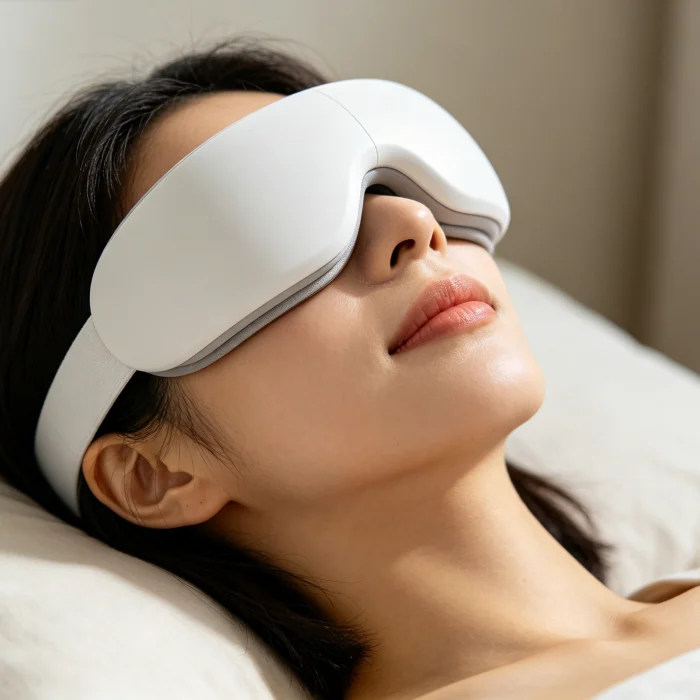
How to Use an Eye Massager Safely (Step by Step)
If you’re new to these devices, here’s a safe routine:
- Clean your face and remove all eye makeup. Oils and mascara can clog the device’s pores or cause irritation.
- Close your eyes and position the device over the orbital bones—not directly over the eyeballs.
- Start on the lowest setting. Use for 5 minutes the first time, then gradually increase to 10–15 minutes.
- Never fall asleep with the device on—even if it has a timer, you might roll over and apply pressure.
- Clean the device after each use with a soft, dry cloth. Bacteria love warm, moist surfaces.
For more detailed instructions on technique, see our guide on whether eye bags can be massaged away.
Frequently Asked Questions
Are eye massage devices safe for daily use?
Yes, most quality devices are designed for daily use, but limit sessions to 10–15 minutes. Overuse can lead to skin irritation or muscle fatigue. Listen to your skin—if it feels sensitive, take a day off.
Can an eye massager damage my eyesight?
Direct pressure on the eyeball or prolonged high-intensity vibration could theoretically cause temporary vision changes, but permanent damage is extremely rare with proper use. Avoid pressing directly on the globe and use the device on the bony orbit.
Are electric eye massagers safe for people with contact lenses?
Always remove contact lenses before using an eye massager. Lenses can trap heat and bacteria, increasing the risk of infection or corneal abrasion. Use the device with bare eyes, then reinsert lenses after cleaning your hands.
Is it safe to use an eye massager after Botox or fillers?
Wait at least two weeks after injectables. The pressure and heat can displace filler or increase bruising. Check with your injector for personalized timing—some recommend waiting up to a month.
Do eye massagers help with migraines or sinus pressure?
Many users report relief from tension headaches and sinus congestion thanks to heat and gentle compression. However, if you have a migraine with aura or a neurological condition, check with your doctor first.
Can children use eye massage devices?
Most manufacturers recommend age 18+. Children’s eye anatomy is still developing, and they may not be able to communicate discomfort. If you’re considering it for a teenager with dry eyes or headaches, consult a pediatric ophthalmologist.
What’s the difference between a heated eye mask and an eye massager?
A heated eye mask provides only warmth, while an eye massager adds vibration, air compression, or both. The massager is more stimulating and can address muscle tension, but the mask is safer for people with sensitive eyes or certain conditions.
In my 12 years as a dermatologist, I’ve seen patients come in with periorbital dermatitis from cheap eye massagers that leaked battery acid or had rough seams. But the well-made ones—especially those with air compression and medical-grade silicone—are generally safe. The key is to never share your device (bacteria transfer is real), clean it after each use, and stop if you feel any sharp pain or visual disturbance. Your eyes are too important to gamble with. If you’re unsure about a specific device, ask your eye doctor—they’re happy to advise.
All Comments 0
Please log in to post a comment.
No comments yet. Be the first to share your thoughts!