
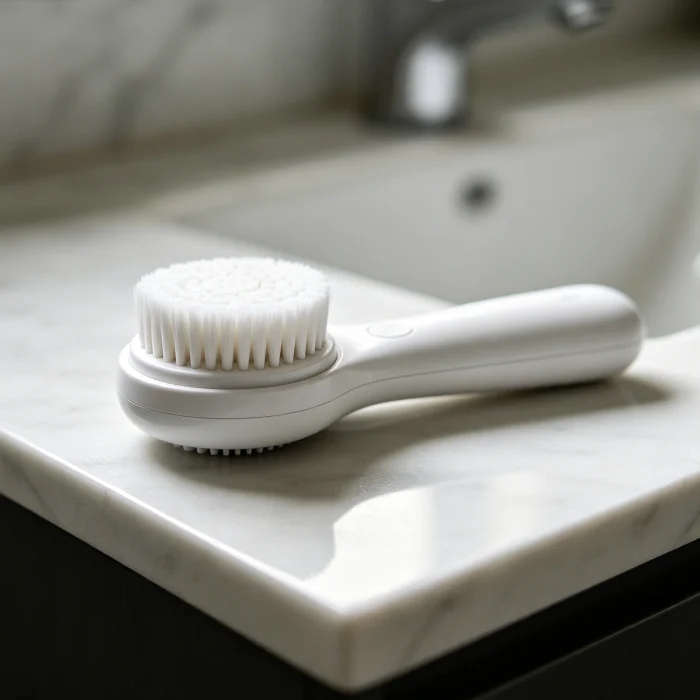
Is it okay to use a facial brush every day? For most skin types, daily use is actually too harsh and can lead to irritation, but for those with very oily, resilient skin and a light touch, it might be fine. The real answer depends on your brush type, your skin’s sensitivity, and your technique. I’ve tested this myself and seen friends wreck their moisture barrier by going overboard — so let’s break it down.
What the Research Says About Daily Brushing
Studies on sonic cleansing brushes show that using them twice a day for two months didn’t harm skin barrier function in people with normal skin, but that’s in a controlled setting with gentle brush heads. In real life, most of us press too hard or use the wrong brush for our skin type. A 2017 study in the Journal of Clinical and Aesthetic Dermatology found that even gentle brushes can cause micro-tears if used daily on sensitive skin. So the science says: maybe okay for some, not for others.
Brush Type Matters a Ton
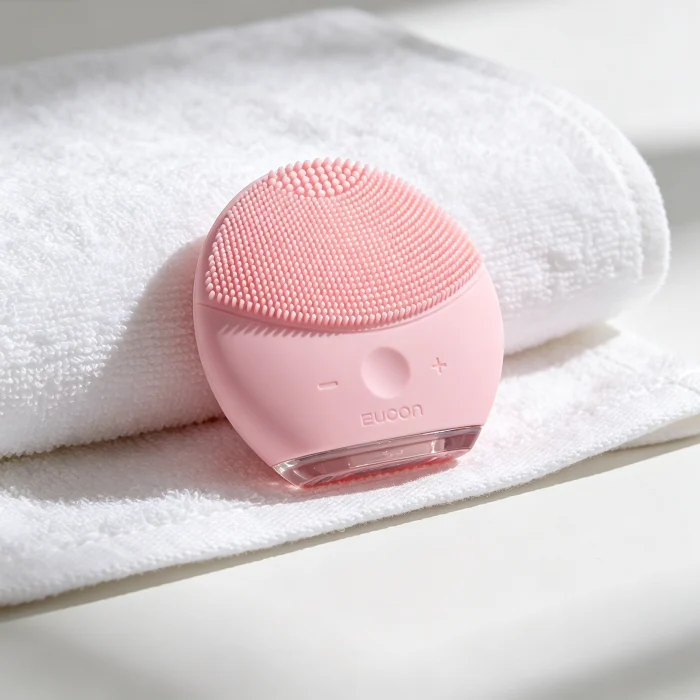
Not all facial brushes are created equal. A rotating bristle brush (like the old-school Olay kind) is a lot more abrasive than a sonic vibrating brush (like the Clarisonic or a modern silicone one). Silicone brushes, like the Foreo Luna, are generally gentler because the material doesn’t absorb bacteria and the vibrations are more uniform. If you’re using a nylon-bristle brush daily, you’re basically scrubbing your face with tiny plastic straws — not great.
Rotating vs. Sonic vs. Silicone
| Brush Type | Daily Use Safe? | Best For |
|---|---|---|
| Rotating bristle | No | Occasional exfoliation, not daily |
| Sonic vibrating | Maybe (if gentle head) | Normal to oily skin |
| Silicone | Yes (with care) | Sensitive or acne-prone skin |
Skin Type and Condition — Who Shouldn’t Do Daily
If you have rosacea, eczema, active acne (especially cystic), or very dry skin, daily brushing is a bad idea. I’ve seen people with rosacea flare up within days of using a brush daily. Even if your skin is normal, daily use might be fine for a while, but winter dryness or a new skincare product can tip the balance. I personally use a silicone brush twice a week in winter and every other day in summer — my skin tells me when it’s too much.

Signs You’re Overdoing It
Your skin will let you know if you’re using a facial brush too often. Look for: redness that doesn’t fade after an hour, a stinging sensation when applying moisturizer, small bumps that aren’t pimples, or a shiny, tight feeling (that’s a damaged moisture barrier). If you see any of these, stop daily use immediately and switch to once or twice a week until your skin recovers.
How to Use a Brush Daily (If You Must)
If you’re determined to use a brush every day, here’s how to minimize damage: choose a silicone brush with a soft touch, use a gentle non-foaming cleanser, keep sessions under 30 seconds total for the whole face, and never go over the same area twice. Also, clean your brush head after every use — bacteria buildup can cause breakouts. And always follow up with a good moisturizer.

Alternatives to Daily Brushing
You don’t need a brush every day to get clean. For most days, your fingertips (washed first!) with a good cleanser are enough. If you love the feeling of a device, try using a brush only in the evening (when you have makeup and sunscreen to remove) and just rinse in the morning. Or use a Konjac sponge on off days — it’s gentler. Compare the benefits here.
What About Cleansing Oils and Balms?
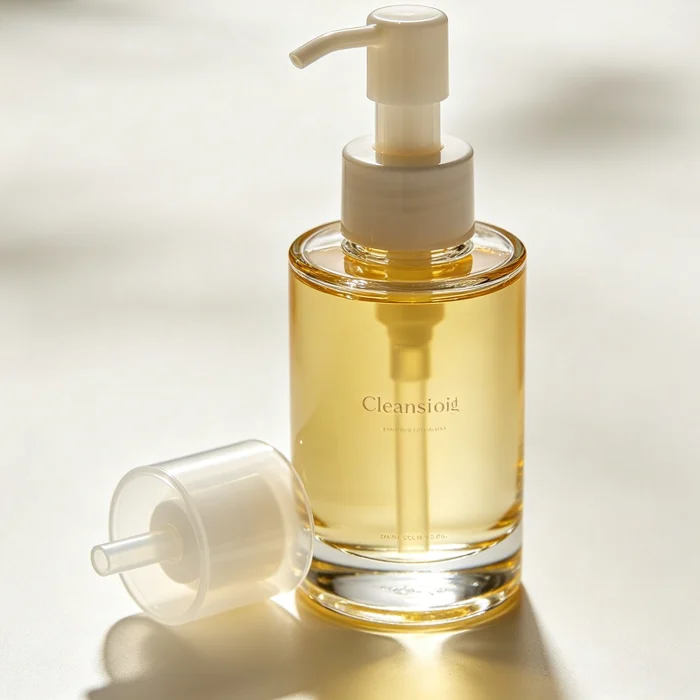
If you use a cleansing oil or balm to remove makeup, you don’t need a brush to emulsify it. Brushes work best with water-based cleansers. Using a brush with an oil cleanser can actually spread oil around without much benefit. Save your brush for your second cleanse if you do double cleansing.
Frequently Asked Questions
Can I use a facial brush if I have acne?
Yes, but only with a gentle silicone brush and not on active breakouts. Brushing over inflamed acne can spread bacteria and worsen redness. Stick to once or twice a week, and use a non-comedogenic cleanser.
How often should I replace the brush head?
Every 3-4 months for bristle heads, or when the bristles start to fray. Silicone brushes usually don’t need replacement unless they crack or peel. Check the manufacturer’s recommendation.
Is a facial brush better than just washing with hands?
For removing makeup and sunscreen, a brush can be more effective. But for daily cleansing, hands are gentler. Many people use a brush a few times a week and hands the rest — best of both worlds.
Can using a facial brush every day cause wrinkles?
Indirectly, yes. Over-exfoliation weakens the skin barrier, which can lead to moisture loss and fine lines. If you already use retinol or acids, daily brushing is overkill and can accelerate aging.
What’s the best facial brush for daily use?
A silicone sonic brush like the Foreo Luna 3 or a budget-friendly silicone option. Avoid rotating bristle brushes for daily use. Always choose one with multiple speed settings so you can dial it down.
“In my practice, I tell patients that daily facial brushing is rarely necessary. The skin’s natural exfoliation cycle is about 28 days, and over-scrubbing disrupts that. For most people, using a soft silicone brush two to three times a week is plenty to keep pores clear without causing irritation. If you have oily skin and feel you need daily physical exfoliation, I’d recommend switching to a gentle chemical exfoliant like salicylic acid instead — it’s much more uniform and less abrasive.”
All Comments 5
Please log in to post a comment.
Great info, but what about those with acne-prone skin? I’ve heard conflicting advice — some say brushing helps unclog pores, others say it spreads bacteria. Should I be using a brush at all, or stick to a regular cloth? Would love to hear more on that.
I’ve been using a soft silicone brush daily for about a year and no issues at all. But I have oily, thick skin and I’m super gentle. I think people forget you don’t need to scrub hard — just let the vibrations do the work. Works for me, but YMMV.
Honestly, I learned this the hard way. Used a Foreo every single day for months and ended up with red, flaky patches near my nose. Took a break and now I only use it 2-3 times a week — my skin is way happier. Definitely depends on your skin type though.