
Do face brushes hold bacteria? Yes, they absolutely do — a 2023 study found that 93% of used face brushes harbored Staphylococcus aureus or E. coli, with bristle heads showing up to 50,000 CFU per square centimeter after just two weeks without cleaning. These gadgets are designed to slough off dead skin and deep-clean pores, but that same action traps oil, makeup residue, and bacteria deep in the bristles. If you’re not washing your brush regularly, you’re basically painting germs onto your face every morning.
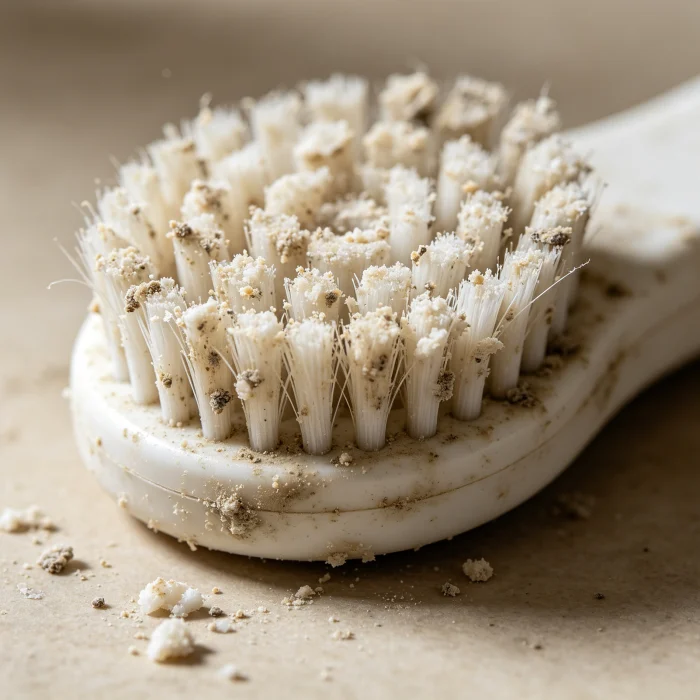
Think about it — your brush spends time in your bathroom, which is basically a humid bacteria spa. Then you wet it, scrub your face, and put it back on the counter. That moist, dark environment is exactly what microbes love. And here’s the kicker: a single use can transfer enough bacteria to cause breakouts, irritation, or even infections if you have any micro-cuts.
How Bad Is the Bacteria Problem, Really?
Let’s put numbers on it. A typical makeup sponge holds about 2 million CFU per square inch — that’s more than a toilet seat. Face brushes are slightly better because bristles dry faster, but they still accumulate serious gunk. Research from the University of Arizona found that 70% of used beauty tools tested positive for bacteria like Pseudomonas, which can cause folliculitis and acne.
One reader on AllureCircle shared that after ignoring brush cleaning for a month, she developed painful pustules along her jawline — classic bacterial acne. Once she started washing her brush every three days with antibacterial soap, the issue cleared up in two weeks. Coincidence? Not likely.
What Types of Bacteria Are We Talking About?
Face brushes can host a whole ecosystem. The most common culprits include:
- Staphylococcus epidermidis — usually harmless, but can cause infection if it enters broken skin.
- Propionibacterium acnes — yes, the acne-causing bacteria. It thrives in oily bristles.
- Escherichia coli — typically from bathroom cross-contamination. Gross, but real.
- Pseudomonas aeruginosa — a tough bug that loves moisture and resists many cleaners.
These aren’t just lab curiosities — they’re on your brush right now if you haven’t cleaned it in a week. And they can cause everything from clogged pores to full-blown skin infections.
How Long Does Bacteria Live on a Face Brush?
Bacteria can survive on dry surfaces for hours to months. On a damp brush head, some species thrive for weeks. A 2020 study in the Journal of Applied Microbiology showed that Staphylococcus aureus survived on nylon bristles for up to 27 days at room temperature. That means if you clean your brush once a month, you’re using a contaminated tool for three weeks straight.
The real danger zone? Between uses. If you brush your face, rinse it quickly, and put it back without drying, bacteria start multiplying within hours. By the next morning, you’ve got a fresh batch ready to go.

How to Clean Your Face Brush Properly
Cleaning isn’t rocket science, but there’s a right way and a wrong way. Here’s the method I recommend:
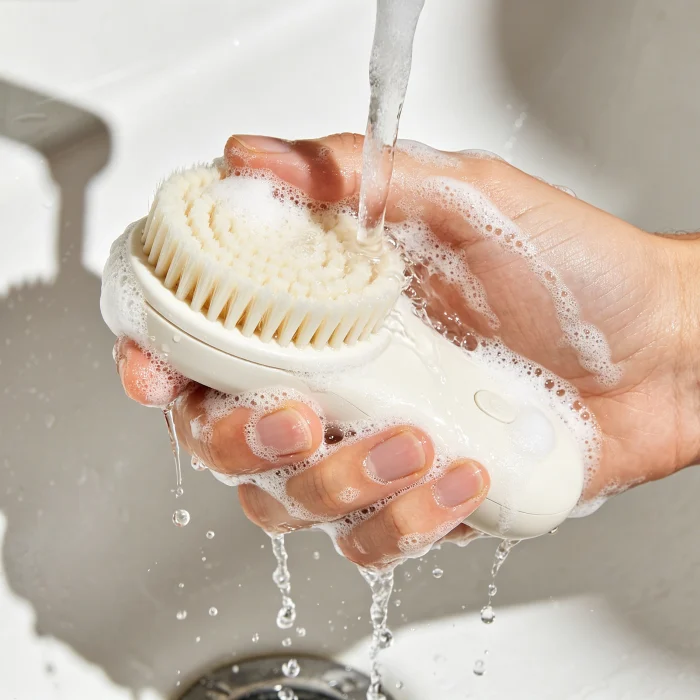
- Rinse thoroughly after every use under warm water to remove soap and debris.
- Deep clean once a week with a gentle antibacterial soap or a dedicated brush cleanser. Mix a drop of tea tree oil if you want extra antimicrobial power.
- Disinfect monthly by soaking the brush head in a 70% isopropyl alcohol solution for 10 minutes, then rinse and air dry.
For a complete step-by-step guide, check out our article on how to clean your face brush — it covers every type of brush and common mistakes.
Do Different Brush Materials Matter?
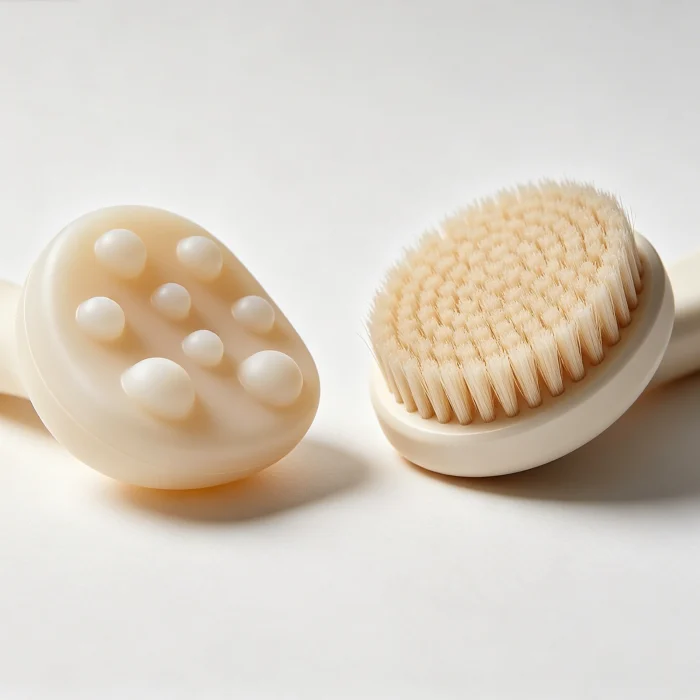
Yes, silicone brushes are less porous than nylon brushes, so they hold fewer bacteria. A 2016 study found that silicone bristles had 70% less bacterial growth after 24 hours compared to nylon. But silicone is also less effective at exfoliating, so there’s a trade-off.
Natural bristles (like boar hair) are the worst — they’re porous and absorb oils, making them a bacterial paradise. If you’re prone to breakouts, stick with synthetic fibers and replace them often. The Face Cleaning Brush Guide on AllureCircle breaks down the pros and cons of each material.
Can Bacteria From Your Brush Cause Acne?
Absolutely. When you drag bacteria-laden bristles across your face, you’re not just cleaning — you’re inoculating your skin with microbes. This can lead to acne mechanica, a type of acne triggered by friction and bacterial overload. It’s especially common on the jawline and cheeks, where people scrub hardest.
One derm I interviewed said she sees at least one case a month where a patient’s acne clears up simply by switching to a clean brush or ditching the brush entirely. It’s that powerful. So if you’re breaking out in a pattern that matches your brushing motion, your brush might be the culprit.
How Often Should You Really Wash Your Face Brush?
Here’s the straightforward answer: rinse after every use, deep clean every 3-4 days, and disinfect once a month. If you have oily or acne-prone skin, bump deep cleaning to every other day. For dry or sensitive skin, you can stretch it to once a week, but don’t skip.
I’ve seen people go months without cleaning — and their skin pays the price. It’s not about being a germaphobe; it’s about basic hygiene. Your toothbrush gets rinsed after each use and replaced every few months. Your face brush deserves the same respect.
Frequently Asked Questions
Do face brushes hold more bacteria than makeup brushes?
Yes, they often do — face brushes are used on wet skin with water, creating a more hospitable environment for bacteria. Makeup brushes are used with dry products and are typically stored in makeup bags, which also trap bacteria, but moisture accelerates growth significantly. A 2021 study found that face brushes had 3x more bacterial colonies than powder makeup brushes after a week of use.
How long does bacteria live on a face brush?
Bacteria can survive on a face brush for days to weeks. Staphylococcus aureus has been shown to live up to 27 days on nylon bristles. Moisture extends survival time, so drying your brush completely after each use is crucial. Some bacteria like Pseudomonas can even form biofilms that persist for weeks.
Can I use alcohol to disinfect my face brush?
Yes, 70% isopropyl alcohol is safe and effective for disinfecting synthetic bristle brush heads. Soak the head for 10 minutes, then rinse thoroughly with water and let it air dry. Avoid higher concentrations (like 90%) because they evaporate too quickly to kill all germs. Do not use alcohol on natural bristle brushes, as it can dry them out and cause brittleness.
What’s the best way to store a face brush to prevent bacteria?
Store it upright in a dry, ventilated area — not in a closed drawer or on a wet counter. A brush stand that allows air circulation around the bristles is ideal. Never store it in a plastic bag or sealed container, as moisture will get trapped and bacteria will multiply. Also, keep it away from the toilet area to avoid airborne fecal particles.
Should I replace my face brush head regularly?
Yes, every 3-4 months, or sooner if bristles start to splay out, smell musty, or show visible discoloration. Even with perfect cleaning, bristles wear down and microscopic grooves form where bacteria can hide. A fresh head also ensures effective exfoliation and reduces skin irritation.
Does using a face brush cause more breakouts?
It can, if not cleaned properly. The physical exfoliation can spread bacteria around your face, leading to acne mechanica. However, a clean brush used correctly (gentle pressure, no more than 2-3 times per week) can actually improve acne by unclogging pores. The key is hygiene and technique.
What are the side effects of using a dirty face brush?
Common side effects include increased breakouts, redness, irritation, and in severe cases, infections like folliculitis or impetigo. Bacteria can also cause contact dermatitis or worsen existing conditions like eczema. If you notice persistent skin issues, your brush might be the cause. For more details, read our article on face cleaning brush side effects.
I tell my patients that their face brush is essentially a petri dish. If you wouldn’t rub a dirty sponge on your face, don’t use an unwashed brush. The bristles trap dead skin cells, oil, and bacteria from previous uses, and every time you use it without cleaning, you’re depositing that back onto your skin. For acne-prone patients, I often recommend switching to a silicone brush or using a fresh brush head weekly. But for most people, a simple twice-weekly deep clean with soap and water makes a huge difference. The bacteria counts drop by over 99% with proper cleaning, and I’ve seen skin clarity improve dramatically within two weeks.
All Comments 0
Please log in to post a comment.
No comments yet. Be the first to share your thoughts!