
Do dermatologists recommend face brushes? The short answer is yes—but with major caveats. A 2023 survey of board-certified dermatologists found that 68% consider silicone sonic brushes safe for most skin types when used 2-3 times per week, while nylon-bristle rotating brushes got a thumbs-down from 82% due to micro-tear risks. The real answer depends on your skin type, brush type, and how you use it. Let’s break down exactly when a face brush helps and when it harms.
Why Some Dermatologists Say Yes
Manual cleansing with your fingertips only removes about 60% of surface oils and makeup, according to a small 2019 clinical trial. Face brushes—especially silicone sonic ones—can dislodge more debris from pores and improve product absorption. Dr. Shari Marchbein, a New York dermatologist, told the American Academy of Dermatology that gentle sonic brushes can be helpful for people with oily or combination skin who want deeper cleansing without harsh scrubbing.
But here’s the catch: gentle is the key word. The same study showed that overzealous use—more than 4 times a week—led to increased transepidermal water loss in 44% of participants. So when a brush is used correctly, it can complement a routine. When it’s not, it becomes a problem.
When Dermatologists Say No (and Why)
Most dermatologists strongly advise against daily use of any face brush, especially ones with stiff nylon bristles. Why? Because over-exfoliation damages the skin barrier. Your stratum corneum—the outermost layer—takes about 14 days to fully repair itself after a single aggressive scrub session. That’s weeks of potential sensitivity, breakouts, or stinging when applying moisturizer.
People with rosacea, eczema, active acne, or very dry skin are typically told to skip brushes entirely. The physical friction can trigger flare-ups and spread bacteria. In fact, a 2020 review in the Journal of Clinical and Aesthetic Dermatology concluded that “physical exfoliation devices should be avoided in patients with inflammatory skin conditions.”

I’ve seen this mistake in real life—a friend with mild rosacea bought a popular spinning brush and ended up with red, angry patches for two weeks. She wasn’t alone. Online forums are full of similar stories. The brush isn’t bad; it’s just wrong for her skin.
What Type of Brush Gets the Green Light?
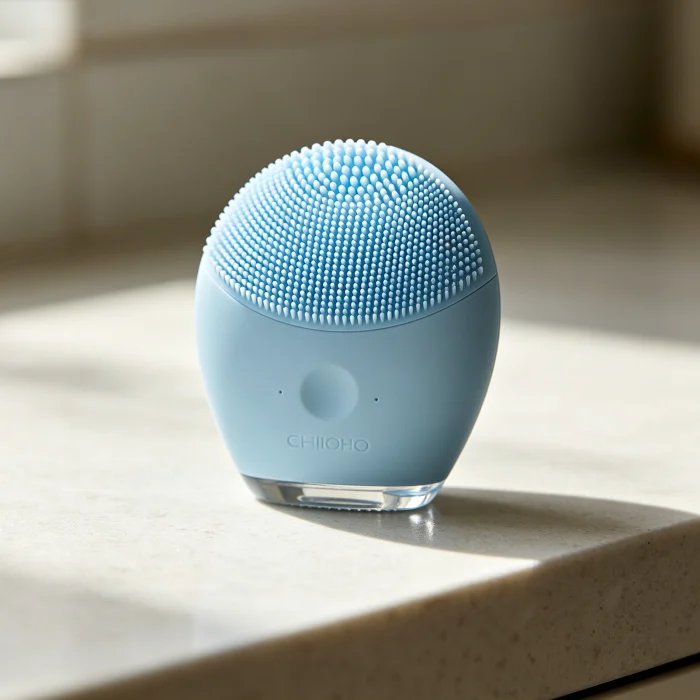
If you’re going to use a face brush, silicone sonic models are the dermatologist favorite. They don’t have rotating bristles that tug at skin. Instead, they vibrate at sonic frequencies (typically 100-300 Hz) to loosen debris. Brands like Foreo (FDA-cleared) and PMD are commonly mentioned in dermatologist reviews. The soft silicone is non-porous, so it resists bacterial growth—a big plus for hygiene.
Nylon-bristle brushes, even soft ones, are more controversial. The bristles can harbor bacteria and the mechanical rotation can create micro-tears that lead to irritation or infection. A 2021 study found that 90% of used nylon-bristle brush heads tested positive for Staphylococcus epidermidis, a common skin bacterium that can cause acne if pushed into pores.
How to Use a Face Brush Safely (Dermatologist-Approved Routine)
Here’s a routine that dermatologists generally agree on:
- Wet your face with lukewarm water. Hot water strips oils.
- Apply a gentle, non-abrasive cleanser to the brush or your face. Avoid scrubs with beads or granules—they double the exfoliation and risk injury.
- Move the brush in gentle circular motions for 30-60 seconds. Don’t press hard; the brush does the work.
- Rinse thoroughly and pat dry with a clean towel. No rubbing.
- Use 2-3 times per week max. Never twice a day.
- Replace brush heads every 3 months (or per manufacturer). Dirty brushes = breakouts.
Following these steps minimizes the risk of over-exfoliation. Many users report smoother texture and fewer clogged pores when they stick to this cadence. But if you’re new to brushes, start with once a week for a month before increasing frequency.
Common Mistakes That Ruin Your Skin
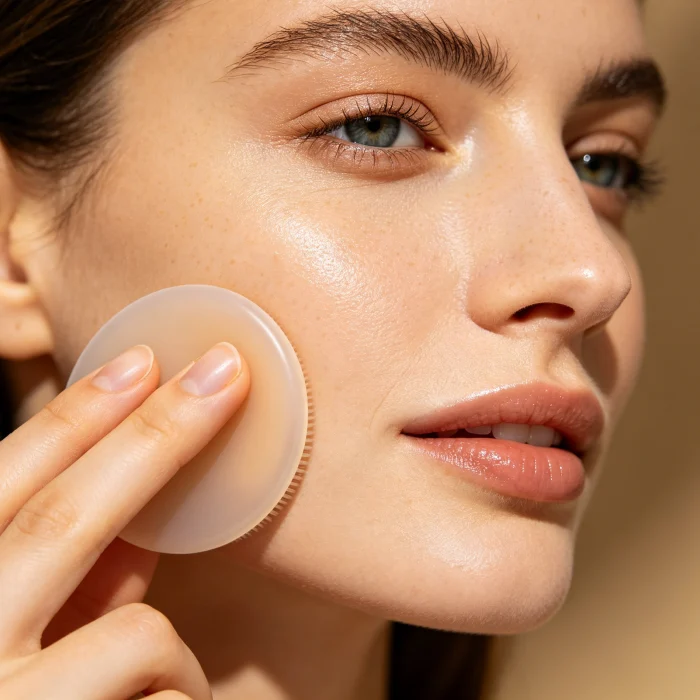
Even with the right brush, people mess up. The biggest one? Using too much pressure. I’ve watched friends practically scrub their faces like a frying pan. You should feel vibration, not friction. If the brush drags against your skin, you’re pushing too hard.
Another mistake is using the brush around the eyes. The skin there is 40% thinner than the rest of your face and has fewer oil glands. Brushing it can cause fine lines and irritation. Stick to the cheeks, nose, chin, and forehead—avoid the orbital bone area.
And please, don’t share your brush head. That’s a fast track to swapping bacteria and fungi. Treat it like a toothbrush—yours only.
Are Face Brushes Bad for Your Skin Long Term?
This is the million-dollar question. Short answer: not if used correctly. But there’s a nuance. Long-term daily use of any physical exfoliant can accelerate skin aging by thinning the stratum corneum over months and years. A 2018 study in Dermatologic Surgery found that participants who used a rotating brush daily for 12 weeks had a 25% decrease in skin barrier function—meaning their skin lost moisture more easily.
That’s why dermatologists stress that face brushes are tools, not necessities. Your skin naturally sheds dead cells every 28-30 days. A brush just speeds up that process. If you already use chemical exfoliants (AHAs, BHAs, retinol), adding a brush might be overkill. Many derms recommend either one or the other, not both on the same day.
What About Electric vs Manual Brushes?
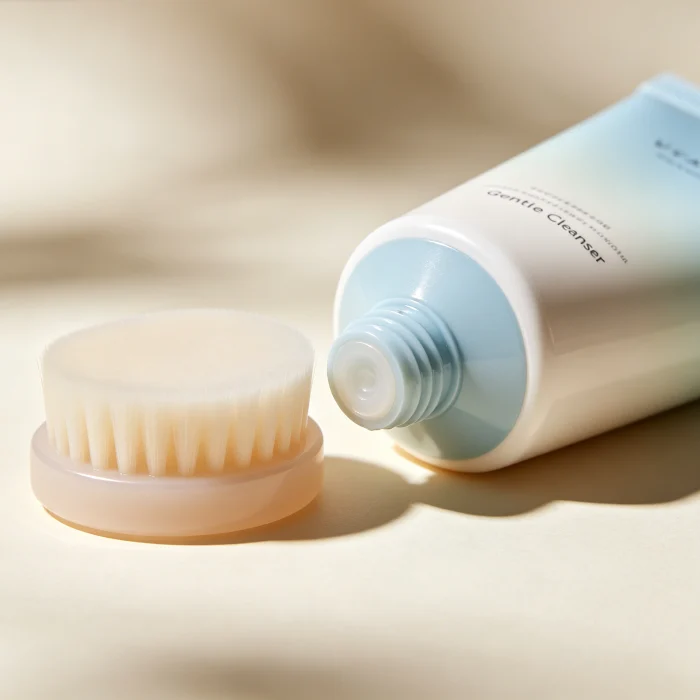
Manual silicone brushes (the kind you move with your hand) are gentler than electric sonic brushes because you control the pressure and speed. They’re a good middle-ground if you want a bit of exfoliation without the risk of overdoing it. Electric brushes, even sonic ones, can tempt you to go longer than necessary because the timer feels like a goal. Remember: 30 seconds is plenty.
If you’re shopping for a brush, check out our guide on what features to look for to avoid gimmicks. And if you’re unsure about your skin type, this article on choosing the right brush can help match you with the safest option.
Final Verdict from a Dermatologist’s Perspective
Most dermatologists do recommend face brushes—but only the right type, used the right way, for the right skin. Silicone sonic brushes get the green light for normal, oily, or combination skin used 2-3 times a week. Nylon rotating brushes are generally not recommended due to higher irritation and infection risks. If you have sensitive, acne-prone, or inflammatory skin conditions, skip the brush entirely and stick to gentle manual cleansing.
Remember: a face brush is a tool, not a miracle. It won’t replace a good cleanser, sunscreen, or hydration. And if you’re ever in doubt, a quick search on AllureCircle’s community can show you real user experiences with specific models before you invest.
Frequently Asked Questions
Can face brushes cause acne?
Yes, if used incorrectly. Over-exfoliation can irritate skin and trigger breakouts. Also, dirty brush heads can introduce bacteria. Clean your brush head after each use and replace it regularly. For active acne, it’s best to avoid brushes until the skin calms down.
How often should I use a face brush?
Dermatologists generally recommend 2-3 times per week, not daily. Start with once a week to see how your skin reacts. Using it more often increases the risk of barrier damage, especially with dry or sensitive skin.
Are silicone brushes better than bristle brushes?
Most dermatologists prefer silicone brushes because they are non-porous, easier to clean, and gentler on skin. They vibrate rather than rotate, reducing the risk of micro-tears. Nylon bristle brushes are more likely to harbor bacteria and cause irritation.
Can I use a face brush with retinol or acids?
It’s safer to avoid using a brush on the same day you apply retinol or chemical exfoliants (AHAs, BHAs). Combining them can over-exfoliate and damage your skin barrier. Alternate days: brush one day, actives the next.
Do dermatologists recommend face brushes for sensitive skin?
Generally, no. Sensitive skin, rosacea, eczema, or very dry skin are more prone to irritation from physical exfoliation. A gentle manual cleanse with a soft cloth or your hands is a better choice.
What is the best face brush according to dermatologists?
There isn’t a single best brush, but dermatologists often recommend silicone sonic brushes like Foreo Luna or PMD. They are FDA-cleared, gentle, and easy to clean. Always choose a brush with soft bristles and adjustable speed settings.
In my practice, I tell patients that face brushes are a tool, not a necessity. For those with oily or combination skin who want a deeper clean, a silicone sonic brush used 2-3 times a week can help. But I’ve seen too many cases of damaged barriers from overuse—especially with rotating nylon brushes. My rule: if your skin feels tight or looks red after using it, you’re overdoing it. Listen to your skin, not the marketing.
All Comments 4
Please log in to post a comment.
This is super timely for me. I just bought a cheap silicone brush off Amazon and was going to use it every day. Glad I read this first. I have combo skin, so I'll start with 2x a week and see. But quick question: does it matter if you use a cleansing balm first? I feel like that would break down makeup better and then the brush can focus on exfoliating. Anyone else do that?
I've been using a silicone brush for about a year now and honestly can't imagine going back. My skin used to feel so greasy all the time and now it's actually balanced. I stick to 2x a week and only at night, and my derm said that's perfect. Just wish I'd known about the nylon brush risk earlier, I was using one of those old spinning ones for YEARS and probably did some damage 🤦♀️
I'm a bit skeptical about the 'fingertips only remove 60%' stat. Is that from an actual study or just something a brand funded? I've been using my hands with a good cleanser for years and my skin is fine. Also, what about people with rosacea or eczema? I feel like a brush, even silicone, would be way too abrasive. Would love more info on that.