
Does HIFU lift your face? Yes, high-intensity focused ultrasound can lift mild to moderate facial sagging, but it’s not a facelift — clinical studies show about 70% of users see visible improvement after one session, with results building over 2-3 months. The treatment works by heating deep layers of skin to trigger collagen remodeling. If you’re in your 30s to 50s and have early laxity, it’s a solid non-surgical option. Just don’t expect the same drama as surgery.
I’ve been through a couple of HIFU sessions myself, and also talked to dozens of users on AllureCircle. The honest truth? It’s not magic. But for the right person, it’s genuinely impressive. Let’s break down what actually happens.
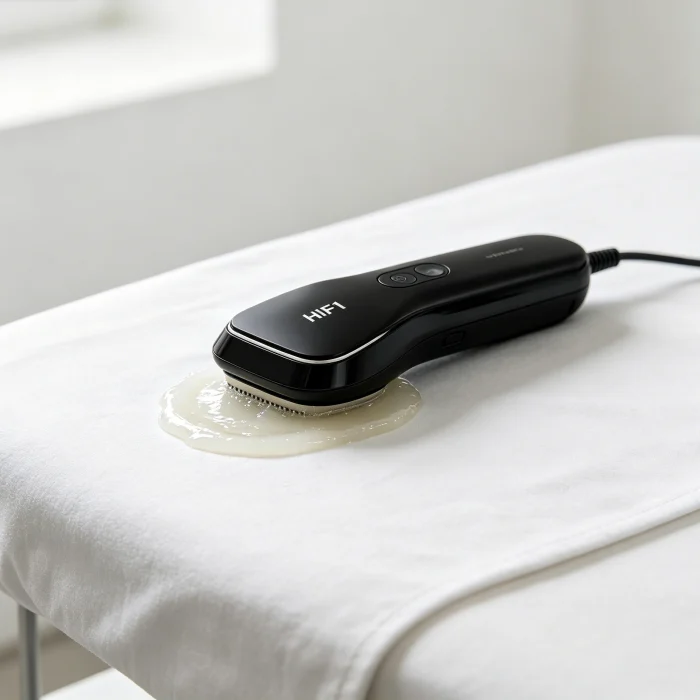
How HIFU Actually Lifts (the Science Part)
HIFU delivers focused ultrasound energy at specific depths — typically 1.5mm, 3.0mm, and 4.5mm under the skin. At the deepest level (4.5mm), it reaches the SMAS layer — the same fibrous tissue surgeons tighten during a facelift. The heat creates tiny coagulation points that kickstart your body’s wound-healing response.
Your fibroblasts get the memo: produce new collagen and elastin. Over the next 8-12 weeks, that fresh structural support literally lifts and tightens the skin. It’s slow but real. A 2018 study in Lasers in Surgery and Medicine showed that over 80% of patients had measurable lifting at 90 days post-treatment.
Real Results: Before and After Expectations
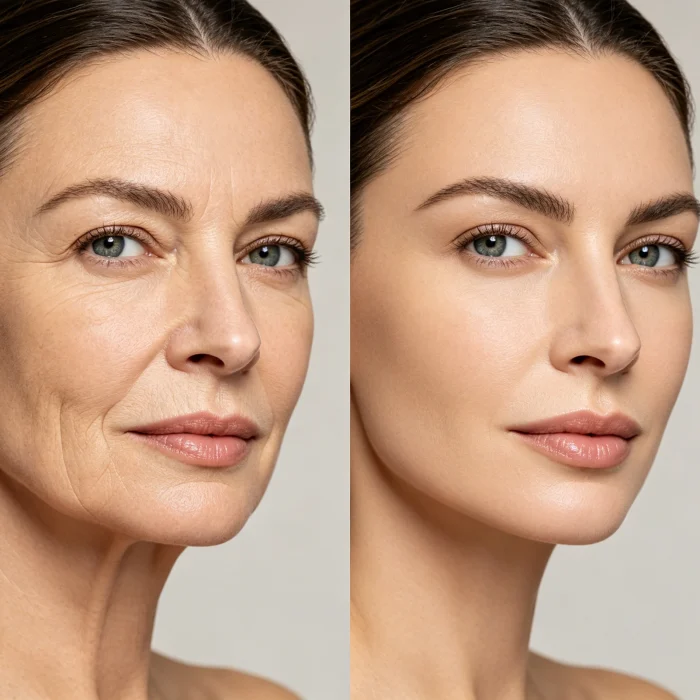
Most people see subtle changes around week 4-6, with peak lift at month 3. The jawline gets sharper, cheek fullness lifts slightly, and marionette lines soften. But here’s the kicker — it’s not a complete facelift. If you have significant jowling or deep nasolabial folds, HIFU alone might underwhelm.

A typical session takes 30-90 minutes depending on area size. Pain varies — some describe it as “tiny electric shocks” or “deep heat.” I personally found it manageable with numbing cream. Side effects? Redness and slight swelling for a day or two, maybe some tenderness when chewing.
How Long Does a HIFU Face Lift Last?
Results typically stick around for 12-18 months. Maintenance sessions once a year can extend that. Your age, skin quality, and lifestyle (sun exposure, smoking, diet) all play a role. I’ve seen users on AllureCircle report that combining HIFU with good skincare and maybe LED light therapy helps results last longer.
HIFU vs. Other Lifting Options (RF, Microneedling, Threads)
You might be wondering how HIFU stacks up against radiofrequency (RF) or microneedling. HIFU vs RF for sagging jawline — which gives faster results? RF heats more superficially and typically needs more sessions. Microneedling with RF can also tighten skin but reaches shallower depths. Thread lifts offer immediate pull but carry more risk.
| Treatment | Depth | Downtime | Results Onset | Duration |
|---|---|---|---|---|
| HIFU | Up to 4.5mm (SMAS) | None to minimal | 4-12 weeks | 12-18 months |
| RF (radiofrequency) | Up to 3mm | None | 2-4 weeks per session | 6-12 months |
| Microneedling + RF | Up to 3.5mm | 1-3 days redness | 4-8 weeks | 6-12 months |
| Thread lift | Subcutaneous | 1-2 weeks | Immediate | 12-18 months |
For at-home options, devices like the HIFU machine sold for home use generally have lower power and won’t reach the SMAS layer. They might give a mild toning effect but won’t replicate professional results. If you’re debating brands, check out Konmison vs Naborui — which face lifting device should I pick? That comparison covers two popular home units.
Who Should NOT Get HIFU?
HIFU isn’t for everyone. Avoid it if you’re pregnant, have active skin infections, severe acne, or autoimmune disorders. If you have a lot of metal implants in your face (like dental braces or plates), the ultrasound can cause discomfort. Also, if you’ve had recent filler or Botox, wait at least two weeks before HIFU — the heat can break down hyaluronic acid filler faster.
Another thing: if your skin laxity is severe — like you can pinch an inch of sagging skin on your cheeks — HIFU likely won’t tighten enough. In that case, a surgical facelift or microneedling might be more appropriate.
Can You Combine HIFU with Other Treatments?
Absolutely. Many clinics pair HIFU with LED light therapy or microneedling for stacked benefits. Just space them out — typically 4 weeks apart. Some people add a chemical peel later for surface texture. The best facial for aging skin in 2026 often involves a combination approach like this.
Oh, and if you’re wondering about post-HIFU skincare — keep it gentle. No harsh exfoliants or retinoids for a few days. Your skin is busy healing and building collagen. Support it with hydration and SPF.
Frequently Asked Questions
Does HIFU work on face?
Yes, HIFU works on the face for mild to moderate laxity. It tightens skin by heating the SMAS layer, stimulating collagen. Results are gradual over 2-3 months. It’s most effective on the lower face, jawline, and cheeks. Not ideal for severe sagging.
How long does a HIFU face lift last?
Typically 12-18 months after one session. Maintenance treatments every year can extend that. Individual results vary based on age, skin condition, and lifestyle. Combining with good skincare and sun protection helps.
Does HIFU facelift work better than RF?
HIFU reaches deeper (4.5mm vs 3mm for RF), so it’s generally more effective for lifting. RF is better for surface tightening and texture. Many people combine both. For the jawline specifically, HIFU often gives faster, more noticeable lift.
Is HIFU good for face if I’m over 50?
It can be, if you have mild to moderate laxity. Over 50, collagen production is slower, so results may be subtler. Some clinics recommend a series of 2-3 sessions. If you have significant jowling, surgery might be a better option.
Can I do a facial after HIFU?
Wait at least one week before any facial that involves massage, heat, or active ingredients. Your skin needs time to recover. Gentle cleansing and moisturizing are fine immediately. Avoid microdermabrasion or peels for 2-3 weeks.
What are the disadvantages of HIFU on the face?
Possible downsides include pain during treatment, temporary redness and swelling, and risk of burns if done incorrectly. Results are not instant and may be subtle. It’s costly ($500-$2000 per session) and not covered by insurance. Also, results don’t last forever.
Does HIFU slim your face?
HIFU can give a slimmer appearance by tightening skin and reducing mild fat pockets, but it’s not a weight loss treatment. It’s more about lifting and contouring than reducing fat volume. For significant fat reduction, consider radiofrequency or ultrasound cavitation.
HIFU is one of the few non-invasive treatments that can actually reach the SMAS layer, which is the same tissue surgeons manipulate during a facelift. That’s why it works better than most other energy-based devices for lifting. But patients need to understand that the lift is gradual and modest. I tell my patients: think of it as a subtle reset button for your collagen, not a time machine. For best results, combine it with a good lifestyle and consistent skincare routine. And please, avoid bargain-priced treatments — quality matters enormously with HIFU.
All Comments 6
Please log in to post a comment.
I tried HIFU twice and honestly felt like it did nothing for me. Maybe my skin is too lax? I'm 52 with some jowls starting. The clinic pushed it as a 'lunchtime facelift' but I think that's overselling. Save your money for a mini lift if you're older.
I'm 38 and considering this, but I'm worried about pain — I heard it can sting. How bad is it really? Also, how long before you saw results? The 2-3 month timeline seems like a lot of waiting for maybe a small change.
I did one HIFU session at 45 and honestly? Saw a decent lift around my jawline after about 2 months. Not dramatic, but enough that people asked if I lost weight. For the price and zero downtime, I'd say it's worth it if you're realistic.