
Is HIFU worth the money? For most people with mild to moderate skin laxity, yes — but only if you choose the right provider and have realistic expectations, since a full face treatment costs $1,500–$4,500 and results take 2–3 months to fully appear. High-intensity focused ultrasound delivers heat deep into the SMAS layer (the same tissue surgeons pull during a facelift), triggering collagen contraction and neocollagenesis. It’s not a quick fix, and it’s definitely not cheap — so let’s break down exactly when it pays off and when it doesn’t.
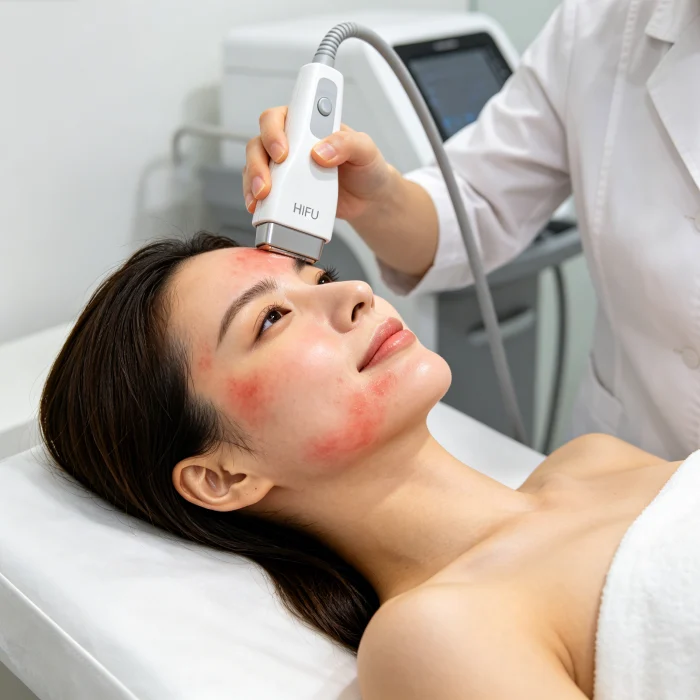
How HIFU Actually Works (and Why the Price Tag Makes Sense)
HIFU machines use focused ultrasound energy to create micro-coagulation points at depths of 1.5 mm, 3.0 mm, and 4.5 mm below the skin. The 4.5 mm transducer targets the SMAS layer — the same fibrous tissue that plastic surgeons tighten during a facelift. By heating those tiny spots to 60–70°C, the tissue contracts immediately and then stimulates your body to produce new collagen over the next few months.
That’s why you can’t judge HIFU by what you see right after the session. The real lift shows up around week 8 to week 12. And because the SMAS is involved, the results can last 12–18 months, sometimes longer with maintenance treatments.
Why the high cost? The machine itself is expensive — clinical units run $30,000–$100,000 — plus the operator needs training and certification. A single session at a reputable clinic typically costs $1,500–$4,500 depending on the area treated and your location.
HIFU vs. Other Treatments: What Your Money Actually Buys
Let’s put HIFU in perspective against other popular non-surgical face-lifting options.
| Treatment | Average Cost | Downtime | Results Duration |
|---|---|---|---|
| HIFU (full face) | $1,500–$4,500 | None to minimal | 12–18 months |
| RF microneedling | $1,000–$2,500 per session | 1–3 days redness | 12–18 months (3 sessions) |
| Thread lift | $2,000–$4,500 | 1–2 weeks swelling/bruising | 12–18 months |
| Surgical facelift | $8,000–$20,000+ | 2–4 weeks | 5–10 years |
HIFU’s big advantage? Zero downtime. You can go back to work the same day. But if you have significant sagging — jowls, deep nasolabial folds, loose neck skin — HIFU alone might not give you the dramatic lift you want. That’s where RF microneedling or a thread lift could be a better investment. For a deeper comparison, check out our guide on HIFU vs RF for sagging jawline.
Who Sees the Best Results (and Who Should Skip It)
HIFU shines for people aged 30–55 with mild to moderate skin laxity — think early jowls, a slightly blurry jawline, or a bit of brow droop. If you’re in your 20s and just want prevention, you’ll probably be disappointed. The treatment works best when there’s already some slack to tighten.
On the flip side, if you have very thin skin, active acne, or a lot of subcutaneous fat, HIFU might cause more harm than good. The ultrasound energy can damage fat cells, leading to depressions or uneven contours. Also, if you’ve had hyaluronic acid fillers in the treatment area within the last 6 months, the heat can break them down faster.
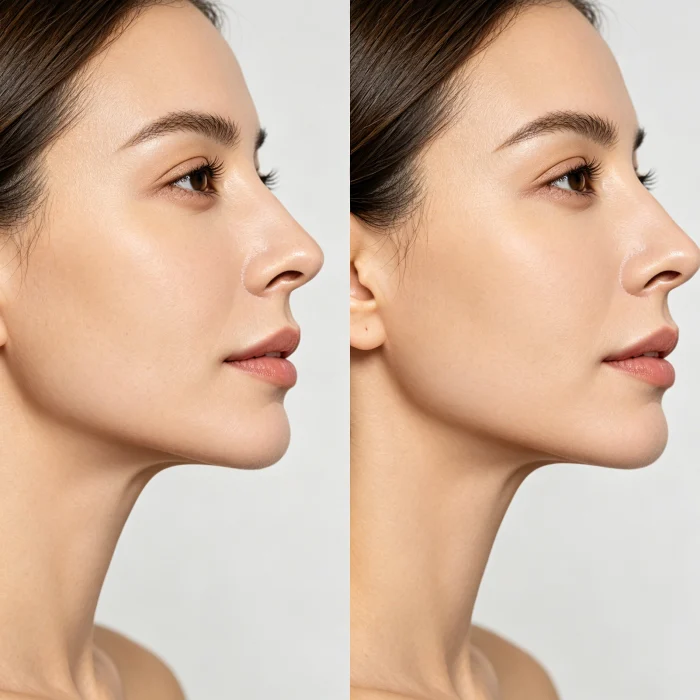
For those with a double chin specifically, HIFU can be effective — but you need a provider who knows how to adjust the depth and energy. Fat reduction happens at the 6–7 mm depth, and if it’s done wrong, you risk swelling or nerve irritation. We’ve seen great before-and-after results on the Reviews & Results page from users who tackled that area with a skilled practitioner.
Pain Level — Real Talk
Let’s be honest: HIFU can hurt. Most people describe it as a deep, prickly heat that feels like being snapped with a rubber band while someone holds a hot stone on your skin. The pain is worst around the jawbone and under the chin, where bone is close to the surface.
Clinics usually offer topical numbing cream, but it only helps the top layers — the real discomfort is deep. Some providers also use nitrous oxide (laughing gas) or a nerve block for sensitive patients. If pain is a big concern for you, ask about these options before booking.
One trick I’ve heard from users on the AllureCircle community: take a pain reliever 30 minutes before your session, and avoid caffeine that day — it seems to make the zaps more intense.
Realistic Timeline: When Will You See the Lift?
If you expect to walk out of the clinic with a snatched jawline, you’ll be let down. Here’s the real timeline:
- Immediately after: Slight redness and mild swelling. The skin might feel tighter right away due to collagen contraction, but it’s subtle.
- Week 2–4: Some people see a temporary “worsening” — the skin looks looser because the treated tissue is remodeling. Don’t panic, it’s normal.
- Week 8–12: The lift becomes visible. The jawline sharpens, brows lift slightly, and nasolabial folds soften.
- Month 6: Peak results. Collagen is fully rebuilt.
- Month 12–18: Results gradually fade as natural aging continues. Maintenance sessions can prolong the effect.
For a deeper dive into longevity, read How Long Do HIFU Machine Results Last for Face?.

At-Home HIFU Devices — A Warning
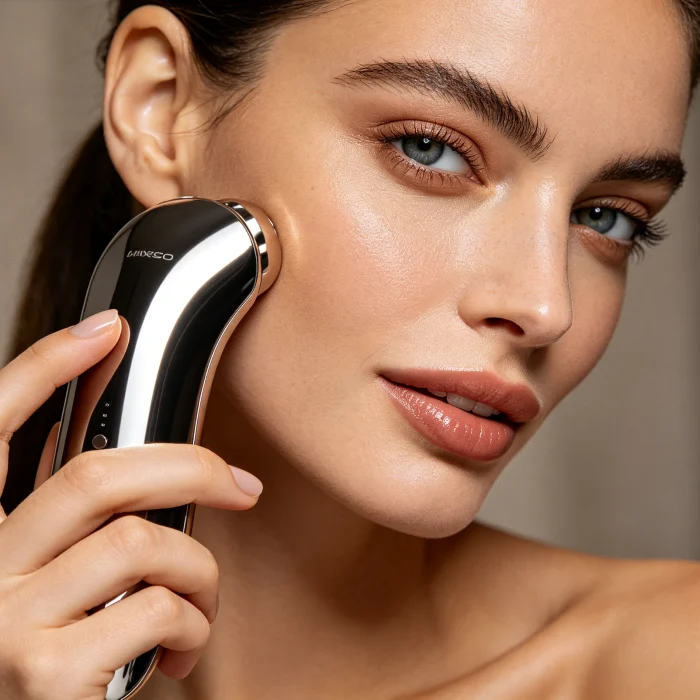
You might have seen those “HIFU machines” on Amazon for $200–$500 claiming to do the same thing at home. They don’t. Most of those devices use lower ultrasound frequencies that can’t reach the SMAS layer, or they’re actually RF devices mislabeled as HIFU.
Real clinical HIFU requires a high-power transducer and precise control over depth and energy — things you won’t get for under $1,000. At best, home devices give you a mild warming effect; at worst, they can cause burns if used incorrectly. If you’re looking for an at-home alternative, consider a quality RF device or an LED mask — check out our Facial Machines category for options that actually work.
Cost Breakdown — Is HIFU Worth It per Session?
Let’s do the math. A $3,000 HIFU session that gives you 12–18 months of lift works out to about $167–$250 per month. Compare that to monthly filler appointments ($600–$800 per syringe) or a $20,000 facelift. For mild to moderate laxity, HIFU can be a solid mid-range investment.
But here’s the catch: most people need 1–2 sessions to get optimal results. Some clinics package two sessions for $4,000–$6,000. If you’re on a tight budget, you might consider combining HIFU with other devices — for example, using a microcurrent device at home to maintain the lift between professional sessions. Check out our budget-friendly beauty device guide for ideas.
Reddit and Real Reviews — What Users Actually Say
If you’ve been scrolling through Reddit (and who hasn’t?), you’ll see a mix of ecstatic posts and horror stories. The common themes: people who did their research and went to an experienced provider are thrilled. People who chased a deal or went to a medspa with a new machine are often disappointed.
One user on the AllureCircle community shared that she saw her jawline transform after a single session, but she also had swelling for three days and some tenderness for a week. Another user tried a cheap clinic and noticed zero change — she later found out they used a machine that didn’t reach the SMAS depth. Moral of the story: the provider matters more than the machine.
If you’re comparing different brands like Konmison vs Naborui for at-home devices, read our Konmison vs Naborui comparison — but remember, those are not clinical HIFU.
Safety — Is HIFU Dangerous?
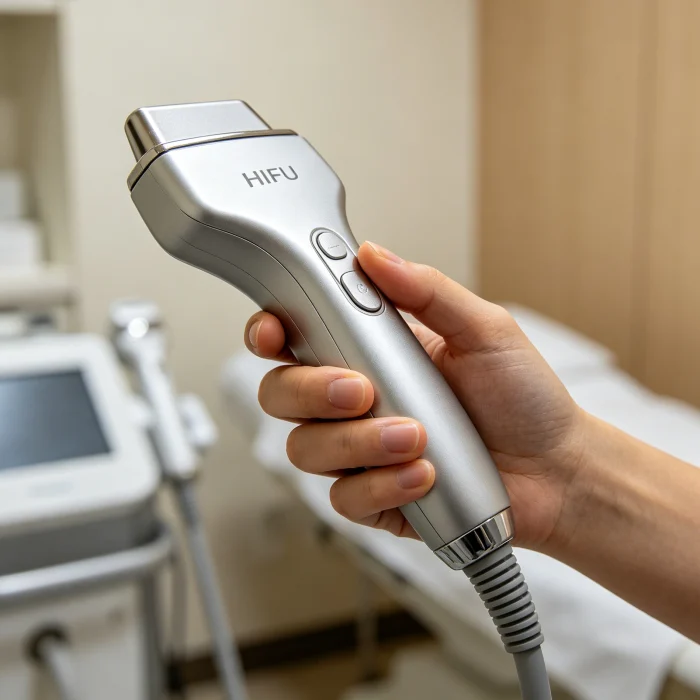
When performed by a trained professional, HIFU is very safe. The FDA cleared it for brow lifts and neck tightening, and serious complications like nerve damage or burns are rare — about 1 in 1,000 cases in experienced hands. But it’s not risk-free. Side effects can include temporary redness, swelling, tingling, and in rare cases, bruising or small blisters.
The real danger comes from inexperienced providers who use too much energy on thin skin or over the same spot repeatedly. Also, avoid HIFU if you are pregnant, have an active infection in the area, or have a history of keloid scarring.
Frequently Asked Questions
Is HIFU worth it for face?
Yes, for people with mild to moderate skin laxity who want noticeable lifting without surgery. It works best on the lower face, jawline, and neck. Results take 2–3 months to show and last 12–18 months.
Does HIFU really work for double chin?
Yes, if done correctly. HIFU can target fat at 6–7 mm depth and tighten the skin. However, results vary depending on the amount of fat and skin laxity. Multiple sessions may be needed.
Why is HIFU so expensive?
The machines cost $30,000–$100,000, plus operator training, certification, and insurance. You’re paying for technology, expertise, and safety. A session at a reputable clinic typically costs $1,500–$4,500.
Why is HIFU so painful?
Because the energy reaches deep into the SMAS layer, where there’s little fat to cushion the heat. The sensation is often described as deep, prickly heat or rubber band snaps. Pain varies by person and energy level.
Are HIFU results permanent?
No. The collagen produced eventually breaks down as part of natural aging. Results typically last 12–18 months. Maintenance sessions can prolong the effect, but the aging process continues.
Is HIFU safe?
Yes when performed by a trained professional. The FDA cleared it for brow lifts and neck tightening. Side effects like redness and swelling are common and temporary. Serious complications are rare.
What is HIFU good for?
HIFU is best for lifting the brow, jawline, and neck, reducing jowls, and tightening loose skin on the lower face. It’s also used for body contouring on areas like the abdomen and arms.
Can I use an at-home device instead of professional HIFU?
No. At-home “HIFU” devices lack the power and precision to reach the SMAS layer. They may give a mild warming effect but won’t produce the same lift. For real results, you need a clinical treatment.
HIFU is a powerful tool for skin tightening, but it’s not a one-size-fits-all solution. In my practice, I see the best results in patients aged 35–55 with mild to moderate skin laxity who have realistic expectations. The key is selecting the right probe depth and energy level — too conservative and you get no lift, too aggressive and you risk fat loss or burns. I always advise patients to prioritize provider experience over price. A well-done HIFU session can delay the need for a facelift by years, but a poorly done one can create contour irregularities that are difficult to fix.
All Comments 5
Please log in to post a comment.
I’m considering this but worried about the pain. The article says it's tolerable, but I've heard some providers don't numb you properly. How bad was it for those who've done it? Also, $1,500–$4,500 is a big range – any tips on what to look for in a provider to make sure you get the best bang for your buck?
I’m skeptical. My friend spent $4,000 and barely saw any change. Sure, the science sounds good, but I think it's highly dependent on the person's age and skin condition. For younger people with mild laxity maybe, but if you're 55+ like me, you might just be burning cash. Has anyone here over 50 had good results?
I had HIFU done about 6 months ago, spent $3,200 on a full face. Honestly, I was disappointed at first because the results were so subtle. But around month 3, I noticed my jawline was tighter and my cheeks looked fuller. It's not a facelift, but for someone like me who was too nervous for surgery, it was worth it. Just don't expect magic.