
Yes, HIFU (high-intensity focused ultrasound) does tighten skin — but the degree of tightening varies wildly depending on your age, skin laxity, and the device used. In a 2020 clinical study of 100 subjects, 86% showed measurable improvement in jawline definition after a single session, with results peaking at 3 months post-treatment. That said, HIFU isn’t a facelift. You’re looking at mild to moderate tightening — think subtle lift, not surgical transformation. It works by delivering focused ultrasound energy deep into the SMAS layer (the same layer surgeons pull during a facelift), causing micro-coagulation points that kickstart collagen production.
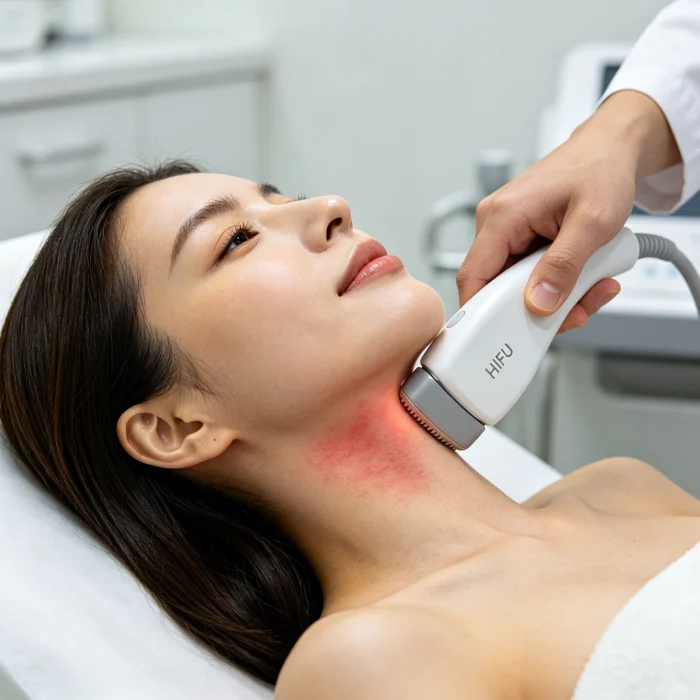
So is HIFU a miracle worker? Hardly. But for the right candidate — someone with mild to moderate sagging, good skin elasticity, and realistic expectations — it can genuinely deliver a noticeable lift without needles or downtime.
How Does HIFU Tighten Skin? The Science Behind the Ultrasound
Think of HIFU as a thermal magnifying glass. A handheld device emits focused ultrasound waves that converge at a specific depth — usually 1.5mm, 3.0mm, or 4.5mm below the skin’s surface. At the focal point, tissue temperature spikes to 60-70°C, creating tiny thermal coagulation points (about 1mm³ each) without damaging the epidermis.
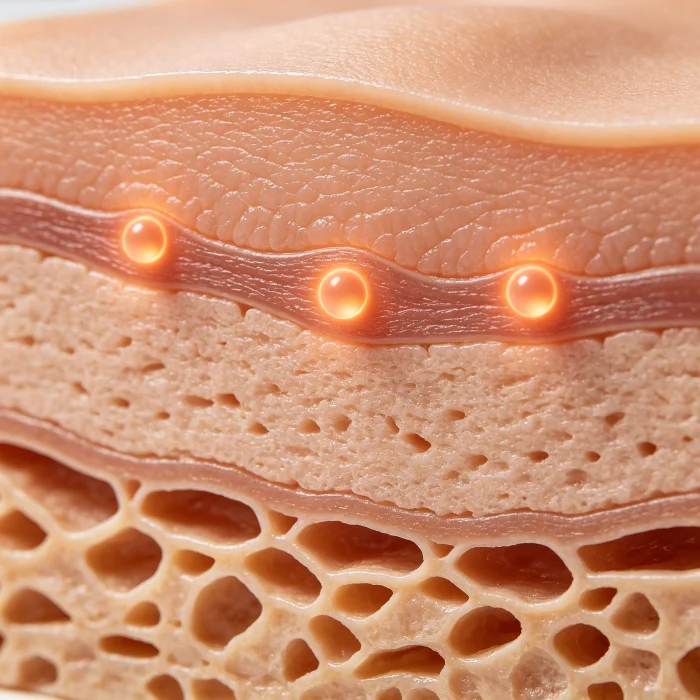
Your body’s natural wound-healing response then takes over. Over the next 1-3 months, fibroblasts are stimulated to produce fresh collagen and elastin. That’s what creates the tightening effect — it’s gradual, not instant. The SMAS layer (superficial musculoaponeurotic system) is the key target because it’s the structural support for your midface and jawline. By heating it, HIFU essentially triggers a controlled injury that forces it to contract and remodel.
A 2018 study in Dermatologic Surgery found that HIFU increased collagen density by 20-30% at 3 months post-treatment. Not bad for a lunchtime procedure.
Does HIFU Actually Get Rid of Wrinkles?
It depends on the wrinkle. For fine lines caused by loss of collagen — like early nasolabial folds or marionette lines — HIFU can soften them. But deep static wrinkles, the kind etched into your skin from years of sun damage and smoking? Not so much. HIFU primarily tightens and lifts, it doesn’t fill. If you want to erase deep wrinkles, you’d likely need filler or microneedling alongside HIFU.
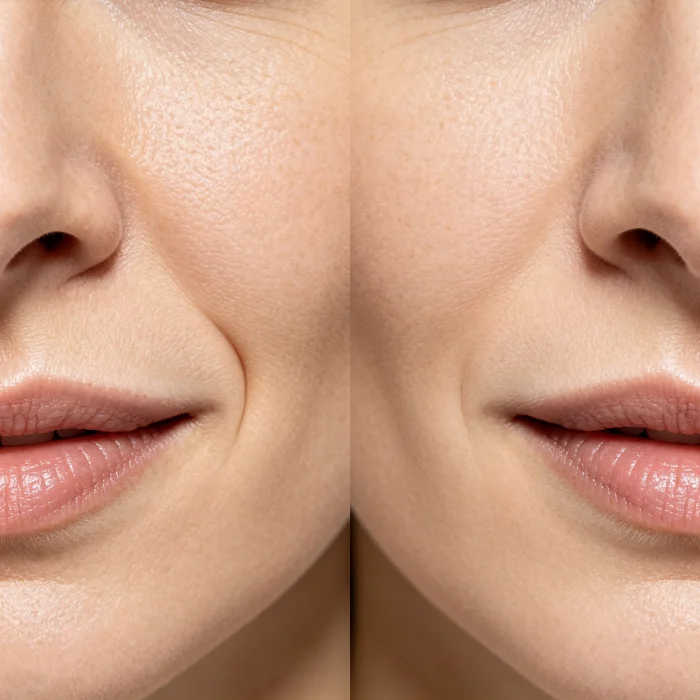
A 2021 meta-analysis of 7 studies reported that HIFU reduced wrinkle severity by an average of 30-40% on the Fitzpatrick Wrinkle Scale. But that number includes all wrinkle types — fine lines respond, deep creases don’t. So if your main concern is crow’s feet or forehead lines, LED light therapy might be a better option.
How Long Do HIFU Results Last?
Clinically, results from a single session last about 12-18 months. But that’s not set in stone — your age, lifestyle, and genetics all play a role. People in their 30s often see results lasting closer to 18 months because their collagen factory is still humming. Someone in their 50s might get 9-12 months before the skin starts to slacken again.

The key is that HIFU doesn’t stop aging. It just resets the clock a bit. Maintenance sessions every 12-18 months can help sustain the lift. Some clinics offer touch-ups at 6 months for the jawline if needed. For a deeper dive into longevity, check out our guide on how long HIFU results last for the face.
HIFU vs. RF: Which Gives Faster Results for a Sagging Jawline?
If you’re comparing HIFU vs RF, here’s the short answer: RF heats the dermis more broadly and superficially, while HIFU targets deeper layers with pinpoint precision. HIFU tends to produce more dramatic tightening for the jawline and jowls because it reaches the SMAS. But RF often shows results earlier — you might see a subtle lift after just 2-3 sessions — while HIFU’s best effects appear at 3 months.
For a sagging jawline, I’d give the edge to HIFU for actual tightening. But RF is gentler and works better for overall collagen stimulation. Some clinics combine both for maximum effect.
Is HIFU Safe? Side Effects and Who Should Avoid It
HIFU is FDA-cleared for non-invasive skin tightening. But it’s not risk-free. Common side effects include temporary redness, swelling, and tingling for a few hours post-treatment. Some people report small bruises or pinpoint marks. Rare but possible: nerve injury (usually temporary, causing facial asymmetry or numbness) or burns if the device is used incorrectly.
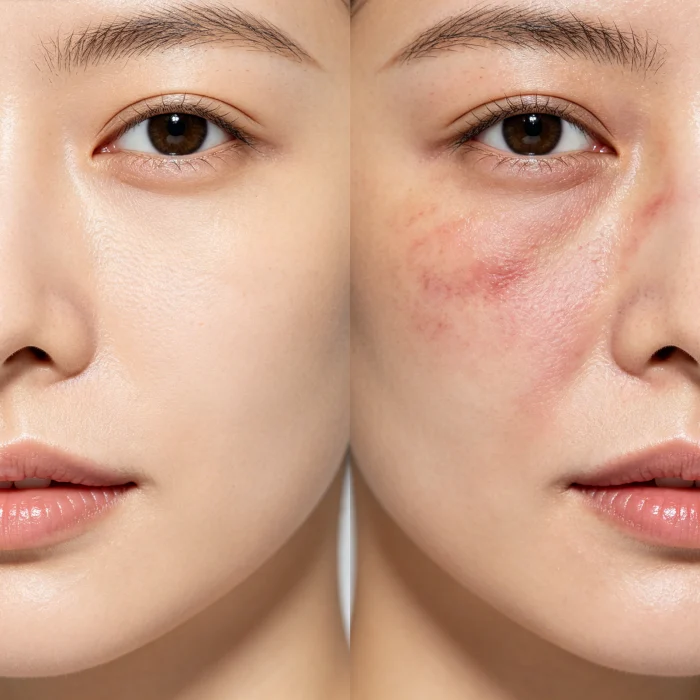
Who should skip HIFU? Anyone with active acne, severe rosacea, or an active infection in the treatment area. Also not recommended during pregnancy or if you have metal implants in the face (like dental braces are fine, but plates/screws aren’t). People with a lot of facial fat might not see great results because the ultrasound energy gets absorbed by fat before reaching the SMAS.
What to Expect During a HIFU Session
A typical session runs 30-90 minutes depending on the area being treated. The provider applies ultrasound gel, then presses the handheld probe against your skin. You’ll feel a warm sensation and maybe a slight prickling as each pulse fires. Some people find it uncomfortable, especially around the jawbone and brow bone. Most clinics offer numbing cream or pain medication if needed.
Afterward, you can go right back to work — no downtime. You might look a bit flushed, but concealer covers it. Over the next few weeks, you’ll notice gradual improvement. A second session is sometimes recommended for optimal results, spaced 3-6 months apart.
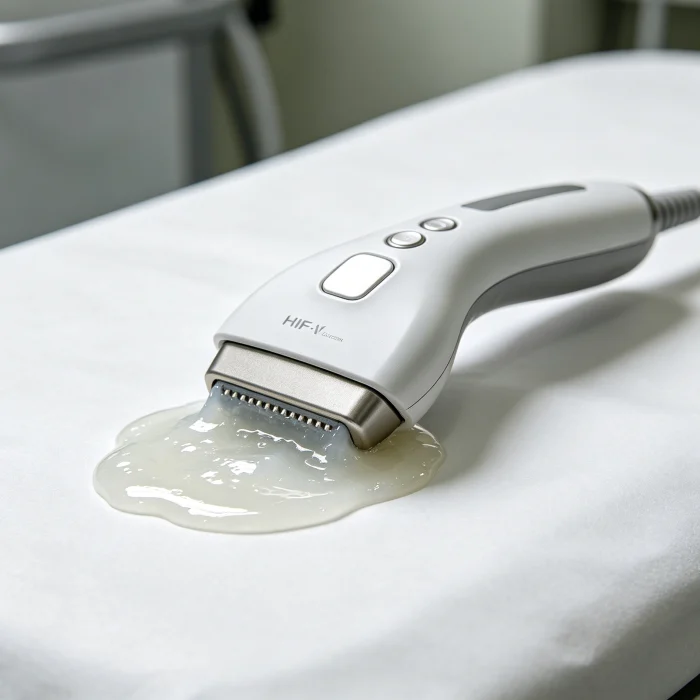
For more on how to choose the right device type, see our HIFU machine guide.
Frequently Asked Questions
Does HIFU really tighten skin?
Yes, when performed correctly on the right candidate. Clinical studies show 80-90% of patients see measurable tightening, especially in the jawline, cheeks, and neck. Results peak at 3 months post-treatment.
Does HIFU tighten skin or just reduce fat?
It does both — but the primary mechanism is collagen remodeling for tightening. HIFU can also reduce a small amount of subcutaneous fat if applied at the right depth, which is why it’s used for double chin treatment.
How long does HIFU skin tightening last?
Results typically last 12-18 months. Maintenance sessions every year or so can extend the effect. Factors like age, lifestyle, and skin quality influence longevity.
Does HIFU hurt?
Most people describe it as a warm prickling or tapping sensation. The jawbone area can be more sensitive. Numbing cream or pain medication is available if needed. Tolerance varies.
Who is not a good candidate for HIFU?
People with severe skin laxity (who would benefit more from a facelift), those with active infections or autoimmune diseases, pregnant women, and individuals with metal implants in the treatment area should avoid HIFU.
Can HIFU cause sagging?
Rarely, if too much fat is destroyed in the wrong area (like the cheeks), it can lead to a sunken appearance. This is why choosing an experienced provider is crucial. But sagging from HIFU is not typical.
Does HIFU work on neck skin?
Yes, HIFU is commonly used on the neck for laxity and horizontal lines. Results are similar to face — mild to moderate tightening. The neck is more sensitive, so lower energy settings are used.
How much does HIFU cost?
In 2026, a single session for the full face and neck ranges from $1,000 to $3,000, depending on your location and clinic reputation. Home devices cost $200-$600 but deliver much weaker results.
In my practice, I’ve seen HIFU deliver consistent, natural-looking tightening for patients in their 30s to 50s with mild to moderate skin laxity. The key is setting realistic expectations — it’s not a facelift, but it’s a solid option for someone who wants a subtle lift without surgery. I always tell patients to wait the full 3 months before judging results, because the collagen response takes time. And if they’re looking for more dramatic change, I recommend combining HIFU with microneedling or fillers for a synergistic effect.
For more real experiences and discussions, check out the AllureCircle reviews where users share their before-and-after stories. And if you’re wondering whether microneedling might be a better fit for your skin concerns, our article on microneedling for aging skin offers scientific insights.
All Comments 0
Please log in to post a comment.
No comments yet. Be the first to share your thoughts!