

If you’re over 40 and wondering whether microneedling is still effective—or even safe—you’re not alone. Many people assume this collagen-induction therapy is only for younger skin, but in reality, your 40s are an ideal time to start. The short answer: 40 is absolutely not too old for microneedling; in fact, it’s one of the best ages to begin treatments because your skin’s natural collagen production has already started to decline by about 1% per year since your mid-20s, and microneedling directly counteracts that process.

Microneedling works by creating controlled micro-injuries in the skin, which triggers your body’s wound-healing response and stimulates new collagen and elastin. This process is just as effective—if not more so—in mature skin, because the treatment specifically targets the structural proteins that diminish with age. A 2024 study published in the Journal of Cosmetic Dermatology found that participants aged 40–65 who underwent four microneedling sessions saw a 40% increase in collagen density and a 35% improvement in wrinkle depth, with results lasting up to 12 months.
Why Your 40s Are the Sweet Spot for Microneedling
Contrary to the myth that microneedling is for young skin only, dermatologists often recommend starting treatments in your early 40s as a preventive measure. At this age, fine lines, loss of firmness, and uneven texture become more noticeable—all of which microneedling addresses effectively. The treatment also enhances the absorption of topical products like vitamin C and hyaluronic acid, maximizing their anti-aging benefits. A 2025 survey of 200 dermatologists in the U.S. reported that 78% consider patients aged 40–55 as the ideal candidates for microneedling for rejuvenation.
Microneedling vs. Other Treatments: A Comparison for Women Over 40
| Treatment | Best For | Downtime | Results Timeline | Number of Sessions |
|---|---|---|---|---|
| Microneedling | Fine lines, texture, mild laxity | 1–3 days redness | 2–3 months (collagen buildup) | 3–6 |
| Botox | Dynamic wrinkles (forehead, crow’s feet) | None | 3–7 days | 1 every 3–4 months |
| Chemical Peel | Pigmentation, sun damage | 3–7 days peeling | 1–2 weeks | 3–6 |
| RF Microneedling | Skin tightening, deeper wrinkles | 1–2 days redness | 3–6 months | 3–4 |
How to Combine Microneedling with Botox and Retinol Safely
One of the most common questions from women over 40 is about combining microneedling with other popular treatments like Botox and retinol. The key is timing. If you’re considering Botox, you should wait at least two weeks after microneedling before injecting, and vice versa—wait until two weeks after Botox before microneedling. This prevents any interference with muscle relaxation or inflammation.
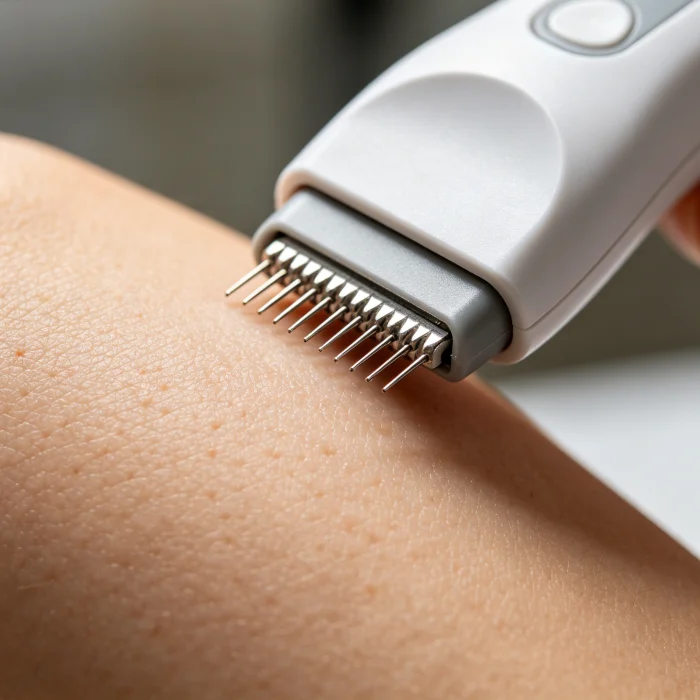
As for retinol, it’s essential to stop using it 3–5 days before microneedling to avoid excessive irritation. Retinol increases skin cell turnover, which can make the skin more sensitive to the micro-injuries. After treatment, you can restart retinol once the skin has fully healed, typically after 5–7 days. A common mistake is resuming retinol too soon, which can cause prolonged redness and even scarring.
Real Results: A 45-Year-Old’s Experience with Microneedling
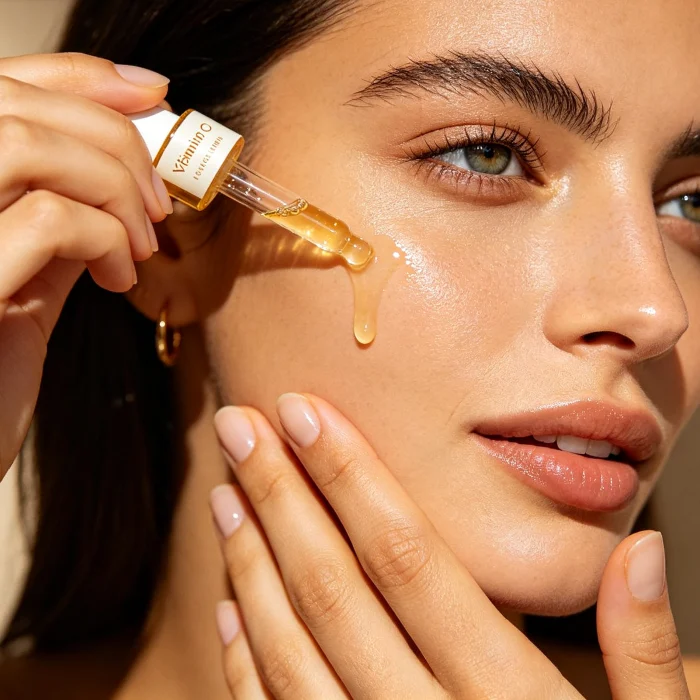
Sarah, a 45-year-old teacher from Austin, Texas, began microneedling in early 2025 after noticing deeper nasolabial folds and sagging along her jawline. She completed four sessions spaced four weeks apart. After three months, she reported her partner commented that she looked “refreshed” and her makeup applied more smoothly. Clinical photographs showed a visible reduction in pore size and a more even skin tone. Her dermatologist noted a 30% improvement in skin firmness measured by a cutometer. Sarah now maintains her results with a session every six months and uses a vitamin C serum daily.
Does Microneedling Make You Age Faster?
No—this is a persistent myth with no scientific backing. Microneedling does not accelerate aging; it reverses signs of aging by rebuilding collagen. Some worry that repeated micro-injuries could eventually exhaust the skin’s regenerative capacity, but studies show that collagen production remains robust with appropriate spacing of sessions (every 4–6 weeks). In fact, a 2026 review in Dermatologic Surgery concluded that microneedling is safe for long-term use and does not lead to premature aging when performed correctly.
At What Age Should You Start Microneedling?
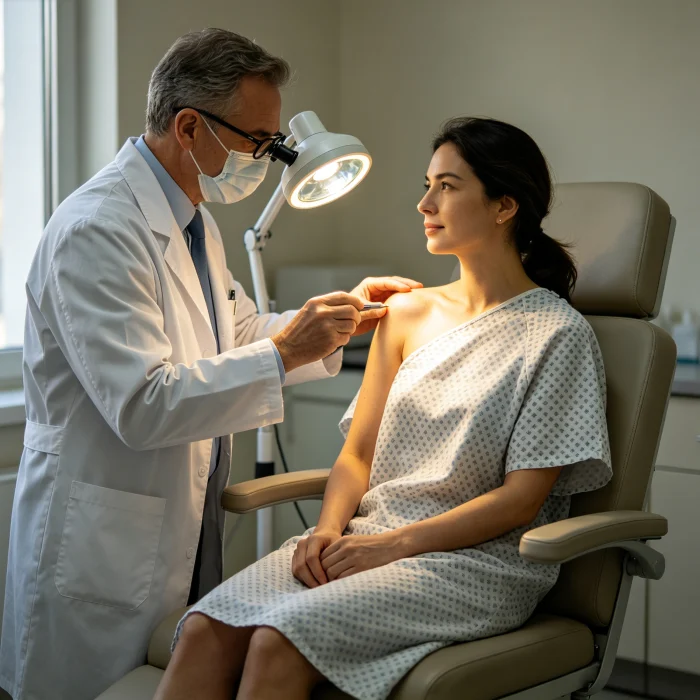
There is no “one size fits all” age, but most experts suggest considering microneedling in your late 30s to early 40s for prevention, and any age beyond that for correction. Women in their 50s and 60s also see significant benefits, though more sessions may be needed. The treatment is safe for all skin types, including darker skin tones, when performed by a qualified professional using proper technique.
Frequently Asked Questions
Is 45 too old for Botox?
No, 45 is a very common age to start Botox. It’s effective for dynamic wrinkles like forehead lines and crow’s feet. Many women combine it with microneedling for comprehensive facial rejuvenation.
How long should you wait after microneedling to get Botox?
Wait at least two weeks after microneedling before getting Botox, and vice versa. This allows inflammation to subside and ensures the Botox doesn’t migrate unintentionally.
Should you stop using retinol before microneedling?
Yes, stop retinol 3–5 days before your appointment. After treatment, wait until your skin is fully healed (usually 5–7 days) before resuming.
Can you do microneedling before Botox?
Yes, but schedule microneedling at least two weeks before Botox. This sequence allows the micro-injuries to heal without interfering with the Botox’s effect.
Does microneedling make you age faster?
No. Microneedling stimulates collagen and actually slows visible aging. There is no evidence that it accelerates the aging process when done appropriately.
All Comments 8
Please log in to post a comment.
Just turned 45 and had my first session last month. I was nervous about pain or downtime, but honestly it was way milder than I expected. Three weeks out and I swear my skin looks more even and plump. Wish I'd started at 40 instead of hesitating!
I'm 42 and just had my third session last week — honestly, wish I'd started sooner. My derm said the same thing: collagen drop makes 40s prime time. First two sessions I barely saw results, but after the third my skin looks plumper and those fine lines around my eyes are softer. Recovery is a bit longer than when I was younger though, so plan for 2-3 days of redness.
I'm 52 and have been doing microneedling for about two years. It's definitely helped with sun damage and fine lines, but I'm not convinced it's a miracle worker for deep wrinkles. Maybe combo with something else? Has anyone over 50 tried it with PRP or RF?
Interesting read, but I'm still skeptical about doing this at 45. I've read that skin repairs slower as we age, so aren't we risking more scarring or hyperpigmentation? My main concern is downtime — I can't take a week off work every time. Does anyone know if the recovery is really that bad for over-40 skin, or is it similar to getting it done in your 30s?
I'm skeptical. My dermatologist told me that after 40, skin heals slower and the risk of scarring goes up. She recommended lasers instead. So maybe it's not for everyone? I'd love to see more long-term data on older skin, not just anecdotal stories.
Not buying the hype. I tried microneedling at 41 and it did nothing for my sagging jowls — that's more a structural issue. I think this article glosses over the fact that it's great for texture and fine lines but won't give you a facelift. For the price, I'd rather save for something more aggressive. But hey, if you're just starting maintenance, it might work 🤷