
Is HIFU facial better than fillers? The short answer is no — they target completely different problems. HIFU (high-intensity focused ultrasound) lifts and tightens sagging skin by heating deep tissue to 60–70°C, triggering collagen contraction, while fillers restore lost volume in areas like cheeks, nasolabial folds, and lips. A 2017 study in the Journal of Cosmetic and Laser Therapy found that 86% of HIFU patients saw visible lifting after one session, but results are subtle and take 2–3 months to fully appear. Fillers, on the other hand, give immediate volume but don’t tighten skin at all.
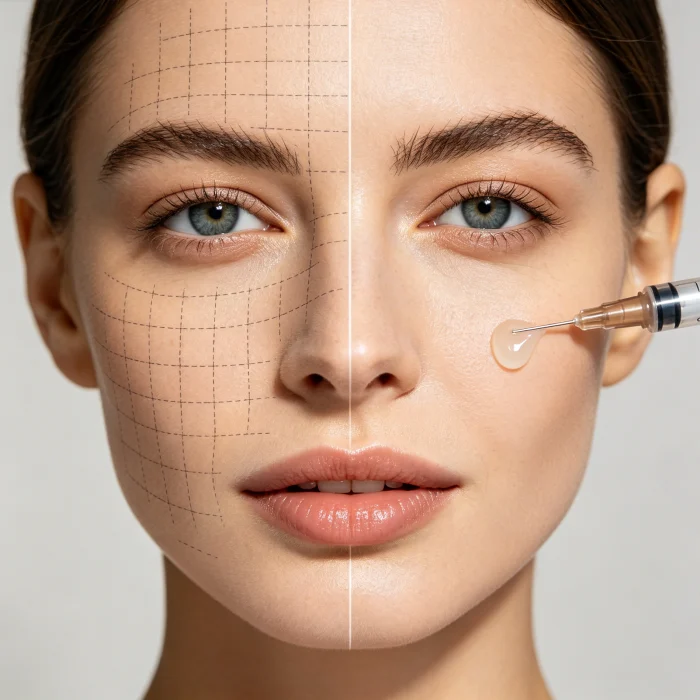
So if you’re trying to decide between the two, you first need to figure out what’s actually bothering you. Is your skin feeling loose along the jawline or cheeks? That’s a skin laxity issue. Or do you have deflated-looking cheeks, deep smile lines, or hollow temples? That’s volume loss. Most people in their 40s and 50s have a mix of both — and that’s where things get interesting.
I’ve seen dozens of before-and-afters from users in our community, and the ones who are happiest are those who understood this fundamental difference before spending money. Let me walk you through how each treatment works, what to expect, and how to choose.
How HIFU Works — And What It Actually Does
HIFU delivers focused ultrasound energy through the skin’s surface to the SMAS layer — the same tissue surgeons tighten during a facelift. That energy creates micro-coagulation points, which kickstart your body’s natural healing response. Over the next 8–12 weeks, new collagen and elastin form, gradually lifting and firming the skin.
A typical session lasts 30–90 minutes depending on the area. You’ll feel a warm pricking sensation — some describe it as mild electric shocks. There’s no downtime, but you might have slight redness or swelling for a few hours. Most people need 1–2 sessions for optimal results, with effects lasting 12–18 months.
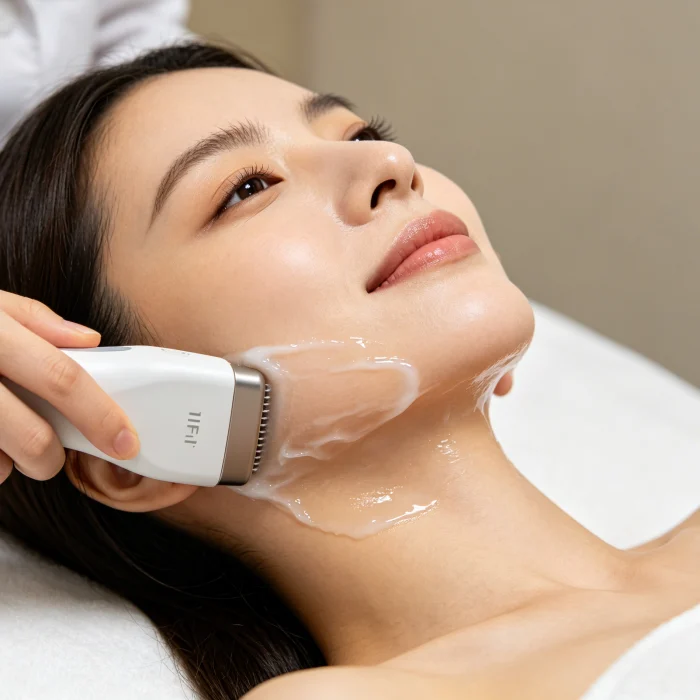
Does it hurt? I’m not going to sugarcoat it — it’s uncomfortable for some, especially around the jawbone and under the chin. But most people tolerate it fine with just topical numbing cream. The device matters too; professional machines like Ultherapy and Sofwave have built-in safety features that reduce discomfort.
One thing that surprises people: results aren’t instant. You might see a little tightening right after the session, but the real lift comes weeks later. This is where a lot of people get disappointed because they expect immediate change.
How Fillers Work — And What They Can’t Do
Dermal fillers — usually made of hyaluronic acid — are injected directly into areas where volume has been lost. They plump and lift by taking up space under the skin. Results are visible immediately, but they don’t tighten sagging skin at all.
Common areas for fillers: cheeks (to restore midface volume), nasolabial folds, marionette lines, temples, and lips. The effect lasts 6–18 months depending on the specific product and where it’s placed. Thicker fillers like Juvederm Voluma last longer than thinner ones like Restylane Silk.
The biggest advantage of fillers is that you see the change right away — and if you don’t like it, you can dissolve them with hyaluronidase. That reversibility is a huge comfort factor for many people. But they come with risks: bruising, swelling, lumps, and — in rare cases — vascular occlusion (blocking a blood vessel), which can cause tissue death if not treated immediately.

I’ve seen people overdo fillers, especially in the cheeks, ending up with that puffy “pillow face” look. That’s because fillers add volume but don’t support the skin — if the skin is loose, more filler just makes it heavier and saggier over time. That’s a real thing called “filler fatigue.”
HIFU vs Fillers: Side-by-Side Comparison
| Factor | HIFU | Fillers |
|---|---|---|
| Primary effect | Lifting and tightening sagging skin | Restoring lost volume, smoothing wrinkles |
| Results visible | 2–3 months after treatment | Immediately |
| Duration of effect | 12–18 months | 6–18 months (varies by product) |
| Downtime | None (mild redness hours) | 1–3 days (bruising/swelling) |
| Reversibility | Not reversible (collagen is natural) | Reversible with dissolver |
| Risk of overdone look | Low (natural-looking lift) | Moderate (if overfilled or poor placement) |
| Best for | Mild to moderate skin laxity | Volume loss, deep lines, hollow areas |
Looking at this table, it’s clear they’re not really competitors — they’re teammates. That’s why many aesthetic doctors recommend combining them. You’d do HIFU first to tighten the foundation, then add fillers to restore volume where needed. The result is more natural and longer-lasting than either alone.
Who Should Choose HIFU Over Fillers (and Vice Versa)
This is where the rubber meets the road. Let me break it down based on what you’re dealing with.
Choose HIFU if: You’re in your 30s to 50s and noticing that your jawline isn’t as defined as it used to be, or you have mild jowls, or your brows are starting to droop. You want a natural lift without adding volume. You’re okay waiting a couple months to see the final result. You’d rather not have anything injected into your face.
Choose fillers if: Your main issue is hollow temples, sunken cheeks, deep nasolabial folds, or thin lips. You want immediate change. You’re comfortable with needles and the small risk of side effects. You don’t have significant skin laxity — or you’re planning to address that separately.
Choose both if: You have both laxity and volume loss — which is most people over 40. A combination approach gives the most comprehensive rejuvenation. Just make sure you see an experienced practitioner who knows how to sequence the treatments.

I’ve seen people try to use HIFU for deep nasolabial folds, and it barely touches them — because those folds are caused by volume deficit, not skin looseness. On the flip side, piling filler into a sagging midface can make the face look heavier. Knowing your anatomy is half the battle.
Cost Comparison: HIFU vs Fillers
HIFU treatments typically cost $1,500–$4,000 per session depending on the area and the clinic. You’ll likely need 1–2 sessions, so total cost can be $1,500–$8,000. Fillers range from $600–$1,200 per syringe, and most areas need 1–3 syringes. That’s $600–$3,600 per treatment. Over time, fillers need more frequent touch-ups (every 6–18 months), while HIFU results last 12–18 months.
If you’re playing the long game, HIFU can be more cost-effective. But you can’t put a price on getting the right treatment for your actual concern. Wasting money on the wrong procedure is the most expensive mistake.

What the Research Says
A 2020 systematic review in Dermatologic Surgery analyzed 26 studies on HIFU for face and neck tightening. They found that patient satisfaction rates ranged from 65% to 95%, with most studies reporting significant improvement in skin laxity. The effects were dose-dependent — higher energy levels gave better results but also more discomfort.
For fillers, the evidence is even stronger. Hyaluronic acid fillers are among the most studied cosmetic treatments. A 2018 meta-analysis in Aesthetic Surgery Journal concluded that HA fillers are safe and effective for volume restoration, with satisfaction rates above 90% in most studies. But neither treatment can stop aging — they just reset the clock a bit.
Risks and Downsides You Should Know
No treatment is risk-free. With HIFU, the most common side effects are temporary redness, swelling, and tenderness. Rare but serious: nerve injury (usually temporary), burns, or uneven results. Make sure your practitioner uses a device with real-time skin temperature monitoring.
With fillers, risks include bruising, swelling, infection, lumps, and — in rare cases — vascular occlusion. Always go to a licensed medical professional (nurse, PA, or doctor) who knows facial anatomy. Never let a medspa with minimal training inject you.
One more thing: if you already have fillers and you’re considering HIFU, wait at least 3 months. The heat from HIFU can theoretically accelerate filler breakdown, though studies are limited. Better safe than sorry.

If you’re curious about how HIFU stacks up against other tightening treatments like RF, check out our guide on HIFU vs RF for sagging jawline. And for more on how long HIFU results last, see this complete guide.
For a broader look at anti-aging options, our expert guide to reversing wrinkles covers everything from devices to professional treatments.
Frequently Asked Questions
Can HIFU replace fillers for nasolabial folds?
Not really. Nasolabial folds are mostly a volume issue — the skin has lost fat and collagen. HIFU tightens skin but doesn’t add volume. Fillers or fat grafting are better for that specific concern.
How many HIFU sessions do I need for visible lifting?
Most people see best results after 1–2 sessions, spaced 3–6 months apart. Some clinics recommend a touch-up session every 12–18 months to maintain the lift.
Is HIFU painful? Does it require anesthesia?
You’ll feel a warm prickling or mild electric sensation. Most clinics apply topical numbing cream for 30–60 minutes beforehand. Pain tolerance varies, but it’s generally manageable.
Can I have HIFU if I’ve had fillers before?
Yes, but wait at least 3 months after your last filler session. The heat from HIFU might accelerate filler breakdown, though evidence is limited. Always inform your practitioner about any previous treatments.
Which is more cost-effective in the long run: HIFU or fillers?
HIFU has a higher upfront cost ($1,500–$8,000) but results last 12–18 months. Fillers cost $600–$3,600 per session but need touch-ups every 6–18 months. Over 5 years, HIFU can be cheaper if results are maintained.
Who is NOT a good candidate for HIFU?
People with severe skin laxity (significant jowls or loose skin) may need a surgical facelift instead. Also, those with active acne, infections, or autoimmune conditions should avoid HIFU. Pregnant women should also wait.
Can HIFU cause fat loss?
Yes, if used improperly. Over-treatment or using too high energy on a thin face can break down fat cells. A skilled practitioner will adjust settings based on your facial anatomy. This is less of a risk with fillers.
“I see patients all the time who come in asking for ‘the best’ treatment, but there’s no universal winner. HIFU and fillers solve different problems. My advice: come in with a specific concern, not a treatment name. If your skin is loose, HIFU is your friend. If you’ve lost volume, fillers are the answer. And if you’re over 45, you probably need both. The most natural results come from treating the root cause, not just following a trend.”
All Comments 0
Please log in to post a comment.
No comments yet. Be the first to share your thoughts!