
Is HIFU on face worth it? For most people with mild to moderate skin laxity, a single session costs $500-$2,000 and can deliver noticeable lifting that lasts 12-18 months — but it’s not a facelift, and pain levels vary wildly between devices. HIFU uses focused ultrasound energy to heat tissue deep in the SMAS layer, the same layer surgeons tighten during a facelift. The heat creates micro-coagulation points that trigger collagen production over 2-3 months. If you’re looking for a non-invasive alternative to surgery and can tolerate some discomfort, it’s one of the most effective options available — but you need to know what you’re getting into.
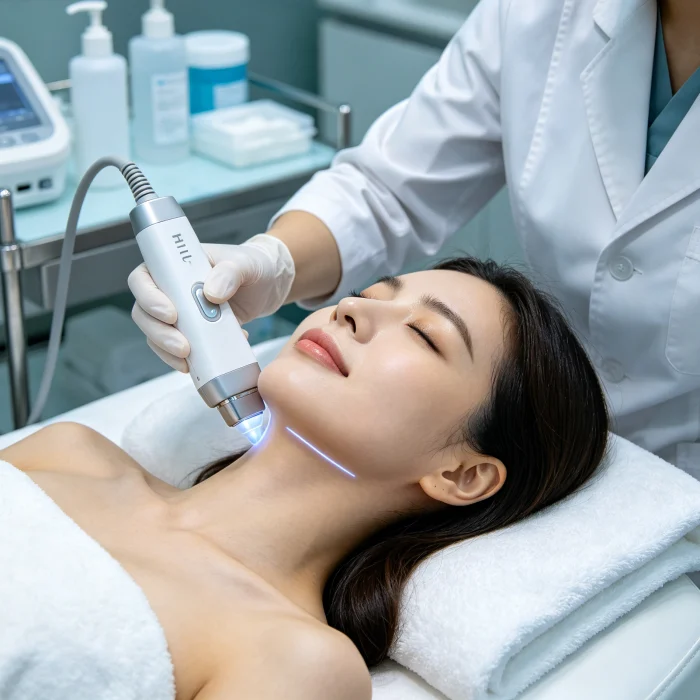
Let’s cut through the marketing hype. HIFU stands for High-Intensity Focused Ultrasound, and it’s been FDA-cleared for brow lifts since 2009. The technology itself is solid — multiple studies show it can lift the brow, tighten the neck, and define the jawline. But results depend heavily on the device used, your age, your skin thickness, and the technician’s skill.
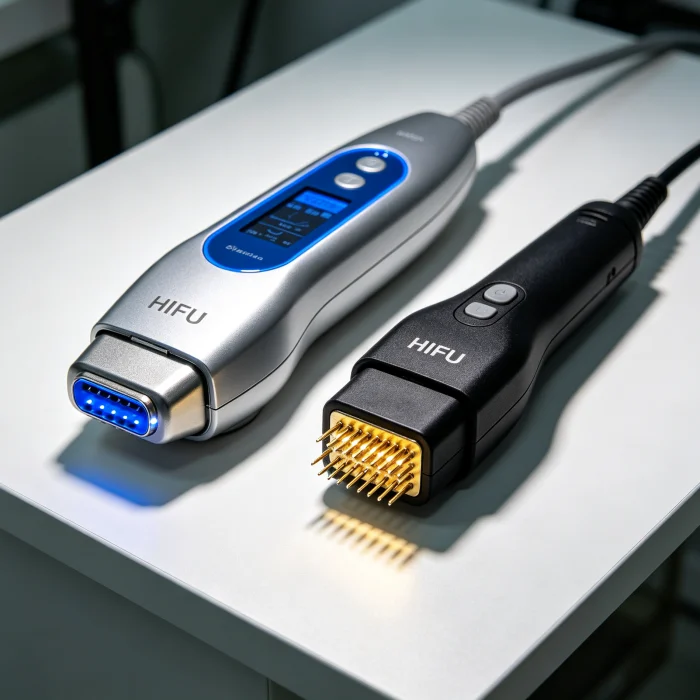
I’ve seen people walk out of a clinic after thirty minutes looking like they had a subtle, natural lift — no needles, no downtime. I’ve also seen people waste $1,500 on a cheap device at a medspa that did absolutely nothing. The difference? The machine matters. Brands like Ultherapy (the gold standard) and Sofwave have the most clinical evidence. Cheaper alternatives often lack the power to reach the right depth.
How HIFU Actually Works on Your Skin
Ultrasound energy is focused to a specific depth — typically 1.5mm, 3.0mm, or 4.5mm below the skin surface. The 4.5mm depth targets the SMAS layer, which is what holds your facial structure. The 3.0mm depth heats the dermis to stimulate collagen. The 1.5mm depth treats fine lines on the surface. A good treatment uses all three.
The heat creates tiny thermal coagulation points — think of them as micro-injuries. Your body’s healing response kicks in, producing new collagen and elastin over the next few weeks. That’s why results aren’t instant. Most people see gradual improvement starting around week 4, with peak results at 3-6 months.
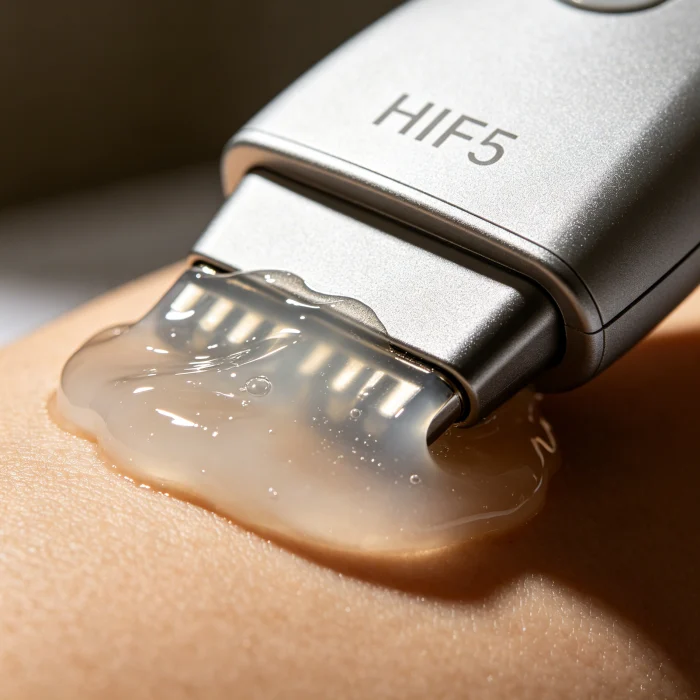
One thing the brochures won’t tell you: HIFU can be genuinely painful. The sensation is often described as sharp electric shocks or deep heat pangs, especially along the jawline and under the chin. Some clinics offer numbing cream or nitrous oxide — ask before you book. If you have a low pain tolerance, this might not be worth the money.
Who Gets the Best Results?
HIFU works best for people in their 30s to early 60s with mild to moderate skin laxity. If you’re in your 20s and just want prevention, save your cash — you’re better off with sunscreen and a healthy lifestyle. If you’re over 65 with significant sagging, HIFU will likely disappoint. Surgery or a combination of treatments (like microneedling plus HIFU) may be more realistic.
Skin thickness matters too. People with very thin skin may not be good candidates because the ultrasound energy can reach bone or cause fat atrophy. Conversely, thicker skin (common in men) responds beautifully. A good provider will do a skin assessment before treating.
HIFU vs. Other Non-Invasive Tightening Treatments
You’ve probably seen radiofrequency (RF) devices like Thermage or Forma. RF heats the dermis more broadly than HIFU — it’s gentler but also less powerful for lifting. For a direct comparison, check out our guide on HIFU vs RF for sagging jawline. Many clinics now combine both for better results.
LED light therapy, like red light panels, is another popular at-home option. It stimulates collagen too, but at a much shallower depth. It won’t lift a sagging jawline — but it can improve skin texture and fine lines as maintenance. See our breakdown of does LED light really tighten skin for details.
Microneedling, especially with radiofrequency (RF microneedling), is a strong competitor. It creates deeper micro-wounds and delivers heat directly into the dermis. For some people, RF microneedling gives more noticeable tightening than HIFU, especially for loose pores and mild laxity. The trade-off: more downtime (redness, peeling).
How Much Does HIFU Cost and How Long Do Results Last?
Prices range from $500 to $2,000 per session for the full face. Neck treatment adds $200-$500. Most people need one session per year after an initial treatment. You can stretch results to 18 months with good skincare — SPF, retinoids, and avoiding rapid weight loss.
Our complete guide on how long HIFU results last for face covers the timeline in detail. The short version: expect visible lift for about a year, with collagen benefits fading gradually. Maintenance sessions every 12-18 months are typical.
Risks and Side Effects — What Nobody Talks About
HIFU is generally safe when done correctly, but side effects happen. The most common: temporary redness, swelling, and tingling that lasts a few hours to a few days. More serious risks include burns (if the device is not calibrated), nerve damage (rare, but can cause temporary numbness or weakness), and fat loss in the treated area.
Fat atrophy is the big one — if the ultrasound is focused too shallowly or the energy is too high, it can destroy subcutaneous fat. This can leave indentations or a gaunt look. It’s not common, but it’s possible. Always go to a provider who has done hundreds of HIFU treatments and knows how to adjust for your skin type.
Who should avoid HIFU? Pregnant or nursing women, people with pacemakers, those with active skin infections, and anyone with a history of keloid scarring. Also skip it if you’ve had recent fillers (within 6 months) or a facelift — the energy can interact unpredictably with foreign materials.
For a deeper dive into safety, check out our HIFU machine overview for device-specific risks and FDA status.
Is At-Home HIFU Worth It?
There are now at-home HIFU devices on the market for $200-$500. I’m skeptical. The ones I’ve tested barely reach a 1mm depth — nowhere near the SMAS layer. They might give a mild warming effect, but they won’t lift your face. You’re better off investing in a good LED mask or microcurrent device for daily use, and saving up for professional HIFU when you need a real lift.
If you’re on a budget, explore budget beauty devices under $200 — you’ll find better value for your money than a weak at-home HIFU machine.
So, Is HIFU on Face Worth It?
Yes — if you choose the right provider, have realistic expectations, and are willing to pay for a quality device. It’s not a miracle, but it’s one of the best non-surgical options for lifting the lower face and jawline. No downtime, no scars, and results that last over a year. For someone in their 40s or 50s who wants a subtle refresh without looking “done,” HIFU delivers.
But if you’re expecting a facelift, have very thin skin, or can’t handle needles or heat — look elsewhere. Combination treatments often give better overall results than a single modality. And if you’re already using red light therapy at home, keep it up — it’s excellent for maintenance, as explained in this evidence-based review on red light for wrinkles.
Ultimately, the best way to decide? Talk to a dermatologist who does HIFU regularly, and ask to see before-and-after photos of patients with your skin type. Then trust your gut — and your wallet.

Frequently Asked Questions
Is HIFU safe for the face?
Yes, HIFU is FDA-cleared for brow lifts and has a strong safety record when performed by a trained professional. Common side effects like redness and swelling are temporary. Serious risks like burns or nerve damage are rare but possible with inexperienced providers.
Does HIFU work on the face for everyone?
No. HIFU works best for people aged 30-60 with mild to moderate skin laxity. It’s less effective for those with very thin skin, significant sagging, or a high BMI. A consultation with a provider is essential to determine candidacy.
How many HIFU sessions are needed for the face?
Most people see good results after one session. Some clinics recommend a second session 3-6 months later for optimal tightening. Maintenance is usually once every 12-18 months.
Does HIFU hurt on the face?
Pain is subjective, but many describe it as sharp electric shocks or deep heat, especially along the jawline and under the chin. Numbing cream or nitrous oxide can help. If you have a low pain threshold, ask about pain management options before booking.
How long does a HIFU facial take?
A full-face treatment takes 30-60 minutes, depending on the device and the areas treated. Neck treatment adds 15-20 minutes. There’s no downtime, so you can return to work immediately.
What is the cost of a HIFU facial?
Prices range from $500 to $2,000 for a full face. Neck treatment costs an additional $200-$500. Beware of very cheap deals — they often use substandard equipment or low energy settings that won’t produce results.
Can HIFU cause fat loss on the face?
Yes, if used improperly. Overly aggressive treatment or focusing too shallowly can cause fat atrophy, leading to hollowing. This is rare but underscores the importance of choosing an experienced provider.
Is HIFU better than a facelift?
No — HIFU is a non-surgical alternative, not a replacement for surgery. A facelift provides more dramatic and longer-lasting results (10+ years). HIFU is for those who want subtle improvement without surgery, downtime, or scars.
In my practice, I tell patients that HIFU is a great tool for maintaining facial structure in your 40s and 50s, but it’s not a magic wand. The key is managing expectations — you’ll see a 10-20% improvement in laxity, not 50%. I recommend combining it with a good skincare routine that includes sunscreen, retinoids, and antioxidant serums. For those considering it, my advice is to invest in a reputable provider using a well-studied device like Ultherapy. Cheap alternatives often lead to disappointment — or worse, complications.
All Comments 0
Please log in to post a comment.
No comments yet. Be the first to share your thoughts!