
Does HIFU work permanently? No, but a single session typically lifts and tightens skin for 12 to 18 months, with some studies showing visible improvement lasting up to 2 years. High-intensity focused ultrasound delivers thermal energy to the SMAS layer—the same tissue surgeons tighten during a facelift—to trigger collagen contraction and neocollagenesis. That fresh collagen degrades over time as part of natural aging, so maintenance sessions every 12–18 months are needed to sustain the effect.
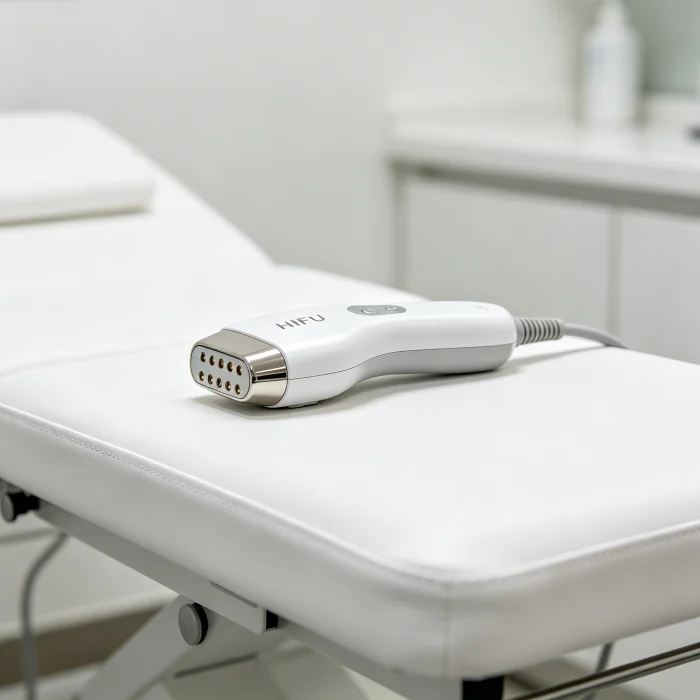
I’ve seen clinic treatment cards and user reviews on AllureCircle that consistently report the same pattern: good results for about a year, then a gradual fade. One user posted after 14 months that her jawline definition had softened noticeably. Another at 18 months said the texture was still better than before treatment, but the lift was gone. That lines up with the published data—HIFU stimulates collagen, but it doesn’t stop your skin from aging afterward.
What the Research Says About HIFU Longevity
The science is pretty clear. A 2018 meta-analysis in the Journal of Cosmetic Dermatology looked at 14 studies and found that HIFU produced significant skin tightening in 80% of patients, with results lasting at least 6 months in most cases. Longer-term follow-ups from individual studies showed that some patients retained improvement at 12 months, and a few at 24 months.

But here’s the catch: the quality of the device matters a lot. Clinical HIFU machines used in dermatology offices deliver focused energy at precise depths (1.5 mm, 3.0 mm, 4.5 mm). At-home HIFU devices, on the other hand, are much lower power—some barely reach the SMAS layer. So if you’re asking whether HIFU works permanently for at-home machines, the honest answer is that they’re more maintenance tools than transformation tools.
Why Results Don’t Last Forever (And What Does)
Your skin’s collagen production naturally slows by about 1% each year after your mid-20s. HIFU gives it a kick—it creates micro-coagulation zones that force your body to repair and rebuild. That new collagen is denser and more organized, which is why you see a lift. But once that collagen matures and eventually breaks down (which takes 12–18 months), you’re back to baseline aging. No device can reset your biological clock.
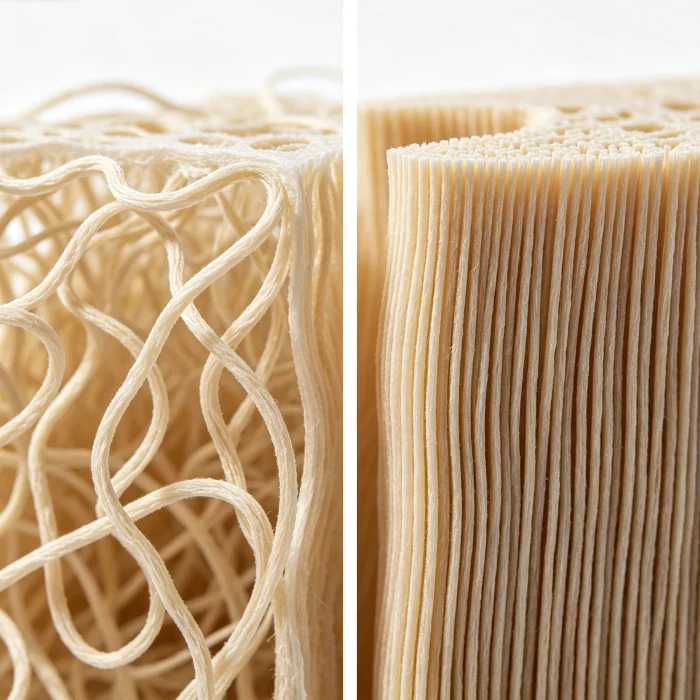
The only truly permanent solution for hair removal is electrolysis—and even that requires multiple sessions because hair grows in cycles. For skin tightening, nothing is permanent except surgery. But HIFU is still one of the best non-invasive options if you’re okay with the trade-off.
How to Make HIFU Results Last Longer
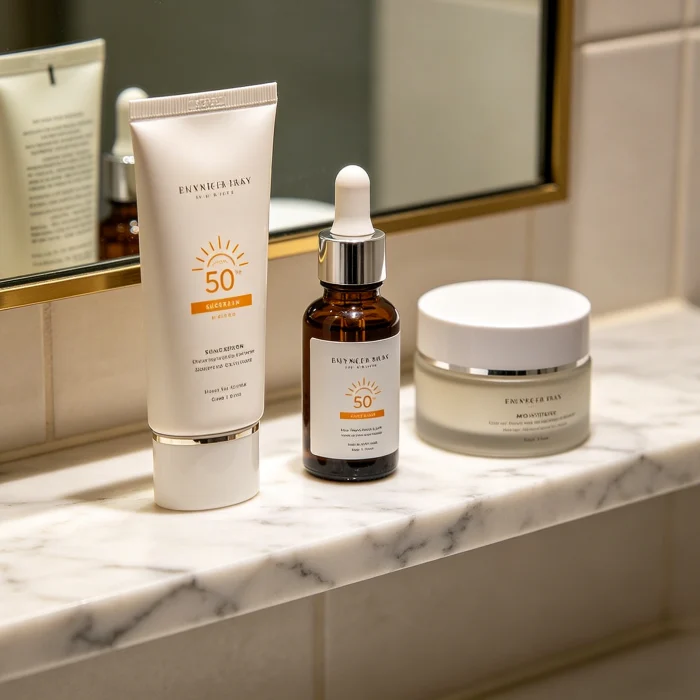
You can stretch the results of a single session by taking care of your skin afterward. Sunscreen is non-negotiable—UV breaks down collagen faster. A good skincare routine with retinoids, vitamin C, and peptides supports collagen maintenance. Some clinics also combine HIFU with microneedling or radiofrequency for a synergistic effect.
On AllureCircle, users who kept up with LED light therapy at home reported that their HIFU results seemed to last a couple of months longer. It’s anecdotal, but it makes sense: red and near-infrared light stimulate fibroblasts, which helps maintain collagen density.
HIFU vs. Other Treatments for Longevity
How does HIFU stack up against other popular skin-tightening options? Here’s a quick comparison based on typical results duration:
| Treatment | Typical Results Duration | Maintenance Needed |
|---|---|---|
| HIFU | 12–18 months | Every 12–18 months |
| Radiofrequency (RF) | 6–12 months | Every 6–12 months |
| Microneedling with RF | 12–18 months | Every 12–18 months |
| Surgical facelift | 10–15 years | One-time (rarely repeated) |
As you can see, HIFU is middle-of-the-pack for duration. It beats RF in longevity, but it’s not as permanent as surgery. The real advantage is that it’s non-invasive—no incisions, no anesthesia, almost no downtime. For someone who wants a noticeable lift without going under the knife, HIFU is a solid choice.
What About At-Home HIFU Devices?
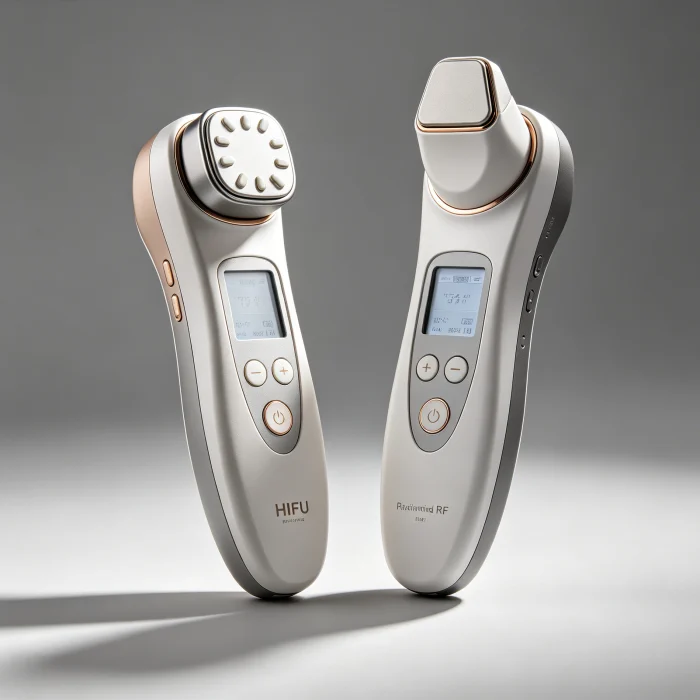
At-home HIFU devices are a different beast. They use lower energy to stay safe for consumer use, which means they don’t reach the same depth as clinical machines. Most operate at around 1.5 mm depth—fine for superficial collagen stimulation, but not enough to lift the SMAS layer. So results are subtle and temporary, usually lasting a few weeks to a couple of months.
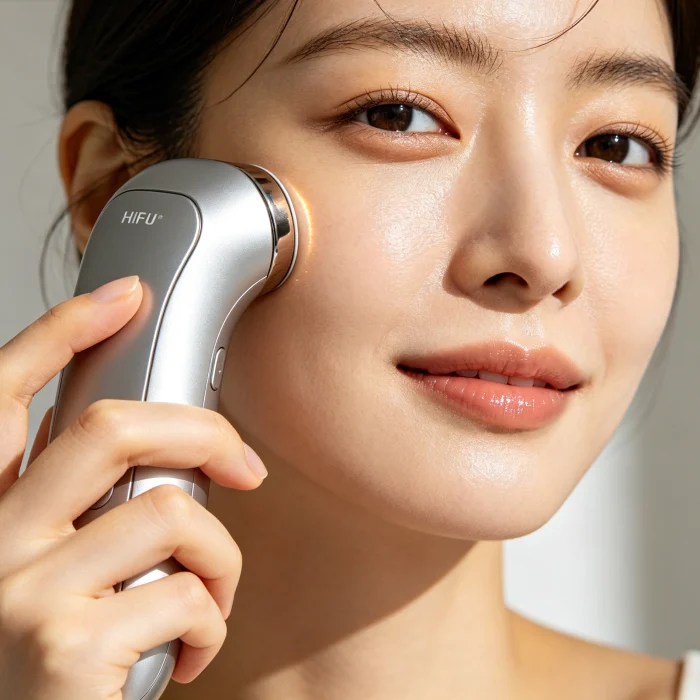
I’ve tried a couple of these at-home gadgets, and honestly? They feel like a warm massage. You might see a slight plumping effect for a day or two, but it’s mostly hydration from the gel. If you want real, lasting results, save up for an in-clinic treatment. Or, if you’re curious about at-home options, check out the HIFU machine guides on AllureCircle—members share their honest experiences with specific brands.
Bottom Line: Should You Get HIFU?
HIFU is worth it if you understand what it does and doesn’t do. It’s not permanent, but it’s a reliable non-surgical lift that lasts over a year. Good candidates are people with mild to moderate skin laxity who want a subtle, natural-looking improvement without downtime. If you have heavy jowls or deep folds, you’ll be disappointed—consider a facelift or RF microneedling instead.
For more details on how long HIFU lasts on different face areas, see this complete guide on AllureCircle. And if you’re torn between HIFU and RF for your jawline, this comparison might help you decide.
Frequently Asked Questions
How long does HIFU actually last?
Most people see visible results for 12 to 18 months after a single session. Some studies report improvement lasting up to 2 years, but that’s less common. After that, collagen continues to degrade with age, so maintenance treatments are needed.
Can HIFU be permanent if you do it multiple times?
No. Each session stimulates new collagen, but the aging process continues. Multiple sessions can extend the overall duration of results—for example, an annual touch-up can maintain the lift indefinitely—but the effect of any single session is not permanent.
Does HIFU work for everyone?
HIFU works best on people with mild to moderate skin laxity and good skin elasticity. It’s less effective on older skin with significant sagging or on thin skin. Results also vary by device quality and technician skill.
Is HIFU painful?
Most people describe it as a warm prickling sensation or mild discomfort. Some areas (like the jawline) are more sensitive. The procedure typically lasts 30–90 minutes, and there’s no anesthesia required. Pain is usually tolerable and fades quickly after treatment.
What are the side effects of HIFU?
Common side effects include redness, swelling, and mild tenderness for a few hours to a couple of days. Rarely, there can be temporary numbness, bruising, or nerve irritation. Serious complications like burns or scarring are very rare when done by a qualified professional.
How much does HIFU cost?
Clinical HIFU for the full face typically costs $1,500 to $4,000 per session, depending on the clinic and location. At-home devices range from $200 to $800 but deliver much weaker results.
Can I combine HIFU with other treatments?
Yes. Many clinics combine HIFU with microneedling, radiofrequency, or LED therapy for enhanced results. Just make sure to space treatments appropriately—typically 2–4 weeks apart—to avoid overloading the skin.
Who should avoid HIFU?
Avoid HIFU if you are pregnant, have active acne or infections in the treatment area, have a pacemaker, or have had recent facial fillers or threads (wait at least 6 months). Also not recommended for people with very thin skin or severe sagging.
HIFU is one of the best non-invasive skin-tightening options we have, but patients often come in with unrealistic expectations. It’s not a facelift—it’s a collagen-boosting treatment that gives a noticeable lift for about a year. The key is to start with a good skin care routine and maintain with annual sessions. I tell my patients: if you want permanent results, you’re looking at surgery. If you want a safe, effective way to delay surgery by several years, HIFU is an excellent tool.
All Comments 0
Please log in to post a comment.
No comments yet. Be the first to share your thoughts!