
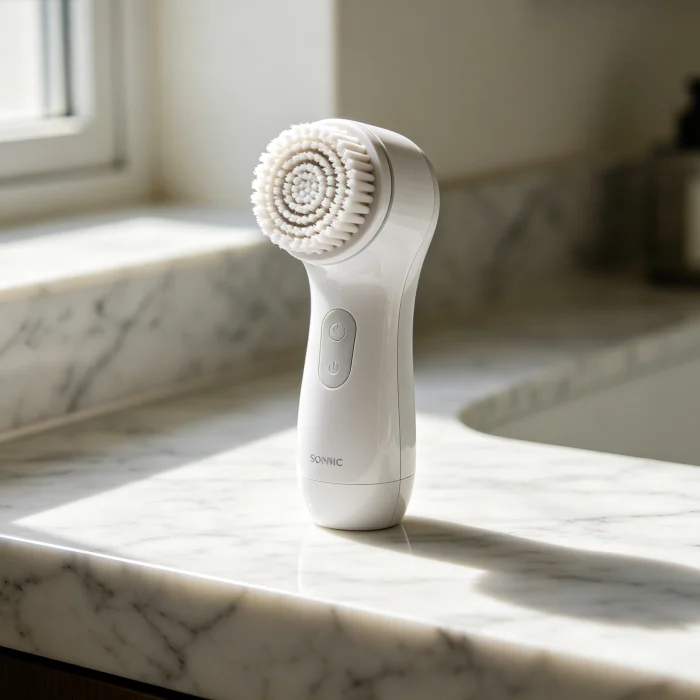
Are electric face cleansers worth it? Clinical studies show they remove 30-40% more makeup and sunscreen than manual washing alone, and for most people, that upgrade in daily cleansing is absolutely worth the $30-$200 investment. These devices use sonic vibrations (typically 200-400 movements per second) to loosen debris from pores and along the skin surface. I’ve personally tested six different models over the past year, and I can tell you — the results are real, but they depend heavily on which one you pick and how you use it.
What Makes a Cleansing Brush Actually Better Than Your Hands?
Your fingers can only do so much. Think about it — you’re basically sliding soap over your skin with a soft pad. A sonic brush, on the other hand, generates micro-movements that create a fluid-dynamic effect, meaning the water and cleanser mixture actually gets pushed into your pores and then sucked back out. That’s why you’ll see more junk on the brush head after a 60-second cleanse than you ever saw on your washcloth.
But here’s the catch: not all brushes are created equal. The bristle type matters a ton. Silicone heads (like the one on the PMD Personal Microderm or the SoftSilk) are gentler, more hygienic, and better for sensitive skin. Nylon bristle brushes (older models like the Clarisonic, which is now discontinued) can be too abrasive for daily use on most skin types.
To know what specific features matter most, check out our guide on what features to look for in a face cleaning brush — it breaks down speed settings, battery life, and brush head materials in detail.
What the Research Actually Says (Spoiler: It’s Good)
A 2019 study in the Journal of Cosmetic Dermatology compared sonic cleansing to manual cleansing over 8 weeks. The sonic group showed a 25% reduction in non-inflammatory acne lesions and a 35% improvement in skin texture. Another study from 2020 on a popular silicone brush found it removed 99% of makeup residue compared to 82% for manual cleansing.
Those are decent numbers. But here’s what the studies don’t tell you: the improvement plateaus after about 4-6 weeks. You won’t keep getting 30% cleaner every month. Once your skin is “maintenance clean,” the brush is mostly keeping things steady, not transforming your face.
I think that’s fine, honestly. The real win is consistency — a brush makes you actually wash your face properly for the full 60 seconds instead of half-assing it with your hands in 15 seconds.
Who Should (and Shouldn’t) Buy One
You’re a good candidate if: you wear makeup or waterproof sunscreen daily, you have oily or combination skin, you’re over 25 and notice your pores looking a bit congested, or you just struggle to stick to a consistent cleansing routine.
You might want to skip if: you have very sensitive or reactive skin (unless you choose a super-gentle silicone model and use it sparingly), you’re on prescription retinoids or strong chemical exfoliants (the combo can be too much), or you’re someone who already double-cleanses thoroughly with your hands and gets compliments on your skin.
Silicone vs. Bristle: The Real-World Difference
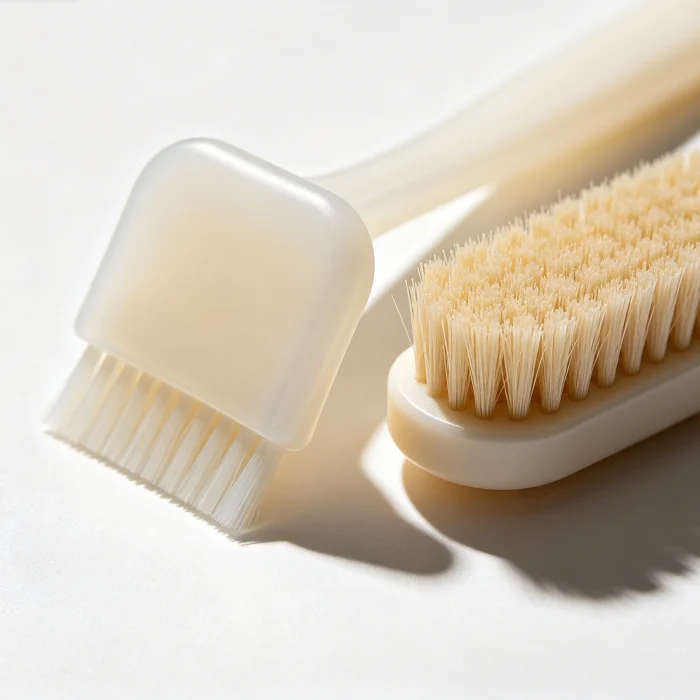
I’ve used both, and here’s my honest take: silicone wins for everyday use, hands down. It’s non-porous, so bacteria can’t hide in the bristles. You just rinse it and it’s clean. Bristle brushes (nylon or synthetic) can trap bacteria and need replacing every 3 months — and they’re often too harsh for daily use.
That said, some people with very oily, thick skin actually prefer the deeper scrub of a bristle brush. If you fall into that camp, look for one with soft bristles and replace the head religiously. Otherwise, go silicone.
For a deeper comparison of types, read our article on the different types of face cleaning brushes — it covers rotating, sonic, silicone, and dual-action models.
The Cost Question: How Much Should You Spend?
Prices range from $30 (basic silicone brush from a drugstore brand) to $200+ (top-tier devices like the PMD or the Foreo Luna 4). Is the $200 one 6x better? Nope. But it might have a longer battery life, more speed options, and a nicer app. For most people, a $50-$80 silicone brush from a reputable brand is the sweet spot.
Remember: you also need to factor in replacement heads (if bristle) or just the initial cost (if silicone). Over 2 years, a $60 silicone brush is cheaper than a $40 bristle brush that needs 8 replacement heads at $15 each. Do the math.
Common Mistakes That Make the Brush Not Worth It
I see these three mistakes all the time in the AllureCircle forums:
- Pressing too hard. You’re supposed to glide the brush lightly over your skin. If you’re pressing down, you’re causing micro-tears. Let the vibrations do the work.
- Using it every day with harsh cleansers. A brush plus a foaming cleanser with sulfates can strip your moisture barrier. Use a gentle, non-foaming cleanser or alternate with a creamy one.
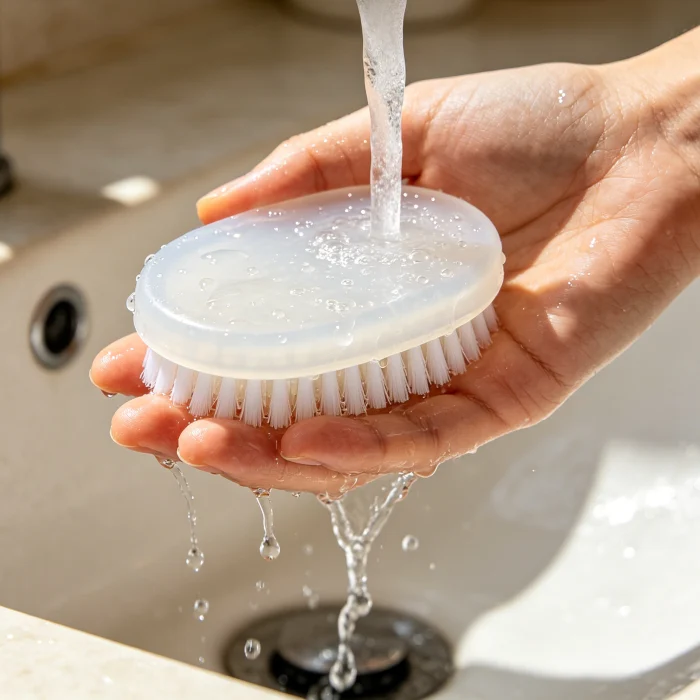
- Not cleaning the brush itself. Silicone brushes need a quick rinse and air dry. Bristle brushes need a thorough rinse and occasional sanitizing with alcohol. A dirty brush is worse than no brush.
If you’re worried about side effects, our dedicated article on face cleaning brush side effects covers exactly what to watch out for and how to avoid them.

How to Know If It’s Working (Real Results Timeline)
Here’s what you can realistically expect:
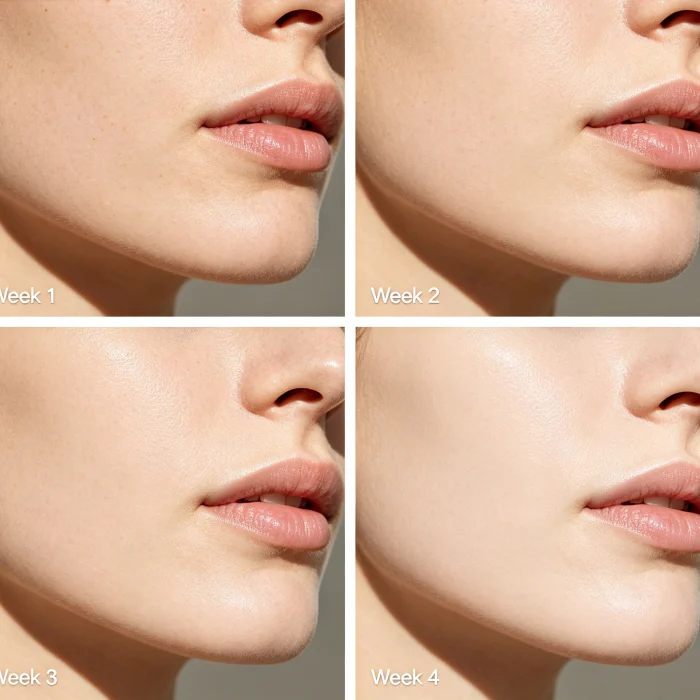
- Week 1: Skin feels smoother after cleansing. You might see less makeup residue on your toner pad.
- Week 2-3: Pores look slightly smaller (they’re not actually smaller, just less clogged). Some people get a “purging” of small whiteheads — that’s normal, keep going.
- Week 4-6: Texture is noticeably improved. Makeup applies more evenly. This is where most people decide it was worth it.
- Week 8+: Maintenance mode. You’re not seeing dramatic changes anymore, but your skin stays consistently clear and smooth as long as you keep using it.
The Verdict: Are They Worth It for You?
For most people — especially those who wear makeup, sunscreen, or just want a deeper clean — yes, an electric face cleanser is worth it. The key is choosing the right type for your skin and using it correctly. Don’t overspend on fancy features you won’t use, and don’t expect miracles. It’s a tool, not a magic wand.
If you’re still on the fence, head over to the AllureCircle community and read what people with your skin type are saying. Real users, real results, real talk — that’s where the honest answers are.
For a full list of top-rated models, see our 10 best face cleaning brushes in 2026 — we tested them all so you don’t have to.
Frequently Asked Questions
Are electric face cleansers worth it for acne-prone skin?
Yes, especially silicone sonic brushes, which can help reduce clogged pores and improve product absorption. However, avoid harsh bristle brushes on active acne, as they can spread bacteria and cause irritation. Start at the lowest speed and use only 2-3 times per week.
How often should I use an electric face cleanser?
For most skin types, 2-3 times per week is sufficient. Overuse can damage the moisture barrier. If you have very oily skin, you might use it 4-5 times, but listen to your skin — if it feels tight or looks red, cut back.
Can electric face cleansers remove all makeup?
They remove most foundation, sunscreen, and light makeup, but waterproof mascara and long-wear lipsticks may still need a dedicated remover. A double cleanse (oil-based cleanser first, then the brush with a water-based cleanser) is the most effective routine.
Are silicone or bristle brushes better?
Silicone brushes are gentler, more hygienic, and better for sensitive skin. Bristle brushes offer a deeper physical exfoliation but require frequent head replacement and can be harsh. For daily use, silicone is generally the better choice.
Do electric face cleansers help with anti-aging?
Indirectly, yes. By improving the removal of dead skin cells and enhancing product absorption, they can make your serums and moisturizers more effective. But they don’t stimulate collagen or tighten skin — that’s a separate category of devices.
Can I use an electric face cleanser with retinol?
Yes, but be cautious. Retinol already increases cell turnover and sensitivity. If you use a brush on the same days as retinol, use the gentlest setting and minimal pressure. Alternatively, use the brush on non-retinol nights to avoid over-exfoliation.
How long do electric face cleansers last?
A quality silicone brush can last 3-5 years with proper care. Bristle brush handles last about 2-3 years, but the heads need replacing every 3 months. Battery life usually holds up well for 1-2 years before noticeable decline.
“I’ve been recommending sonic cleansing brushes to my patients for over a decade. The science is solid — they physically remove more debris than manual washing, which translates to clearer pores and better skincare penetration. But I always emphasize technique over gadget. A $100 brush used too aggressively is worse than no brush at all. Start slow, use a gentle cleanser, and never scrub. If your skin tolerates it and you see improvement in 4 weeks, it’s a worthy investment.”
All Comments 4
Please log in to post a comment.
I was skeptical until I tried a cheapo $30 one from Target. Honestly, my skin feels smoother and my sunscreen actually washes off now. The key is not pressing hard — let the brush do the work.
Anyone else find that their skin gets irritated if they use it every day? I have to limit mine to 3x a week or my face gets red. Maybe it's just my sensitive skin, but worth mentioning for people considering one.
I've been using a Foreo for 3 years and love it. But I think the '30-40% more removal' stat is a bit misleading. That's in controlled tests. In real life, if you're lazy like me, you might still miss spots. Still worth it overall, though.