
The short answer is no — HIFU results are not permanent. Clinical studies show the effects typically last 12 to 18 months, with some patients maintaining visible tightening for up to 2 years with proper skincare and touch-up sessions. Think of it as a deep reset for your skin’s collagen network, not a one-and-done fix. HIFU (High-Intensity Focused Ultrasound) works by heating tissue at specific depths — 1.5mm, 3mm, and 4.5mm — to trigger a wound-healing response. That process ramps up collagen production over 2 to 3 months, but your body’s natural aging and gravity keep pulling, so the clock starts ticking the day you get treated.
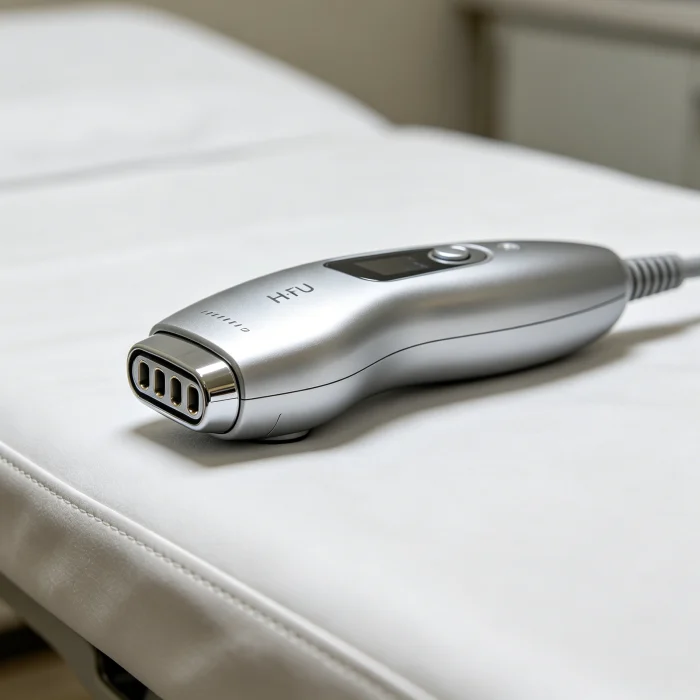
Most people start noticing visible changes around 8 to 12 weeks after a single session — that’s when neocollagenesis peaks. But here’s the thing: your skin didn’t stop aging while you were waiting for results. By month 6, you’re still looking good. By month 12, the lift starts to fade. By month 18, many people feel they need a top-up. I’ve seen this pattern in clinic reviews and user reports on forums like AllureCircle — the consensus is consistent.
How Long Do HIFU Results Actually Last on the Face?
For the face, most dermatologists quote 12 to 18 months for a single treatment. But that range depends heavily on where you’re treating. The jawline and lower face — areas with denser tissue — tend to hold results longer, sometimes pushing toward 2 years. The brow and mid-cheek, where skin is thinner and movement is constant, fade faster — often closer to 9 to 12 months. A 2020 study published in the Journal of Cosmetic Dermatology reported that 86% of patients still showed improvement at 6 months post-treatment, but that number dropped to 68% at 12 months.
One factor that’s often overlooked: your baseline skin quality. If you’re in your 30s with good elastin reserves, your HIFU results will outlast someone in their 50s with significant sun damage. That’s just biology — no machine can override decades of UV exposure.
What Everyone Gets Wrong About “Permanent” in Aesthetic Treatments
Let’s be real — the word “permanent” gets thrown around way too much in this industry. Botox isn’t permanent. Fillers aren’t permanent. Even a facelift eventually succumbs to gravity. So when someone asks “Are HIFU results permanent?” the honest answer is: nothing in aesthetic medicine is permanent unless we’re talking about death or taxes.
What HIFU does is buy you time — about a year and a half of noticeably firmer skin. That’s a damn good return for a 60- to 90-minute lunch-break procedure with zero downtime. Compare that to daily microneedling at home or a strict LED regimen, and the time-savings are enormous. But expecting it to last forever is like expecting a single workout to keep you fit for life.
One user on AllureCircle put it well: “I treated my face at 36 and loved the results. By 37.5, I was ready for another round. I just think of it as my annual collagen reset.” That mindset — maintenance, not permanence — is the healthiest way to approach HIFU.
How to Make Your HIFU Results Last Longer
You can stretch the lifespan of your HIFU results with a few smart habits. First and foremost: sunscreen. Daily SPF 30+ is non-negotiable — UV breaks down collagen faster than aging itself. Second, add a good vitamin C serum in the morning and a retinoid at night. Both are clinically proven to boost collagen synthesis.
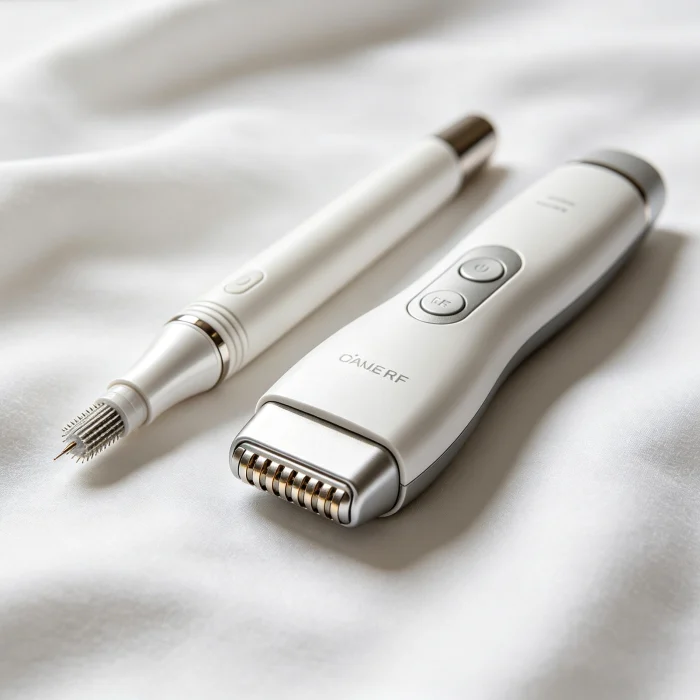
Third, consider pairing HIFU with complementary treatments. Many clinics combine it with microneedling or radiofrequency (RF) for a layered approach. Our guide on HIFU vs RF for sagging jawline breaks down which gives faster results — spoiler: it depends on your skin type and laxity level.
Fourth, stay hydrated. I know it sounds basic, but dehydrated skin shows wrinkles and sagging more prominently. Drink water, use a humidifier in dry climates, and avoid excessive alcohol.
Realistic Timeline: What to Expect Week by Week
| Timeframe | What You’ll See | What’s Happening Beneath the Surface |
|---|---|---|
| Day 1–3 | Mild redness, slight swelling, maybe some tenderness. You look a bit flushed. | Thermal coagulation points are forming. Your body is in the inflammation phase — a necessary first step. |
| Week 1–4 | Skin looks normal again. You might feel a slight tightening sensation, but it’s subtle. | Old collagen is being broken down. Fibroblasts are getting activated to produce new collagen. |
| Week 4–8 | You start noticing a difference — jawline looks more defined, brows are a bit higher. | Neocollagenesis is ramping up. New collagen fibers are being laid down in a more organized pattern. |
| Month 3–6 | Peak results. Friends might ask if you did something different. | Collagen density is at its maximum. This is the best your skin will look from this session. |
| Month 6–12 | Results plateau and then very gradually decline. You still look better than before treatment. | Natural aging and environmental factors start to overtake the collagen boost. |
| Month 12–18 | Most people notice the lift has faded significantly. Time for a touch-up. | The stimulated collagen has matured and aged. Without new stimulus, the skin returns to its natural aging trajectory. |

Does HIFU Work Better on Certain Skin Types or Ages?
HIFU is FDA-cleared for non-invasive skin tightening, but it’s not a one-size-fits-all miracle. The best candidates are people with mild to moderate skin laxity — think early jowls, a slightly drooping brow, or loose skin under the chin. If you have severe sagging, a surgical facelift is a more realistic option.
Age-wise, the sweet spot is 35 to 55. Younger patients have better collagen reserves, so their results tend to last longer. Older patients may need more sessions. But I’ve seen people in their 60s get excellent results from HIFU — it just takes more patience and realistic expectations. Our guide on whether 40 is too old for microneedling covers similar territory — age is a factor, but it’s not the only factor.
Skin tone also matters. HIFU doesn’t rely on heat absorption by pigment, so it’s safe for all Fitzpatrick skin types. That’s a big advantage over laser treatments, which can cause burns on darker skin. But people with very thin skin — common around the eyes — should be cautious. The eye area requires special probes and lower energy settings.
HIFU vs. Other Non-Surgical Tightening Treatments: How Duration Stacks Up
You’ve got options — microneedling, RF, IPL, LED therapy, and more. Here’s how HIFU compares on longevity:
- Microneedling: Results last 6 to 12 months. More sessions needed (3 to 6). Good for texture and fine lines, but less lift than HIFU.
- Radiofrequency (RF): Lasts 6 to 12 months. Requires maintenance every 6 months. Less depth than HIFU (usually reaches 2–3mm vs HIFU’s 4.5mm).
- LED Light Therapy: Cumulative but subtle. Results are ongoing if you use it consistently at home. Not a one-time fix.
- Thread Lifts: 12 to 18 months, but riskier — threads can migrate or break. More invasive than HIFU.
- Surgical Facelift: 5 to 10 years. Gold standard for severe sagging, but requires anesthesia and weeks of recovery.
If you’re deciding between HIFU and RF for your jawline, check out our head-to-head here. And for more context on at-home options, our facial machines category has reviews and guides.
Frequently Asked Questions
Are HIFU results permanent?
No, HIFU results are not permanent. The collagen stimulation lasts 12 to 18 months on average, with some people maintaining visible tightening for up to 2 years with proper skincare and occasional touch-ups.
How long do HIFU results last on the face?
For the face, results typically last 12 to 18 months. The jawline and lower face tend to hold results longer, while the brow and mid-cheek areas fade faster — often around 9 to 12 months.
How long does it take to see results from HIFU?
Most people start noticing visible tightening around 8 to 12 weeks after a single session. The full effect — peak collagen production — takes about 3 to 6 months to develop.
Can I make HIFU results last longer?
Yes. Daily sunscreen, vitamin C serum, retinoids, and staying hydrated can extend results. Pairing HIFU with microneedling or RF treatments also helps. Most clinics recommend a maintenance session every 12 to 18 months.
Is HIFU better than RF for the face?
It depends on your skin laxity and depth needs. HIFU reaches deeper (4.5mm) and provides more lift for moderate sagging. RF is gentler and works better for surface tightening and fine lines. Many people combine both.
Who should not get HIFU?
HIFU is not recommended for pregnant or nursing women, people with active acne or infections in the treatment area, those with severe skin laxity (better candidates for surgery), or anyone with metal implants or pacemakers near the treatment area.
Does HIFU hurt?
Most people describe it as a deep, prickling heat with occasional sharp zaps. Pain tolerance varies. Clinics offer topical numbing cream for comfort. The discomfort is brief — each pulse lasts less than a second.
How much does HIFU cost?
In the US, a full-face HIFU session ranges from $1,500 to $4,000 depending on the provider, location, and number of areas treated. Some clinics offer package deals for multiple sessions.
HIFU is a brilliant tool in the fight against aging, but I always tell my patients to think of it as a “collagen booster” rather than a permanent fix. The ultrasound energy kick-starts your body’s own repair mechanisms, but you’re still subject to genetics, lifestyle, and the relentless march of time. The best approach is to treat HIFU as part of a long-term skincare strategy — annual maintenance, good sun protection, and a solid at-home routine. And if anyone promises you permanent results from any non-surgical device, they’re selling you a dream, not a reality.
All Comments 0
Please log in to post a comment.
No comments yet. Be the first to share your thoughts!