
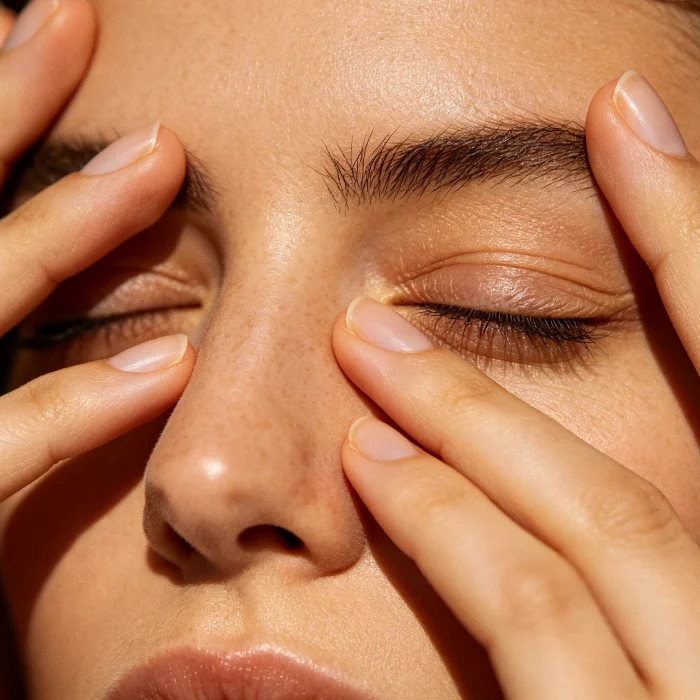
Can eye massage reduce eye pressure? Yes, but only temporarily — studies show a gentle ocular massage can lower intraocular pressure (IOP) by 10–30% for 10–15 minutes, not hours or days. This makes it a short-lived relief technique, not a treatment for conditions like glaucoma. The pressure drops because massage mechanically pushes aqueous humor out of the eye’s drainage angle, but it creeps back up quickly. If you’ve ever rubbed your eyes after a long day and felt a brief sense of relief, that’s the same mechanism at play — though rubbing is way too aggressive and can actually spike pressure temporarily.
What the Science Actually Says
Clinical research on ocular massage is surprisingly sparse. A 2024 pilot study in Journal of Glaucoma found that a 5-minute digital massage reduced IOP by an average of 4.2 mmHg in healthy eyes, but pressure returned to baseline within 20 minutes. Another small trial on glaucoma patients showed a slightly longer effect — about 30 minutes — but only in eyes with already compromised drainage. The takeaway: massage works, but it’s a band-aid, not a fix. For anyone managing high eye pressure due to glaucoma, this is not a substitute for prescribed drops.
How an Eye Massager Differs from Rubbing
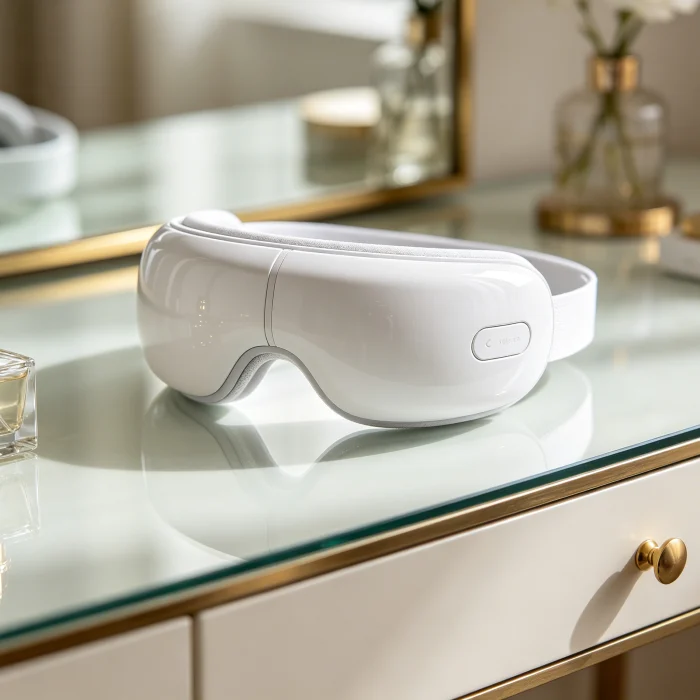
Rubbing your eyes — especially with knuckles — is a totally different beast. When you rub, you’re compressing the globe unevenly, often increasing IOP in the short term. One 2018 study measured IOP during self-rubbing and found spikes up to 50 mmHg (normal is 10–21). That’s like squeezing a water balloon. A proper eye massager, on the other hand, uses controlled, gentle vibration or air compression. Devices like the Breo iSee4 or Renpho eye massager apply rhythmic pressure around the orbital bone, not directly on the eyeball. That’s key — they target muscles and lymphatics, not the globe itself.
If you’re curious about how pressure adjustments work on these devices, the AllureCircle guide on adjusting pressure for dark circles has practical tips that apply here too. The same principle holds: start at the lowest setting and work up slowly.
Can Eye Massage Help with Glaucoma?
This is the million-dollar question. Short answer: no, not as a treatment. Glaucoma is progressive optic nerve damage driven by sustained high IOP (among other factors). A 10-minute massage won’t change that. In fact, if you have glaucoma, be very careful — some experts warn that massage could dislodge a lens implant or aggravate narrow-angle glaucoma. The American Academy of Ophthalmology does not recommend ocular massage for glaucoma management.
That said, there’s a specific medical procedure called “digital ocular massage” sometimes used after glaucoma surgery to help maintain a filtering bleb. But that’s performed by a surgeon, not at home. So if you have glaucoma and want to try an eye massager for relaxation, check with your ophthalmologist first. The AllureCircle article on LED face masks and glaucoma safety covers similar precautions for light therapy devices.
Does Stress Affect Eye Pressure?
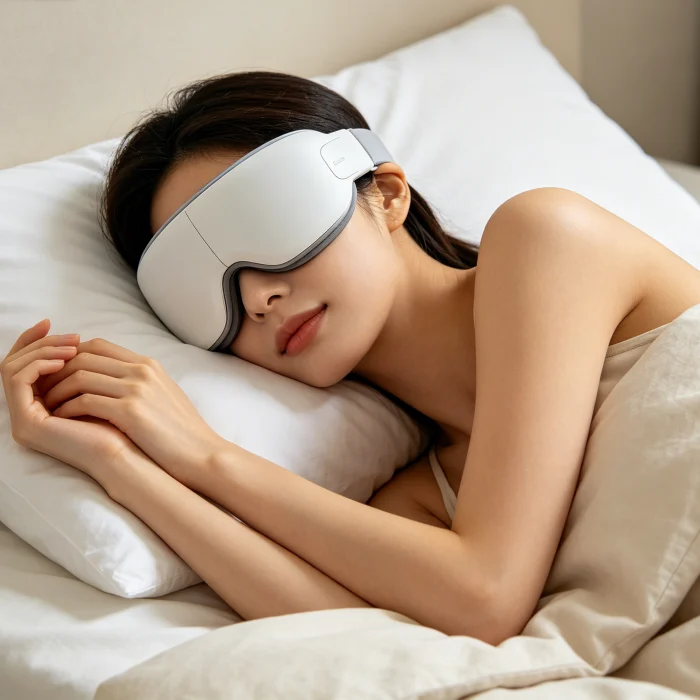
Absolutely — and this is where massage might help indirectly. Psychological stress triggers cortisol release and sympathetic nervous system activation, both of which can elevate IOP. A 2023 meta-analysis found that stress management techniques (meditation, breathing exercises) reduced IOP by about 3–5 mmHg in some studies. An eye massager with built-in heat and vibration can be part of that relaxation routine. The effect is small and indirect, but it’s real. So if you use a massager to wind down before bed, you might see a modest benefit — not from the massage itself, but from the stress reduction it brings.
How to Massage Around the Eyes Safely
If you want to try a gentle self-massage (no device), here’s a safe routine:
- Wash your hands thoroughly. No exception.
- Use your ring fingers — they have the lightest touch. Place them on the bony ridge under your eyebrows.
- Make tiny circles outward, moving from the inner corner toward the temples. Do this for 30 seconds.
- Then, using the same light touch, stroke from the inner corner of your eye down along the cheekbone to the outer corner. Repeat 5 times each side.
- Never press directly on the eyeball. If you see stars, you’re pressing too hard.
This stimulates lymphatic drainage and relaxes the orbicularis oculi muscle. It won’t lower IOP much, but it can reduce tension and puffiness. For a deeper dive into what different eye massager types offer, the 2026 Eye Massage Equipment Guide is a great resource.
Other Ways to Reduce Eye Pressure Naturally
Since massage alone isn’t the answer, here’s what actually helps:
- Stay hydrated — dehydration can thicken the aqueous humor and raise IOP. Aim for 8 glasses a day.
- Limit caffeine — a single large coffee can spike IOP by 2–4 mmHg for a few hours.
- Avoid inverted yoga poses — head-down positions like downward dog can double IOP temporarily.
- Manage stress — deep breathing, meditation, or even a 10-minute walk can lower cortisol and IOP.
- Sleep with your head elevated — a slight incline helps fluid drain overnight.
These strategies won’t cure glaucoma, but they can support overall eye health. If you’re curious about whether other at-home tools like LED masks affect eye pressure, the AllureCircle article on LED face massagers addresses that question.

What About Eye Drops and Other Treatments?
Prescription eye drops (prostaglandin analogs, beta-blockers) are the gold standard for lowering IOP — they reduce pressure by 20–30% and work for 24 hours. Over-the-counter “natural” drops? Not proven. Some contain ingredients like forskolin or melatonin that show promise in early studies, but nothing replaces a prescription. If you’re dealing with high eye pressure, see an eye doctor. Don’t rely on massage or supplements alone.
Should You Buy an Eye Massager for Pressure?
If your goal is to lower IOP as a medical treatment — no, don’t buy one for that. But if you want to reduce eye strain, puffiness, or tension headaches, an eye massager can be a nice addition to your routine. Look for devices with adjustable intensity, heat (around 104°F), and a timer. Avoid any that press directly on the eyeball. The Eye Massager for Eye Pressure: Does It Actually Help? article on AllureCircle has specific device recommendations and user reviews.
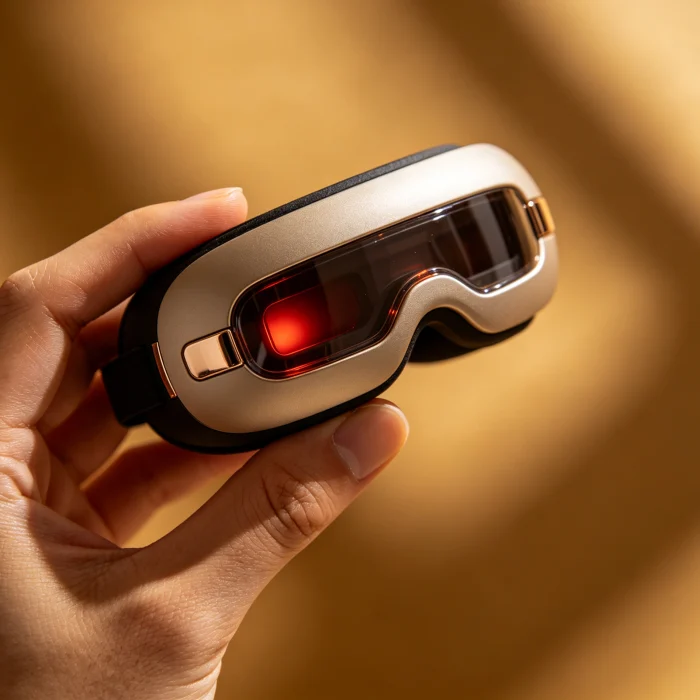
One more thing — if you’re comparing a jade roller to an electric massager, the upgrade is worth it for convenience and consistency, but the effect on eye pressure is negligible for both. See the AllureCircle comparison on jade roller vs. electric eye massager for more.
Frequently Asked Questions
Can eye massage reduce eye pressure from glaucoma?
No, eye massage does not treat glaucoma. It may temporarily lower IOP for a few minutes, but it doesn’t address the underlying cause or prevent optic nerve damage. Always follow your doctor’s treatment plan.
Does rubbing eyes increase eye pressure?
Yes, rubbing can spike IOP significantly — sometimes up to 50 mmHg. The pressure spike is brief but can be harmful if done repeatedly. Use gentle massage techniques instead.
How long does the pressure-lowering effect of eye massage last?
Typically 10–20 minutes. Some studies show up to 30 minutes in glaucoma patients, but pressure returns to baseline quickly. It’s not a sustained solution.
Can eye drops reduce eye pressure better than massage?
Absolutely. Prescription drops lower IOP by 20–30% and work for 24 hours. Massage is not a substitute. If you need to lower pressure, drops are the standard.
What should I do to reduce pressure in my eyes naturally?
Stay hydrated, limit caffeine, manage stress, sleep with your head elevated, and avoid inverted poses. These lifestyle changes can help modestly, but see a doctor for true high pressure.
Can stress affect eye pressure?
Yes, stress raises cortisol and activates the sympathetic nervous system, both of which can increase IOP. Relaxation techniques like deep breathing or meditation may help lower pressure indirectly.
Can an eye infection cause high eye pressure?
Some infections like uveitis or herpes can cause inflammation that increases IOP. Treating the infection usually resolves the pressure issue. Massage is not recommended during an active infection.
I often see patients who’ve heard that eye massage can lower pressure and wonder if they can skip their drops. The honest answer is no — massage is like a quick squirt from a hose, while drops are a steady drip. For glaucoma, you need the steady drip. That said, a gentle massage around the eyes can be part of a relaxation routine that supports overall eye health. Just keep it light, keep it clean, and never press on the eyeball itself. If you have any history of eye disease, check with your ophthalmologist first.
All Comments 0
Please log in to post a comment.
No comments yet. Be the first to share your thoughts!