
Using a face cleansing brush correctly means 80% of users report smoother, clearer skin within two weeks, but only if you avoid the biggest mistake: pressing too hard. A spinning or sonic brush removes makeup, oil, and dead skin more effectively than fingers alone. But if you scrub like you’re scouring a pan, you’ll strip your moisture barrier and end up with redness, irritation, or breakouts. Here’s the right way to do it.
Start with the Right Brush Head for Your Skin Type
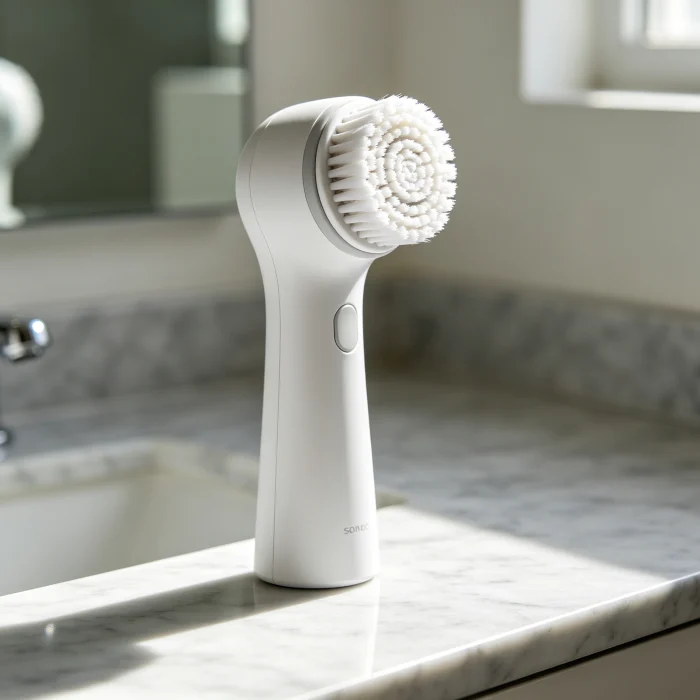
Not all brushes are the same. If you have sensitive skin, go for a brush with ultra-soft bristles — Clairsonic’s cashmere or PMD’s silicone nubs. For oily or combo skin, firmer bristles help exfoliate around the nose and chin. Silicone brushes are gentler and dry faster, so they’re less likely to harbor bacteria. Nylon bristles give a deeper clean but need replacing every three months. If you’re unsure, check out the different types of face cleaning brushes in the USA to see what suits your skin.
Prep Your Skin: Damp, Not Soaking
Splash your face with lukewarm water. Hot water strips natural oils; cold water doesn’t dissolve dirt well. Apply your favorite cleanser to the brush’s damp bristles or directly onto your skin. About a pea-sized amount is enough — too much foam won’t do a better job, it’ll just slide off.
Now, here’s where technique matters. Turn on the brush and guide it gently across your forehead, nose, chin, and cheeks. Let the brush do the work — you’re just steering. Spend about 20 seconds on the T-zone (forehead and nose) because that’s where oil and blackheads gather. Keep it to 10 seconds per cheek. Total session: about 60 seconds. Any longer and you risk over-exfoliation.
Motion Matters: Slow Circles, No Pressure
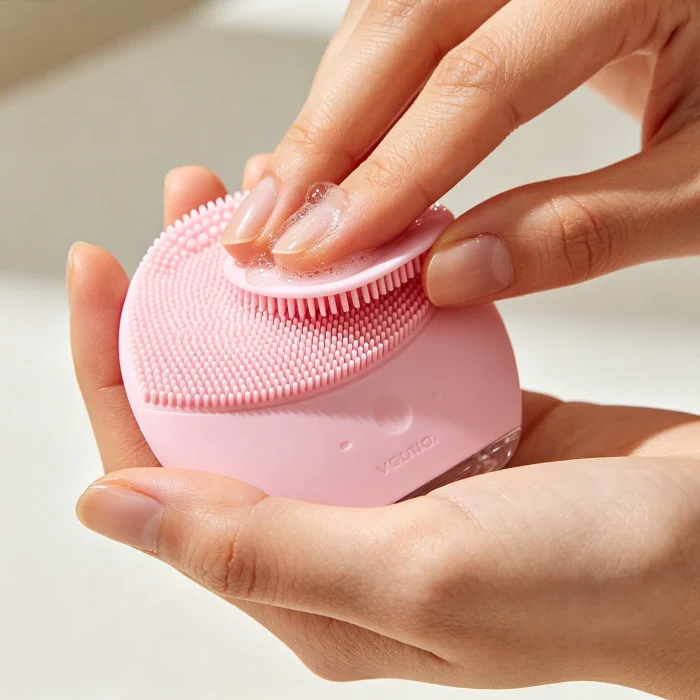
Don’t scrub back and forth like you’re buffing a car. Small, slow, circular motions lift dirt instead of pushing it into pores. On your nose, you can go side-to-side to get the sides. For the eye area, keep the brush at least an inch away — the skin there is thin and delicate.
The number one rookie error? Pushing down. A 2019 study in the Journal of Clinical and Aesthetic Dermatology found that excessive pressure from cleansing brushes can disrupt the stratum corneum. Light contact is all you need. If you see the skin dimpling under the brush, you’re pressing too hard.
Frequency: How Often Should You Use It?
Most people can use a face brush 2–3 times a week. If you have oily skin and live in a humid climate, maybe 4 times. Dry or sensitive skin? Once a week is plenty. A common mistake is wanting “squeaky clean” skin — that tight feeling actually means you’ve stripped your acid mantle.
Think of it like weightlifting: you don’t train the same muscle every day. Your skin needs time to recover. On off days, just use your fingers or a soft cloth. Over time, as your skin adjusts, you can gradually increase frequency. But if you ever feel stinging or tightness after brushing, take a week off.

Aftercare: Lock in Moisture Immediately
Once you rinse off the cleanser, pat your face dry with a clean towel — don’t rub. Then apply a hydrating toner or essence while your skin is still slightly damp. Follow with a moisturizer. Exfoliation opens the door for better product absorption, so now is the perfect time to apply serums or treatments.
One thing I’ve learned from the AllureCircle community: many users skip moisturizer after brushing because they think it’ll make their skin oily. Wrong. Brushing temporarily disrupts the barrier, and moisture loss makes skin produce more oil to compensate. A lightweight, non-comedogenic moisturizer actually helps balance things out.
Maintenance: Keep Your Brush Clean
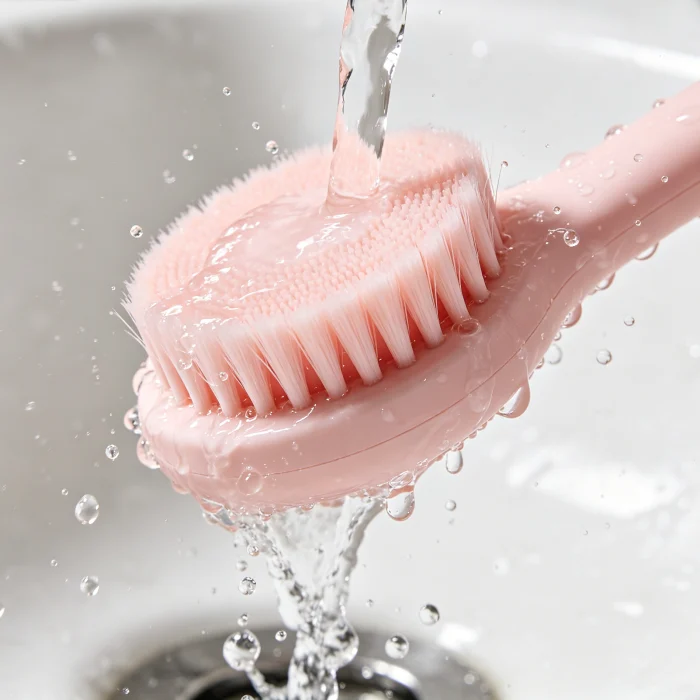
Your brush collects dead skin, oil, and bacteria with every use. If you don’t clean it properly, you’re basically smearing germs back onto your face. Rinse the brush head thoroughly after each use. Once a week, deep-clean it with mild soap and warm water or a diluted vinegar solution. Let it air-dry completely before storing.
Replace brush heads every three months — mark it on your calendar. For silicone brushes, wash them with soap and water weekly, and replace the whole device every 6–12 months if the silicone starts to wear. For more detailed steps, see how to clean your face brush.
Who Should Skip the Face Brush?
Not everyone needs one. If you have active eczema, rosacea, or sunburn, wait until your skin heals. Pregnant women can use gentle silicone brushes, but check with your dermatologist first. If you’re on prescription retinoids or strong exfoliating acids, your skin is already shedding — adding a brush could be overkill.
And let’s be honest: a face brush is a tool, not a miracle. It complements a good skincare routine but doesn’t replace sunscreen, moisturizer, or a balanced diet. If you’re still on the fence about buying one, here’s why a face cleaning brush is worth the investment.

Common Side Effects and How to Avoid Them
Overdoing it is the main culprit. Redness, flaking, and breakouts can happen if you brush daily with too much pressure. If you see small white bumps or feel tightness, you’ve over-exfoliated. Stop using the brush for a week, focus on hydration, and reintroduce it slowly. For a full list of risks, check out face cleaning brush side effects.
The Verdict: Worth It If You Use It Right
A face cleansing brush can transform your skincare routine — but only if you respect your skin’s limits. Start slow, use the right brush head, and listen to what your skin tells you. That slightly congested texture on your chin? A gentle brush twice a week can smooth it out. But the moment you feel irritation, back off.
If you want to see what other users are saying about their favorite brushes, or if you run into trouble, join the AllureCircle community. Real experiences from people who’ve been through the same trial and error can save you a lot of frustration.
Frequently Asked Questions
Can I use a face brush every day?
Most dermatologists recommend 2–3 times per week. Daily use is safe for some people with oily skin and a gentle brush, but it often leads to over-exfoliation. Start slow and see how your skin reacts.
Should I use a face brush in the morning or at night?
Use it at night to remove makeup, oil, and impurities from the day. In the morning, a quick splash of water or a mild cleanser with your fingers is enough — your skin doesn’t need a deep clean twice a day.
Can a face brush help with acne?
Yes, it can help by unclogging pores and removing excess oil. But it’s not a treatment for active acne. Avoid brushing over inflamed pimples — it can spread bacteria and worsen breakouts. Pair it with a non-comedogenic routine.
How long does it take to see results from a face brush?
Many people notice smoother skin after the first use. More noticeable improvements in texture and clarity usually appear within 2–4 weeks of consistent, gentle use. Don’t expect overnight changes.
Can I share my face brush with someone else?
No. Sharing a brush head transfers bacteria and can cause breakouts or infections. Each person should have their own brush head, and replace them regularly. If you must share, use a fresh brush head for each person.
What’s the difference between a silicone brush and a bristle brush?
Silicone brushes are gentler, more hygienic (non-porous), and longer-lasting. Bristle brushes offer deeper exfoliation and are better for oily skin but need more frequent replacement. Choose based on your skin sensitivity.
Can I use a face brush with any cleanser?
Use a gentle, non-gritty cleanser. Avoid scrubs with particles — they can get trapped in the brush and cause micro-tears. Gel or cream cleansers work best. Foaming cleansers are fine too, but use a small amount.
“The biggest mistake I see is people treating a cleansing brush like a power tool. You don’t need to scrub — the brush’s motion does all the work. Think of it as a gentle massage that loosens debris, not a sanding block. I tell my patients to imagine holding a ripe tomato: that’s the amount of pressure you should apply. If you’re pressing hard enough to leave a mark, you’re damaging your skin’s barrier. Start with once a week, use lukewarm water, and always moisturize afterwards. Within a month, you’ll see a real improvement in texture without the redness.”
All Comments 0
Please log in to post a comment.
No comments yet. Be the first to share your thoughts!