
Does HIFU slim your face? The short answer is yes, but it’s not about dramatically melting fat — HIFU (High-Intensity Focused Ultrasound) can reduce subcutaneous fat by about 2-4 mm in the treated area after a single session, according to clinical studies, while primarily tightening skin and lifting the SMAS layer. This non-invasive treatment targets deep tissue layers using ultrasound energy, creating thermal coagulation points that stimulate collagen production and, in some devices, can also damage fat cells. However, it’s crucial to understand that HIFU is not a weight loss tool — it’s a contouring and lifting procedure best suited for mild to moderate sagging and small pockets of fat, like a double chin or jowls.
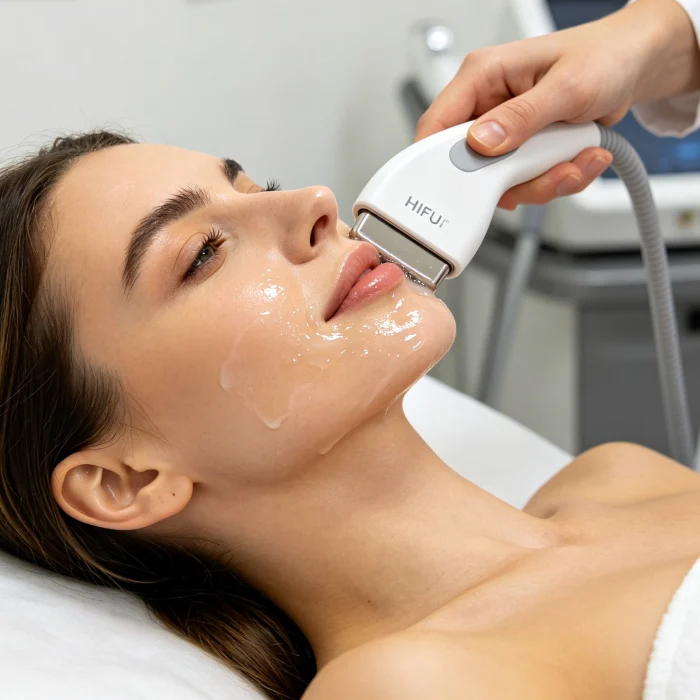
Most people see a visible lift and some slimming effect within 8-12 weeks, with results lasting around 12-18 months. But the degree of slimming depends heavily on your skin laxity, fat distribution, and the energy settings used. Let’s break down what HIFU can and can’t do for your face, so you know what to expect before you book that session.
How HIFU Targets Fat Without Surgery
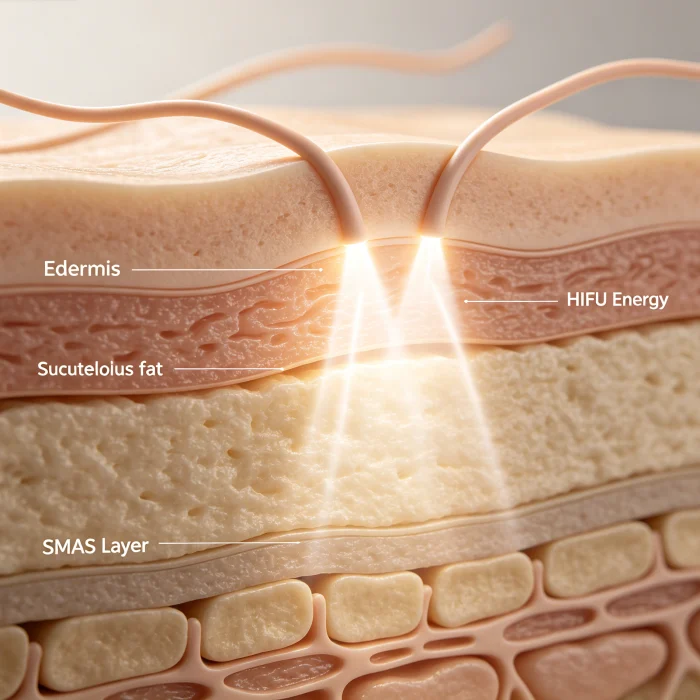
HIFU machines, like those from Konmison or Naborui, deliver focused ultrasound waves that pass through the skin’s surface and converge at a specific depth — usually 1.5 mm, 3.0 mm, or 4.5 mm. At 4.5 mm, the energy hits the SMAS layer (the same layer surgeons pull during a facelift), causing it to contract and tighten. At 3.0 mm, it targets the dermis to boost collagen. But here’s the fat part: some HIFU cartridges can also focus at 6.0 mm or deeper, specifically designed to break down fat cells in areas like the submental region (under the chin).
Heating fat cells to about 60-70°C causes immediate damage, and your body’s lymphatic system clears those cells over the following weeks. However, this is not like liposuction — you’ll see a subtle reduction, not a dramatic change. Think of it as “sculpting” rather than “shrinking.”
Does HIFU Work for a Double Chin? Yes, But Here’s the Catch
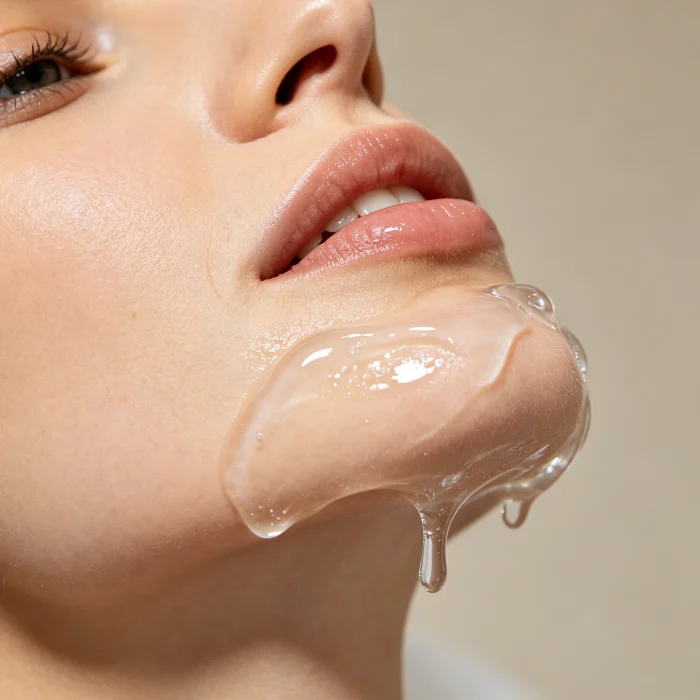
One of the most common questions is whether HIFU can fix a double chin. The answer is a qualified yes. Studies show that HIFU can reduce submental fat by an average of 2-3 mm, with some patients seeing a visible reduction in chin fullness. But it only works if you have a small amount of fat — what doctors call “mild to moderate” submental fat. If your double chin is mainly due to loose skin or genetics, HIFU’s tightening effect will still help, but you might need multiple sessions (2-3) spaced 3 months apart to get the best result.
I’ve seen users on AllureCircle report that combining HIFU with RF (radiofrequency) gives faster results for the jawline. Check out this comparison of HIFU vs RF for sagging jawline to see which might suit your needs. The key is to manage expectations — HIFU won’t make you look like you’ve lost 20 pounds overnight, but it can definitely refine your profile.
Real Results Timeline: What to Expect Week by Week
| Time After Treatment | What You’ll Notice |
|---|---|
| Week 0-1 | Mild redness, swelling, and tenderness. Some people feel a “sunburn” sensation. No visible results yet. |
| Week 2-4 | Swelling subsides. You might notice a slight lift, but it’s subtle. Collagen production is just starting. |
| Week 6-8 | Skin feels firmer. The slimming effect becomes more apparent as fat cells are cleared and collagen remodels. |
| Week 10-12 | Peak results — lift and contour are most visible. This is when most people see the full effect. |
| After 12 months | Results begin to fade gradually. Maintenance sessions can extend the effect. |
Keep in mind that individual results vary based on age, skin quality, and lifestyle. Learn more about how long HIFU results last for the face.
Does HIFU Melt Face Fat? The Truth About Fat Loss
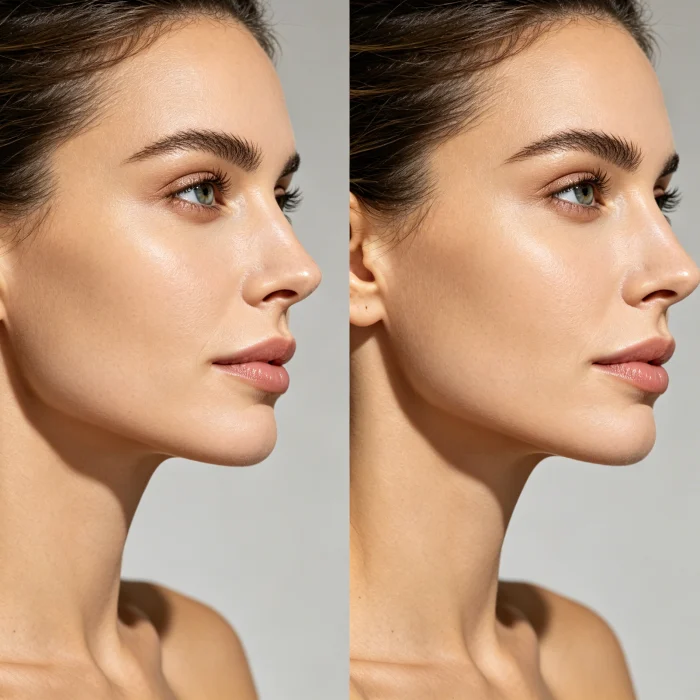
Here’s where marketing gets confusing. Some clinics claim HIFU “melts” fat — but that’s not quite accurate. The heat doesn’t liquefy fat cells like a laser would. Instead, it damages them, triggering apoptosis (programmed cell death). Your body then naturally processes and removes those dead cells via the lymphatic system. That’s why results take weeks to appear — your body needs time to flush out the debris.
But here’s the thing: HIFU is not great for large fat deposits. If you have a round face due to larger buccal fat pads, HIFU won’t slim it much. It’s better suited for the submental area and jowls. Also, if you’re already lean with thin skin, HIFU might actually make your face look gaunt because it reduces fat that you need for a youthful fullness. That’s a mistake I’ve seen beginners make — they go for “slimming” and end up looking hollow.
Who Should NOT Get HIFU for Face Slimming?
HIFU isn’t for everyone. You should avoid it if you have:
- Active acne or skin infections in the treatment area
- Pregnancy or breastfeeding
- Metal implants or pacemakers
- Very thin skin or severe facial fat loss (HIFU could worsen hollowness)
- Recent (within 6 months) facial fillers or threads — the heat can interfere
If you’re unsure, a consultation with a dermatologist is a must. Also, if you’re looking for non-invasive skin tightening without fat loss, LED light therapy is a gentler option that won’t affect fat at all.
HIFU vs Other Non-Surgical Slimming Treatments
How does HIFU compare to alternatives like RF (radiofrequency) or cryolipolysis (fat freezing)? RF heats the dermis and stimulates collagen, but it doesn’t target fat as precisely as HIFU. Cryolipolysis is great for larger fat pockets (like belly or thighs) but requires a bulky applicator and isn’t ideal for the small area of the chin. For at-home maintenance, some devices combine microcurrent and LED — but these won’t give you the same depth of fat reduction as clinical HIFU.
If you’re torn between devices, the Konmison vs Naborui comparison might help you decide. For a deeper dive into skin tightening science, read our review of red light therapy for wrinkles.

How Many Sessions Do You Need for Visible Slimming?
Most people need 1-2 sessions for the face, spaced 3-6 months apart. For the submental area, 2-3 sessions are common. Each session takes about 30-60 minutes, depending on the size of the area. The cost ranges from $500 to $2,000 per session in clinics, while at-home devices can cost $200-$800 but deliver lower energy levels — enough for maintenance but not for significant fat reduction.
At-home HIFU devices, like those sold on Amazon, are generally much weaker than clinical machines. They may tighten skin mildly but won’t slim your face noticeably. If you’re considering an at-home option, manage expectations: think of them as a supplement to professional treatments, not a replacement.
Does HIFU Tighten Skin or Just Slim?
Both. The tightening effect is actually more predictable than the slimming effect. HIFU’s ability to contract the SMAS layer results in an immediate (though subtle) lift, and the subsequent collagen production continues to tighten skin for months. In fact, many patients report that their skin feels noticeably firmer even if they don’t see dramatic slimming. So if your main goal is a lift rather than fat reduction, HIFU is an excellent choice.
But remember — if you have significant skin laxity (think crepey skin or deep jowls), HIFU alone may not be enough. You might need a combination approach, like microneedling or even surgical options. Find out if microneedling is right for your age and skin type.
Final Verdict: Is HIFU Worth It for Face Slimming?
HIFU can slim your face — mildly but noticeably — especially if you have a small amount of fat under your chin or mild jowls. It’s a solid non-surgical option for contouring and lifting, with the bonus of skin tightening. But it’s not a miracle worker. If you’re looking for a dramatic change, consider a surgical procedure instead. For those who want a subtle, natural-looking improvement with zero downtime, HIFU is worth the investment.
Before you commit, check out our expert guide to facials for aging skin for a broader perspective on what treatments can do for you. And if you’re curious about combining HIFU with other modalities, the AllureCircle community has plenty of real-user threads discussing exactly that.
Frequently Asked Questions
Does HIFU melt face fat permanently?
No, it’s not permanent. HIFU damages fat cells, which your body clears over 8-12 weeks, but if you gain weight, new fat cells can develop. Results typically last 12-18 months, and maintenance sessions help prolong the effect.
Does HIFU work on a double chin?
Yes, especially for mild to moderate submental fat. Clinical studies show an average reduction of 2-3 mm. For best results, combine with a healthy diet and exercise to prevent fat from returning.
Is HIFU safe for all skin types?
HIFU is generally safe for all skin types, but people with very thin skin or those prone to keloids should be cautious. Darker skin tones are at low risk of hyperpigmentation when using proper settings, but always choose an experienced provider.
Does HIFU hurt?
Most people describe it as a warm pricking sensation. The higher the energy, the more discomfort. Some areas (like the jawbone) are more sensitive. A topical numbing cream can help. Pain is usually tolerable and subsides quickly after treatment.
How long after HIFU will I see results?
You’ll notice some immediate tightening, but the best results appear around 8-12 weeks post-treatment. Full collagen remodeling can take up to 6 months. Be patient — the slimming effect is gradual.
Can HIFU make my face look thinner?
Yes, but subtly. HIFU can create a more defined jawline and reduce fullness under the chin, giving the appearance of a slimmer face. It won’t change your bone structure or significantly reduce large buccal fat pads.
In my practice, I tell patients that HIFU is an excellent option for someone who wants a subtle lift and mild contouring without going under the knife. The key is realistic expectations — it’s not a facelift, but it can take 5-10 years off your appearance. I’ve seen the best results in patients in their 30s to 50s with mild to moderate skin laxity. If you have significant fat or sagging, you might need a combination of HIFU with other treatments like RF microneedling or even a mini facelift. Always consult a board-certified dermatologist before starting.
All Comments 0
Please log in to post a comment.
No comments yet. Be the first to share your thoughts!