
Most dermatologists recommend using a facial cleansing brush 2-3 times per week for normal skin, but your ideal frequency depends on your skin type and the brush’s bristle stiffness. A 2020 survey by the American Academy of Dermatology found that over-exfoliation is one of the top causes of contact dermatitis in women aged 20-40. Start slow, listen to your skin, and adjust from there.
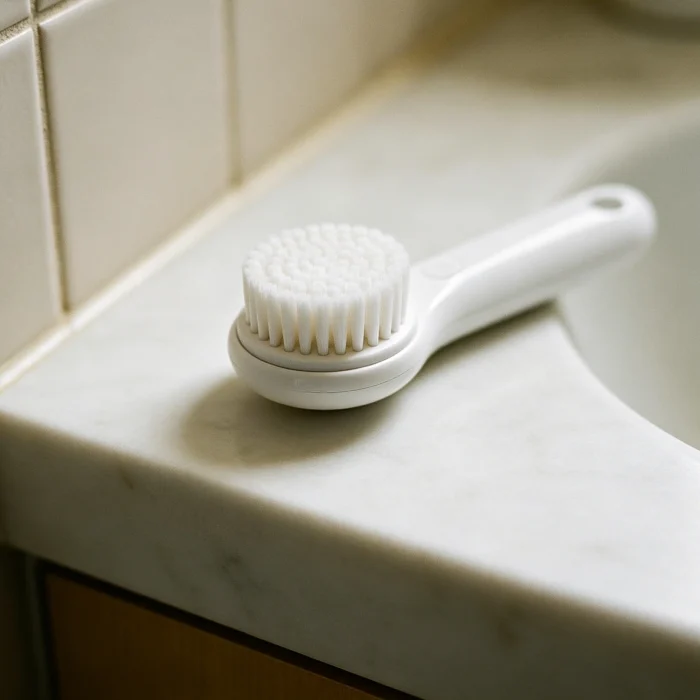
Whether you own a silicone brush like the PMD Clean or a rotating brush like the Clarisonic Mia Prima, the golden rule is the same: less is more until you know how your skin reacts. I’ve seen too many friends dive into daily use and end up with red, stinging faces a week later. That’s not the glow you’re after.
Why Frequency Varies by Skin Type
Your skin type is the biggest factor in determining how often to use a face brush. Oily skin can handle more frequent exfoliation, while dry or sensitive skin needs a gentler touch. Here’s a rough breakdown based on common dermatologist guidelines:
| Skin Type | Recommended Frequency | Notes |
|---|---|---|
| Normal / Combination | 2-3 times per week | Use gentle circular motions, avoid scrubbing |
| Oily / Acne-prone | 3-4 times per week | Can help unclog pores, but don’t overdo it on active breakouts |
| Dry / Sensitive | 1-2 times per week | Use a soft brush head or silicone, limit pressure |
| Eczema / Rosacea | Avoid or consult a dermatologist | Mechanical exfoliation can flare these conditions |
Your skin changes with seasons, hormones, and products. What works in summer might be too harsh in winter. Keep a simple journal for the first month — note how your skin feels 24 hours after each use. That feedback is priceless.
How Often Can I Use a Silicone Face Brush?
Silicone brushes (like the FOREO Luna or PMD Clean) are gentler than nylon-bristle brushes because they don’t absorb bacteria and have softer, non-porous surfaces. Many people can use them daily, especially if you have oily skin. But daily use isn’t necessary for everyone.
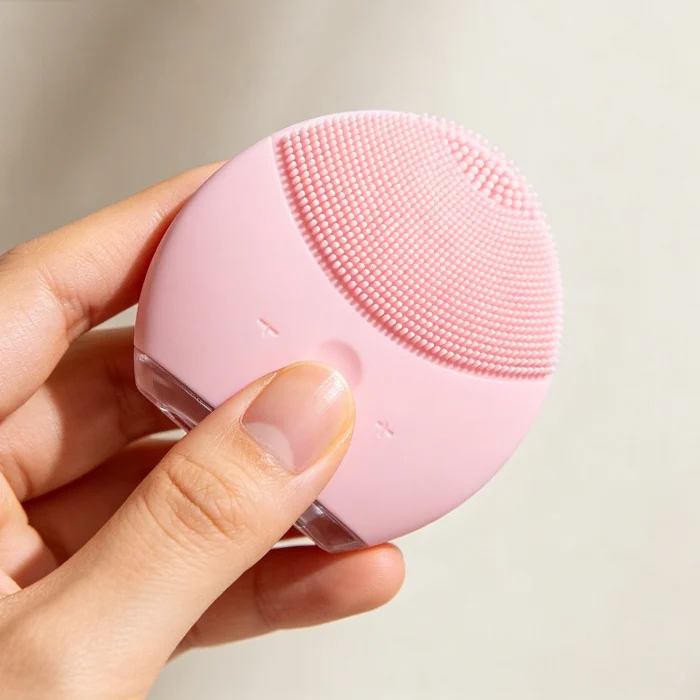
If you have normal to dry skin, 2-3 times a week with a silicone brush is plenty. The sonic vibrations help loosen dirt and oil without the abrasion of bristles. One reader on the AllureCircle community mentioned she uses her silicone brush every other day and saw her pores look smaller within a month. But she also warned that using it twice a day caused redness — so even gentle tools need moderation.
Signs You’re Overusing Your Face Brush
Your skin will tell you when it’s had enough. Look out for these red flags: persistent redness, stinging when applying moisturizer, flaky patches, or breakouts in areas you don’t normally break out. Yes, over-exfoliation can actually cause acne by stripping the skin barrier.
I once ignored these signs and kept using my brush daily because I thought “more is better.” Bad move. My skin got so irritated that even water hurt. It took two weeks of zero exfoliation and a barrier repair cream to get back to normal. Learn from my mistake.

If you notice any of these, stop using the brush for a full week. Then restart at half your previous frequency. You might also want to check out the Face Cleaning Brush Side Effects guide on AllureCircle for more recovery tips.
How to Use a Facial Cleansing Brush Correctly
Using a brush isn’t rocket science, but technique matters. Start with damp skin and apply a gentle cleanser (avoid gritty scrubs — you’re already exfoliating). Move the brush in small, circular motions for about 30-60 seconds total. Don’t press hard — let the brush do the work. Focus on areas where you get the most oil or congestion: your nose, chin, and forehead.

Rinse thoroughly and pat dry. Follow with a soothing moisturizer. If you’re new to brushes, the Complete Beginner’s Guide on AllureCircle walks you through every step with photos.
Choosing the Right Brush and Brush Head
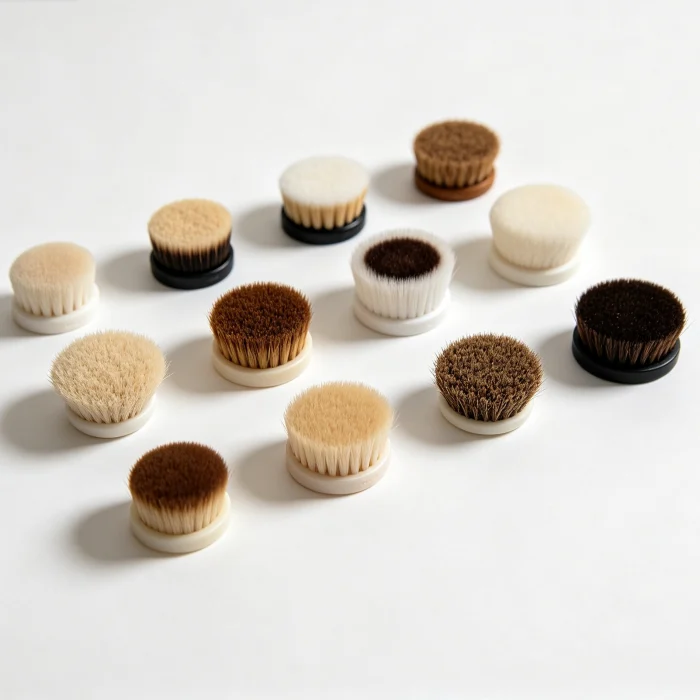
Not all brushes are created equal. The type of brush you own affects how often you can use it. For example, a rotating brush with stiff nylon bristles (like older Clarisonic models) is more aggressive than a silicone sonic brush. If you have sensitive skin, consider a brush with a soft brush head or switch to a silicone model entirely. The Different Types of Face Cleaning Brushes page breaks down the options.
Replace brush heads every 3-4 months — worn bristles can harbor bacteria and become less effective. And always clean your brush after each use. The Clean Your Face Brush guide has easy steps.
Frequently Asked Questions
How often should I use my face brush if I have acne?
If you have active inflammatory acne (red, painful pimples), stick to 2-3 times a week maximum, and avoid using the brush directly on active lesions. Over-exfoliating can spread bacteria and worsen breakouts.
Can I use a face brush every day?
For most people, daily use is too much. Even with a gentle silicone brush, daily use can lead to irritation over time. Listen to your skin — if it feels tight or looks red, cut back.
How often should I use a silicone face brush?
Silicone brushes are gentler, so you might be able to use them 3-4 times a week, or even daily if you have oily skin. But start with 2-3 times weekly and see how your skin responds.
Is it good to use a facial cleansing brush?
Yes, for most skin types, a facial cleansing brush can provide a deeper clean and improve texture. However, they’re not necessary for everyone, and improper use can cause irritation. Choose a brush suited to your skin type and don’t overdo it.
How often should I use an electric face brush?
Electric face brushes vary in intensity. For a rotating brush, stick to 2-3 times a week. For a sonic brush, you may be able to go up to 3-4 times. Always consult the manufacturer’s recommendations and your skin’s reaction.
How long does it take to see results from a facial cleansing brush?
Many people notice smoother skin and fewer clogged pores within 2-4 weeks of consistent use (2-3 times weekly). However, results vary — give it at least a month before deciding if it’s working for you.
Can a facial cleansing brush make my skin worse?
Yes, if overused or used with too much pressure. Over-exfoliation can damage the skin barrier, leading to redness, peeling, and breakouts. Always start low and go slow.
“Facial cleansing brushes are a fantastic tool for gentle exfoliation, but they’re not a daily necessity for most people. I recommend my patients use them 2-3 times per week, always with a mild cleanser and light pressure. The goal is to remove dead skin cells and excess oil without stripping the barrier. If you notice any stinging or prolonged redness, take a break and let your skin recover. And please — clean your brush head regularly. I’ve seen more infections from dirty brushes than from overuse.”
All Comments 0
Please log in to post a comment.
No comments yet. Be the first to share your thoughts!