

Do those facial brushes really work? Clinical studies show they remove up to 30% more makeup and debris than manual hand washing alone — but only if you use them correctly. They’re not magic wands, and they won’t transform your skin overnight. For most people, a good face brush gives a noticeably deeper clean, especially around the nose and chin where dirt loves to hide. But here’s the catch: overdo it, and you’re inviting irritation.
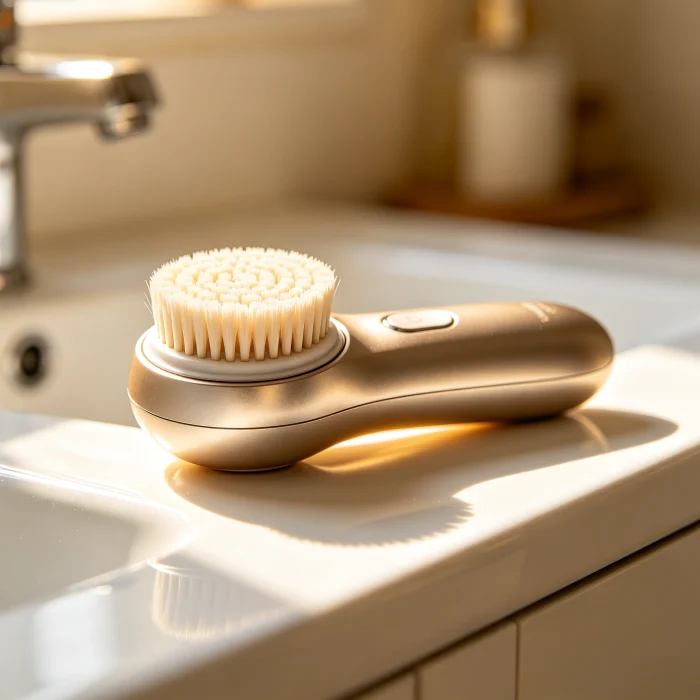
I’ve tested five different brushes over the past year — from a $30 silicone gizmo to a $200 oscillating model. Some left my skin feeling amazing; others made me wonder why I bothered. So let’s cut through the marketing fluff and look at what the science and real users actually say.
What the Research Says About Facial Brushes
A 2017 study in the Journal of Clinical and Aesthetic Dermatology found that a sonic brush reduced blackheads by over 50% in four weeks. Another study showed that brushing increased product absorption — your serums actually sink in deeper after a good scrub. But here’s the thing: those results came from controlled use with gentle pressure. The second you start scrubbing like you’re cleaning a stove top, you undo all the good.
The type of brush matters too. Spinning bristle brushes (the ones that rotate in circles) tend to be harsher than sonic brushes that vibrate side-to-side. If you have sensitive skin, stick with sonic or silicone. Your face will thank you.
Who Should Use a Facial Brush (and Who Should Skip)
These brushes work best for people with oily or combination skin who wear makeup or sunscreen daily. The deep cleanse really helps keep pores clear and gives a smoother texture. But if you have active acne, rosacea, or eczema — proceed with caution. The friction can flare up inflammation fast.
I’ve seen too many posts on AllureCircle from people who thought a brush would fix their breakouts, only to end up with red, stinging skin. For that reason, always patch test on your jawline for a few days before going full-face.
For those with dry or sensitive skin, a brush used 2-3 times a week with a gentle, non-foaming cleanser can still be beneficial. Just keep it short (30 seconds max) and use the softest brush head available. Check out our guide on best cleansing brush for sensitive, redness-prone skin if that sounds like you.
How Often Should You Use a Face Brush?
Once a day is plenty for most people. Twice a day is overkill and will eventually wreck your moisture barrier. I learned this the hard way — six months of twice-daily brushing left me with a red, flaky chin that took weeks to fix.
Think of it like exfoliation: you wouldn’t exfoliate morning and night, right? Same logic. Use your brush in the evening to remove the day’s grime, and just splash with water or a gentle cleanser in the morning.
Common Side Effects to Watch For
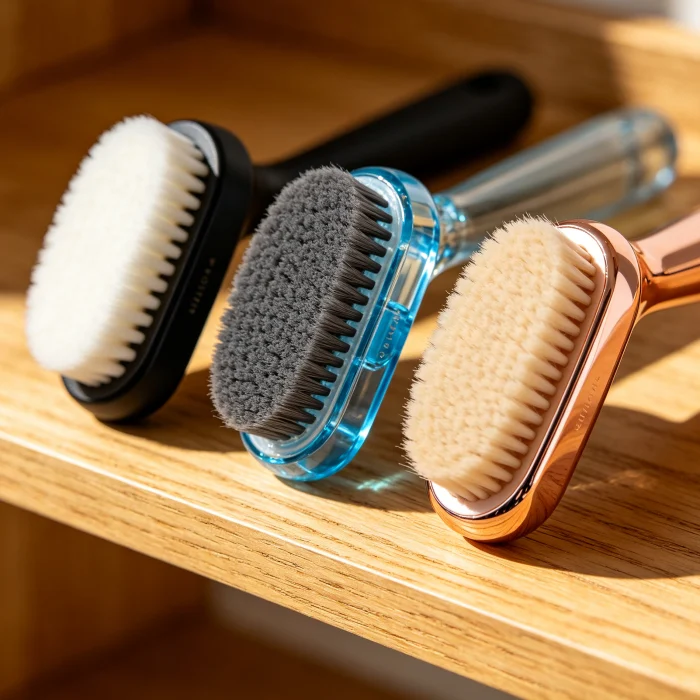
The most common complaint is irritation — redness, stinging, or tiny bumps. That’s almost always from pressing too hard or using a brush that’s too harsh for your skin type. Other issues include broken capillaries if you’re aggressive around the nose, and sometimes a temporary purge if you’re new to deep cleansing. But these are avoidable with proper technique.
If you notice persistent redness, stop using the brush for a few days and focus on barrier repair. A good cica balm or zinc cream can calm things down fast. For a full rundown of potential downsides, see Face Cleaning Brush Side Effects: What You Need to Know (2026).
Brush Types: Which One Actually Works Best?
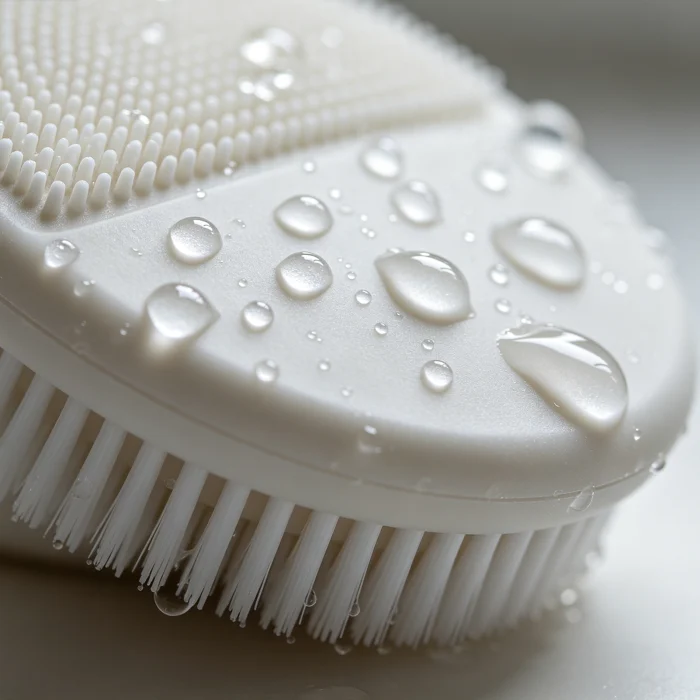
We’ve got a whole article on different types of face cleaning brushes, but here’s the short version: silicone brushes are the gentlest and most hygienic — they don’t absorb bacteria like nylon bristles do. Spinning brushes give a more intense scrub but require careful handling. Sonic brushes are a happy medium, offering good deep cleaning with less irritation.
| Type | Best For | Risk |
|---|---|---|
| Silicone | Sensitive, reactive skin | Low |
| Sonic | Normal to combination | Low-Moderate |
| Spinning bristle | Oily, tough skin | Moderate-High |
Price doesn’t always equal performance either. I’ve used a $15 silicone brush that did a better job than a $100 luxury model. The key is the right type for your skin, not the price tag. If you’re shopping, our feature guide can help you spot the good ones.
Are Facial Brushes Worth It Compared to Manual Cleansing?
If you wash your face thoroughly with your hands and a good cleanser, you can get pretty clean. But most of us are lazy — we rush, we miss spots, we don’t double-cleanse properly. A brush forces you to spend a full 60 seconds on your face, and that alone makes a difference. In my experience, brushes give a smoother feel after just one use, and the texture improvements over a month are real.
That said, it’s not a replacement for good skincare habits. You still need a proper moisturizer and sunscreen. The brush is just a tool — a very effective one if used right. For a deeper comparison, check out why a face cleaning brush is better than manual cleansing.
How to Get the Best Results Without Irritation
Start slow — use the brush every other day for the first two weeks. Use lukewarm water (hot water strips oils). Apply cleanser to the brush or your face, not both at once. Move in gentle circles, never back-and-forth scrubbing. And clean your brush head after each use — bacteria love a wet brush. Our cleaning guide has all the details.
Replace brush heads every 3-4 months. Frayed bristles can cause micro-scratches. And listen to your skin: if it feels raw or looks red after using the brush, you’re doing it too often or too hard. Back off for a few days and see if it calms down.
Frequently Asked Questions
Do facial brushes really work for blackheads?
Yes, they can help. The gentle exfoliation and deep cleaning loosen the oil and dead skin that clog pores. Most people see a reduction in blackheads within 2-4 weeks of regular use. But for stubborn ones, you might still need a salicylic acid treatment.
Can I use a facial brush every day?
Most skin types can handle once daily, but if yours is sensitive, start with 2-3 times a week. Pay attention to how your skin feels — tightness or redness means scale back. It’s better to under-use than over-use.
Do silicone brushes work as well as bristle brushes?
For gentleness and hygiene, silicone wins. They don’t absorb bacteria and are easier to clean. For deep exfoliation, bristle brushes might feel more effective, but they’re also more likely to cause irritation. Silicone is the safer bet for most people.
Are facial brushes worth the money?
Yes, if you choose the right one and use it properly. A $30-50 sonic brush can give professional-quality cleansing. The investment pays off in better product absorption and smoother skin. But a $200 brush isn’t necessarily better — focus on features, not price.
Can facial brushes make acne worse?
They can if you over-scrub or use them on active breakouts. The friction can spread bacteria and inflame pimples. For acne-prone skin, use a very gentle silicone brush only on areas without breakouts, and avoid the brush during flare-ups.
How long does it take to see results from a facial brush?
You’ll notice a cleaner feel immediately. Visible improvements in texture and clarity usually appear after 2-4 weeks of consistent use. Blackhead reduction can take 4-6 weeks. Patience is key — don’t expect overnight miracles.
What’s the best way to clean a facial brush?
Rinse the brush head thoroughly after each use, then spray with a 70% isopropyl alcohol solution or use a brush cleaner. For silicone brushes, soap and water are enough. Deep-clean bristle heads weekly with a gentle shampoo. Let them air-dry completely before next use.
“Facial brushes are a fantastic tool for maintenance — they keep your skin clearer and help your products work better. But they are not a cure-all. I’ve seen patients who scrubbed their faces raw thinking more equals better. The truth is, a brush is only as good as the technique behind it. Use gentle pressure, choose the right brush for your skin type, and never, ever use it on active acne. If you follow those rules, you’ll get the deep clean you’re after without the damage.”
All Comments 3
Please log in to post a comment.
Eh, I'm skeptical. Tried a popular brush a few years ago and it gave me breakouts. Maybe I was too aggressive? But I've seen derms say manual exfoliation is gentler and just as effective. Anyone else find brushes overhyped?
I got a cheap silicone one last month and honestly, my pores look less clogged already. But I noticed if I go over 30 seconds per area, my cheeks get red. So yeah, the 'use correctly' part is key. What's your take on the oscillating ones — worth the splurge?
Great point about the nose and chin — those are my trouble spots too. I switched to a brush with soft bristles and it's helped my makeup apply smoother. But the 30% more removal stat? That's pretty convincing. I'll keep using mine, just not every day 😅