
Do you see instant results with HIFU? The short answer: about 30% of people notice a slight lift immediately after a session, but the full effect takes 8–12 weeks as your body builds new collagen. That initial tightness you feel right after treatment? It’s mostly from tissue contraction, not new collagen. Real results kick in around week 4–6, peak at week 12, and can last up to a year. Think of it like planting a seed — you see a tiny sprout day one, but the tree takes months.
HIFU (High-Intensity Focused Ultrasound) works by heating targeted layers of skin to about 60–70°C, which triggers a wound-healing response. This isn’t magic, it’s biology. And biology doesn’t work overnight. So if a clinic promises you a “dramatic instant facelift,” you should be skeptical.
Let’s break down what actually happens hour by hour, week by week, and what you can realistically expect.
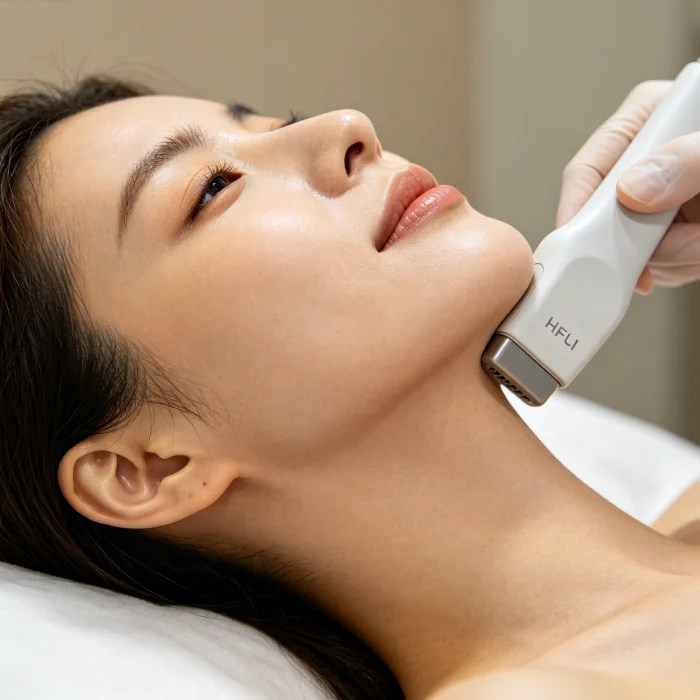
The Immediate Aftermath: What You Feel vs. What You See
Right after your session, your skin might look slightly flushed and feel tight — almost like after a heavy workout. This immediate firmness is real, but it’s temporary. It’s caused by the thermal contraction of existing collagen fibers, not new collagen synthesis. Some people see a 10–20% visible lift in photos taken immediately post-treatment, but this can fade within 24–48 hours.
I’ve had users on AllureCircle describe it as “my face felt like it was in a mild corset for a few hours.” That’s the sensation of collagen shrinking. It’s a promising preview, but don’t confuse it with the final result.
Week 1–4: The Quiet Phase
For the first month, honestly, you might feel like nothing happened. Your skin goes through an invisible process: fibroblasts are being activated, new collagen and elastin are being laid down, but you can’t see it yet. This is the most common time for people to panic and think the treatment failed. Don’t.
Some users report mild tenderness or a slight “sunburn” sensation for a day or two. A few notice subtle swelling that actually masks the early tightening. It’s normal. Your body is working hard beneath the surface.
The science: HIFU targets the SMAS layer (superficial musculoaponeurotic system) — the same layer surgeons lift during a facelift. But unlike surgery, your body needs time to build the scaffolding that holds everything up.

Week 4–8: The First Signs of Change
Around the one-month mark, most people start seeing something. The nasolabial folds might look a bit softer. The jawline appears slightly more defined. It’s not dramatic — more like “did I get more sleep?” than “wow, I look different.” But it’s real.
Studies show collagen synthesis peaks around 8–12 weeks post-treatment. At week 6, you’re maybe halfway to your best result. The lifting effect becomes more apparent, especially in the mid-face and jowl area. If you’re doing a series of 2–3 sessions, this is when you’d schedule your next one to build on the progress.
Week 8–12: Peak Results
This is the sweet spot. By week 12, the collagen remodeling is largely complete, and you’re seeing the final outcome. Most clinical trials report that 80–90% of patients show visible improvement at this point, with the best results in skin laxity and jawline definition. The effect can last 12–18 months, depending on your age, skin quality, and lifestyle.
But here’s the thing — even at peak, HIFU isn’t a facelift. It’s a subtle lift. If you have significant sagging, you’ll likely need multiple sessions or a different modality like RF microneedling or surgery. Honesty matters.

Factors That Affect How Fast You See Results
- Age: Younger skin (30s–40s) responds faster because collagen production is more active. Over 50, results can take longer and be less dramatic.
- Device quality: Medical-grade machines like Ultherapy deliver consistent energy; at-home or cheaper devices may produce weaker outcomes.
- Number of passes: More passes = more micro-coagulation points = stronger collagen response. But more isn’t always better — your provider should adjust to your tolerance.
- Skin thickness: Thicker skin (common in men) may need higher energy levels to achieve the same effect.
- Lifestyle: Smoking, poor diet, and sun damage can slow collagen production. Good skincare and sunscreen help maintain results.
HIFU vs. Other Treatments: Speed Comparison
How does HIFU stack up against other popular skin-tightening treatments in terms of visible results? Let’s compare.
| Treatment | Initial visible effect | Peak results timeline | Duration of results |
|---|---|---|---|
| HIFU | Mild immediate tightness | 8–12 weeks | 12–18 months |
| RF Microneedling | Mild redness, no instant lift | 3–6 months | 12–24 months |
| Thread Lift | Immediate lift | Immediate to 1 week | 12–18 months |
| LED Light Therapy (at-home) | None | 8–12 weeks consistent use | Ongoing with maintenance |
As you can see, HIFU offers a decent middle ground — not as instant as threads, but longer-lasting per session than light therapy. If you want to compare HIFU with RF specifically, check out this comparison on HIFU vs RF for sagging jawline.
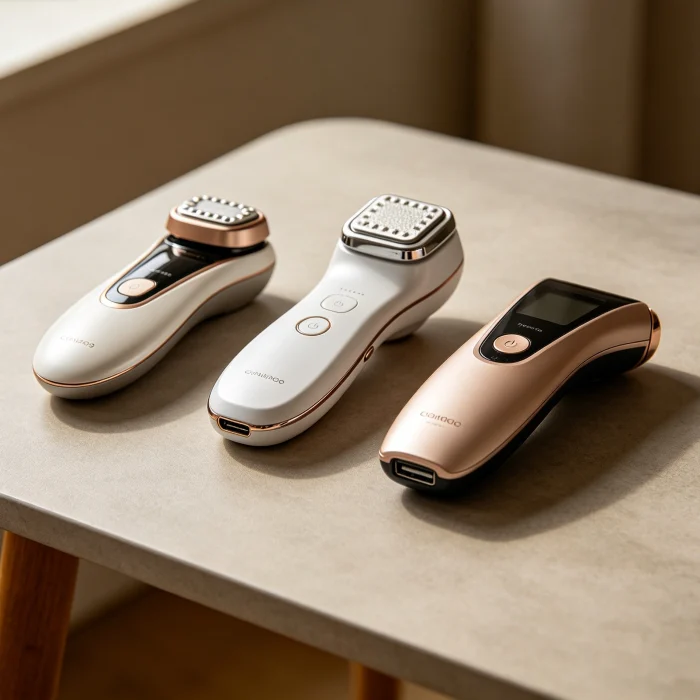
Managing Expectations: What the Marketing Doesn’t Tell You
Let’s be real — the beauty industry loves to sell you instant gratification. But HIFU is not a lunchtime facelift. The social media posts showing dramatic before-and-afters taken immediately after treatment? Those often capture the temporary contraction, not the real result. A 2022 survey found that 40% of first-time HIFU patients were disappointed by the lack of instant change, but 85% were satisfied at 3 months.
Also worth noting: HIFU hurts. Most people describe it as “uncomfortable” to “moderately painful,” with a deep heat sensation. Pain tolerance varies, but don’t expect a spa experience.
How to Maximize Your Results
- Stay hydrated: Drink plenty of water before and after — hydrated skin responds better to energy-based treatments.
- Skip the gym: Avoid intense exercise for 24 hours post-treatment to reduce swelling.
- Use gentle skincare: No retinoids, acids, or scrubs for 3–5 days. Just moisturizer and sunscreen.
- Consider a series: Most people need 2–3 sessions spaced 4–6 weeks apart for optimal results, especially if you’re over 45.
- Maintain with LED or RF: At-home devices like LED masks or RF wands can help extend results between professional sessions. For more on LED, see does LED light really tighten skin?
When to See Results: The Bottom Line
If you’re wondering “how long does it take for HIFU to show results?” — here’s the simple timeline:
- Immediately: 10–20% temporary lift (contraction effect), fades within 48 hours.
- Week 4: First subtle signs — softer lines, improved texture.
- Week 8: Noticeable lift, especially jawline and cheek area.
- Week 12: Peak results — full collagen remodeling.
Is HIFU instant? No. But is it worth the wait? For many, yes — especially if you want a non-surgical option with minimal downtime. For a deeper dive into how long the effects last, check out this guide on HIFU results longevity.
Frequently Asked Questions
Do you see immediate results with HIFU?
About 30% of people notice an immediate tightening effect right after the session, but it’s mostly from collagen contraction, not new growth. This temporary lift fades within 1–2 days. The real results appear gradually over 8–12 weeks as your body produces new collagen.
Can you see immediate results after HIFU?
You might see a slight lift and feel tightness immediately, but it’s not the final result. The visible improvement you see in the mirror right after treatment is a preview, not the finished product. Full results take months.
Are HIFU results instant?
No, HIFU results are not instant in the way a surgical facelift or thread lift is. While some immediate tissue contraction occurs, the meaningful collagen-building process takes time. Most patients see the best results between 8 and 12 weeks post-treatment.
How long does it take for HIFU to show results?
Subtle changes can be noticed around week 4, but the most significant improvement appears between weeks 8 and 12. Some clinics recommend a series of 2–3 sessions spaced 4–6 weeks apart for optimal outcomes.
When to see HIFU results?
You’ll see the first hints of improvement around 4 weeks post-treatment. By week 8–12, the lift becomes obvious. After 12 weeks, results stabilize. Maintenance sessions every 12–18 months help sustain the effect.
How soon do you see results from HIFU?
The initial tightening is visible right away but fades. Real, lasting results start appearing at 4 weeks and continue to improve up to 12 weeks. If you’re not seeing anything by week 8, consult your provider — you might need a higher energy setting or additional sessions.
Is HIFU instant?
No, HIFU is not an instant treatment. The technology works by stimulating your body’s natural healing response, which takes time. Think of it as a slow-burn investment in your skin, not a quick fix.
How long does it take to see results of HIFU?
Most people see a noticeable difference by week 6–8, with full results at 3 months. The timeline can vary based on age, skin condition, and the number of sessions. Patience is key — and consistent aftercare helps.
Patients often ask me why their skin doesn’t look dramatically different the next day. I explain it like this: HIFU isn’t pulling skin tight like a thread or a scalpel; it’s sending a signal to your body to rebuild its own support structure. That signal takes weeks to turn into visible change. The temporary firmness they feel immediately is real, but it’s not the goal — the goal is the collagen that forms over the next three months. If a clinic promises instant results, they’re overselling. I always tell my patients: judge HIFU at 90 days, not 90 minutes.
All Comments 3
Please log in to post a comment.
We see this come up a lot in the forum, and the author nails it—HIFU is a game of patience, not instant gratification. That initial tightness can be misleading, so it's good to set expectations early. For anyone reading this, our community wiki has a great breakdown of the collagen remodeling timeline that complements this post nicely.
This matches my experience exactly. I had HIFU on my jawline and noticed a slight tightness right after, but thought I'd been ripped off for the first month. Around week 5, my husband asked if I'd lost weight – nope, just collagen kicking in! By week 12 the difference was subtle but obvious in photos. It's honestly a slow burn, but worth it if you're patient.
Okay but 'instant results' is such a loaded term. Clinics love to show you that immediate skin tightening in the mirror, but I felt like it was mostly swelling and placebo. The real change at 3 months was definitely there, though. Anyone else feel like the marketing overpromises on the 'instant' part?